Laboratory for geotechnics
A warm welcome to the Geotechnical Engineering Laboratory at the Department of Civil Engineering.
In the Geotechnical Engineering Laboratory, students gain knowledge about the characterization of soils and their mechanical properties. In addition, the laboratory offers students the opportunity to write their theses on innovative topics—such as the application of liquid soil. Modern and versatile laboratory equipment enables practical investigations under realistic conditions. In addition to traditional laboratory tests, equipment is also available for conducting geotechnical field tests.
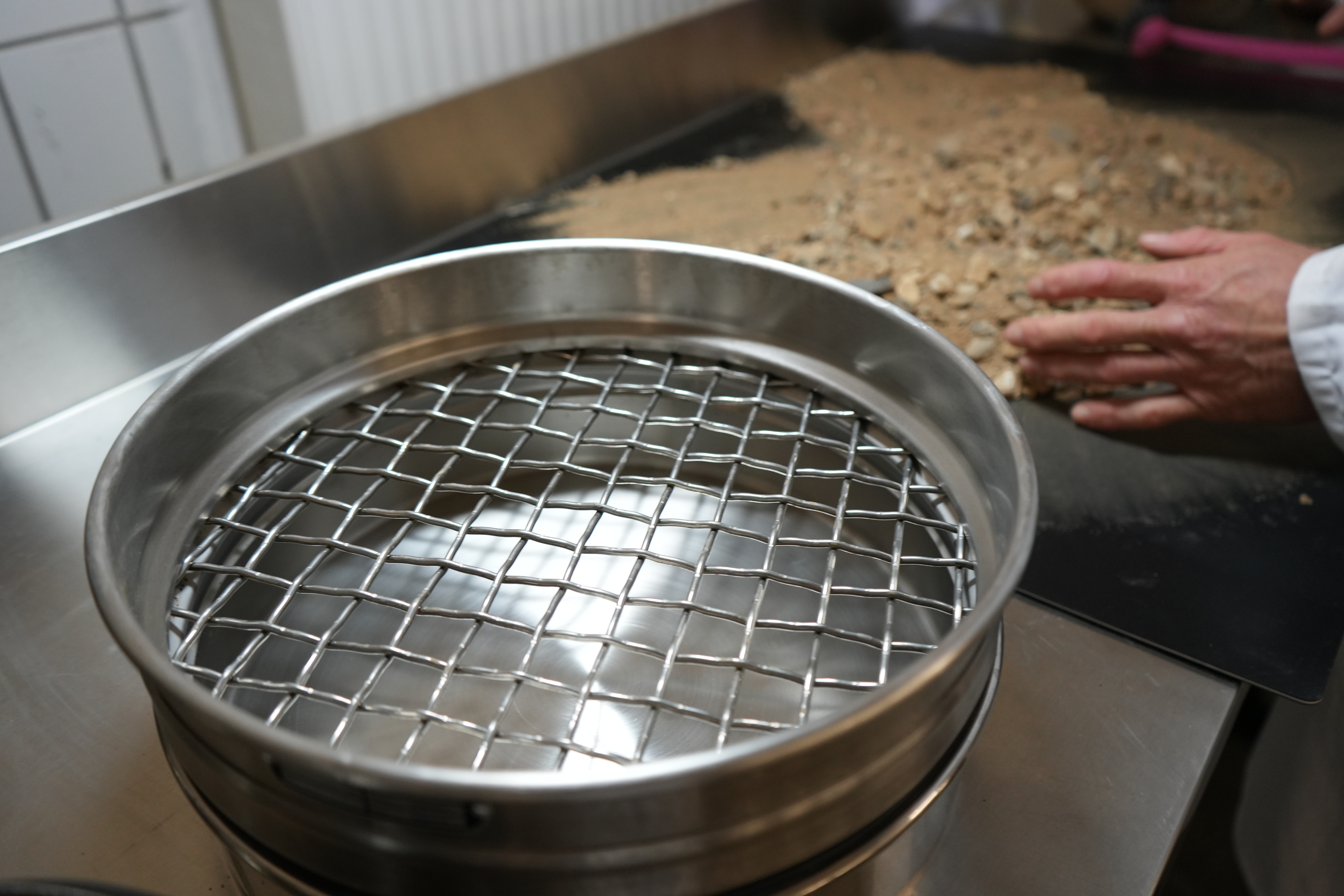
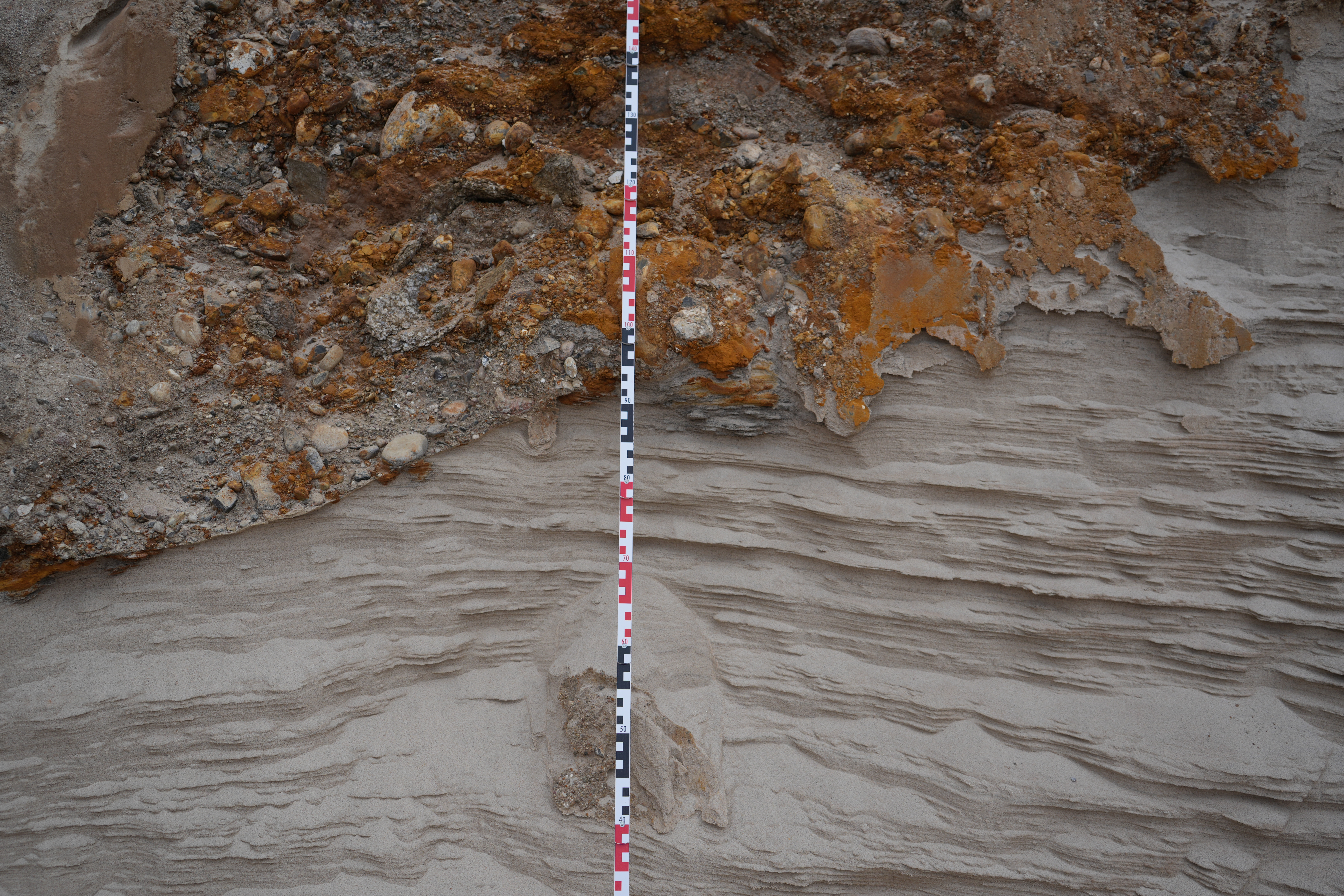
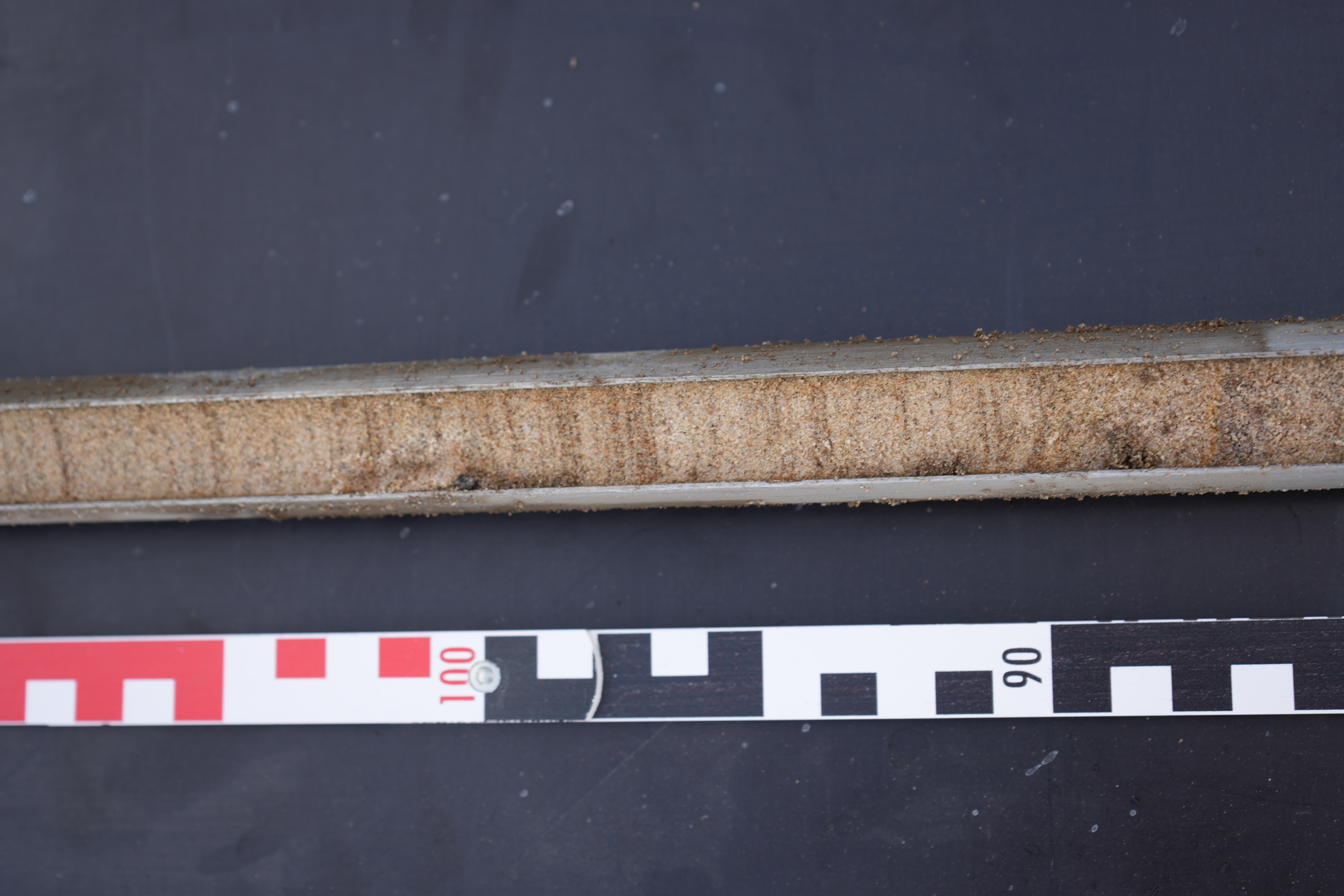
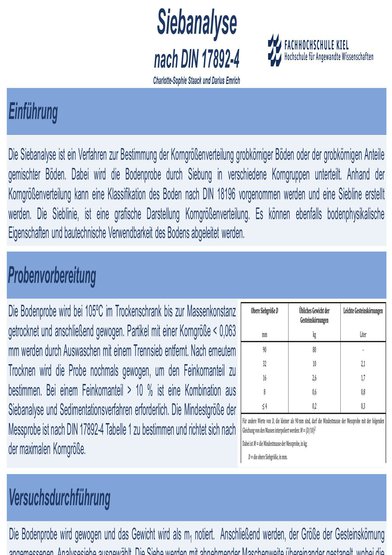
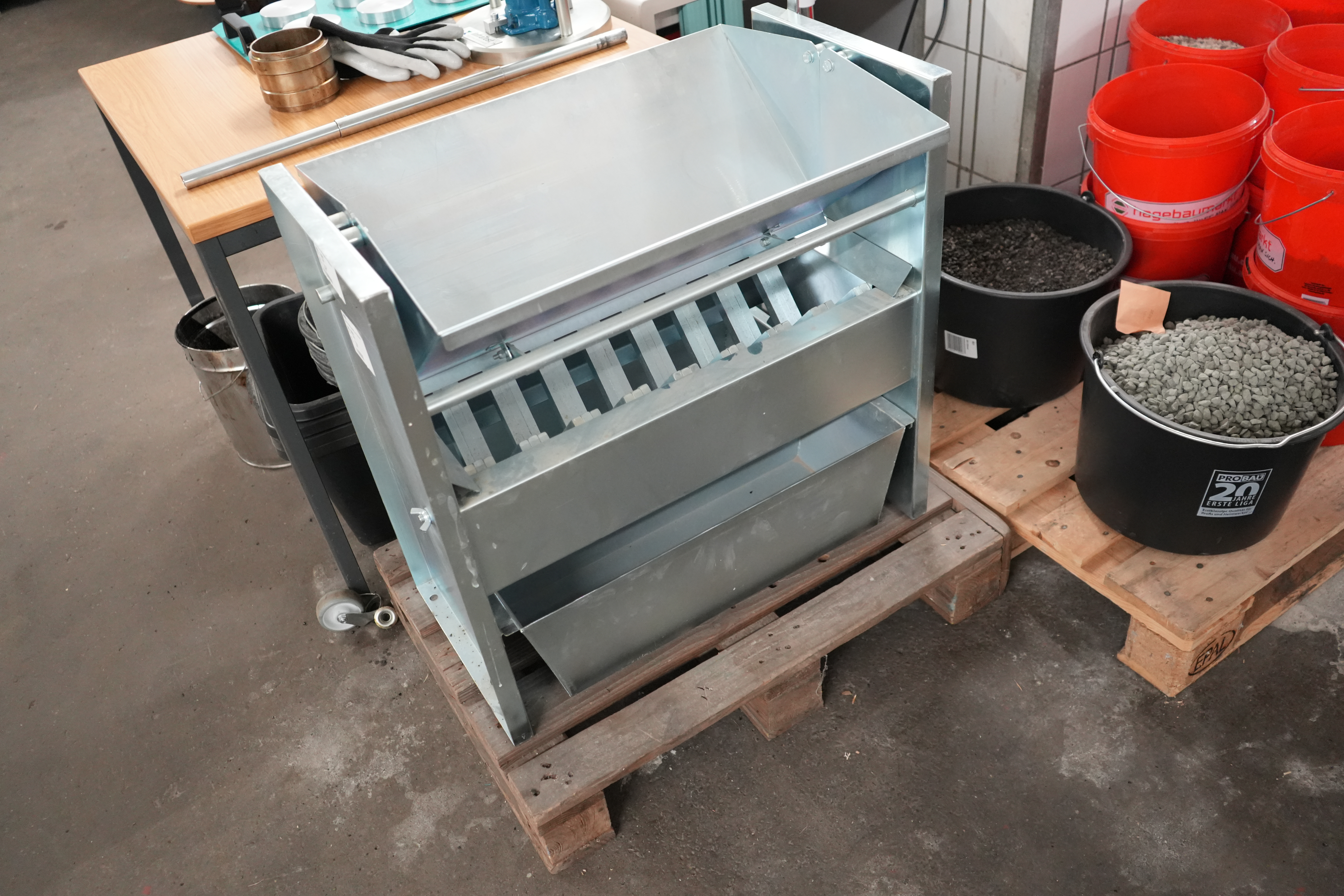
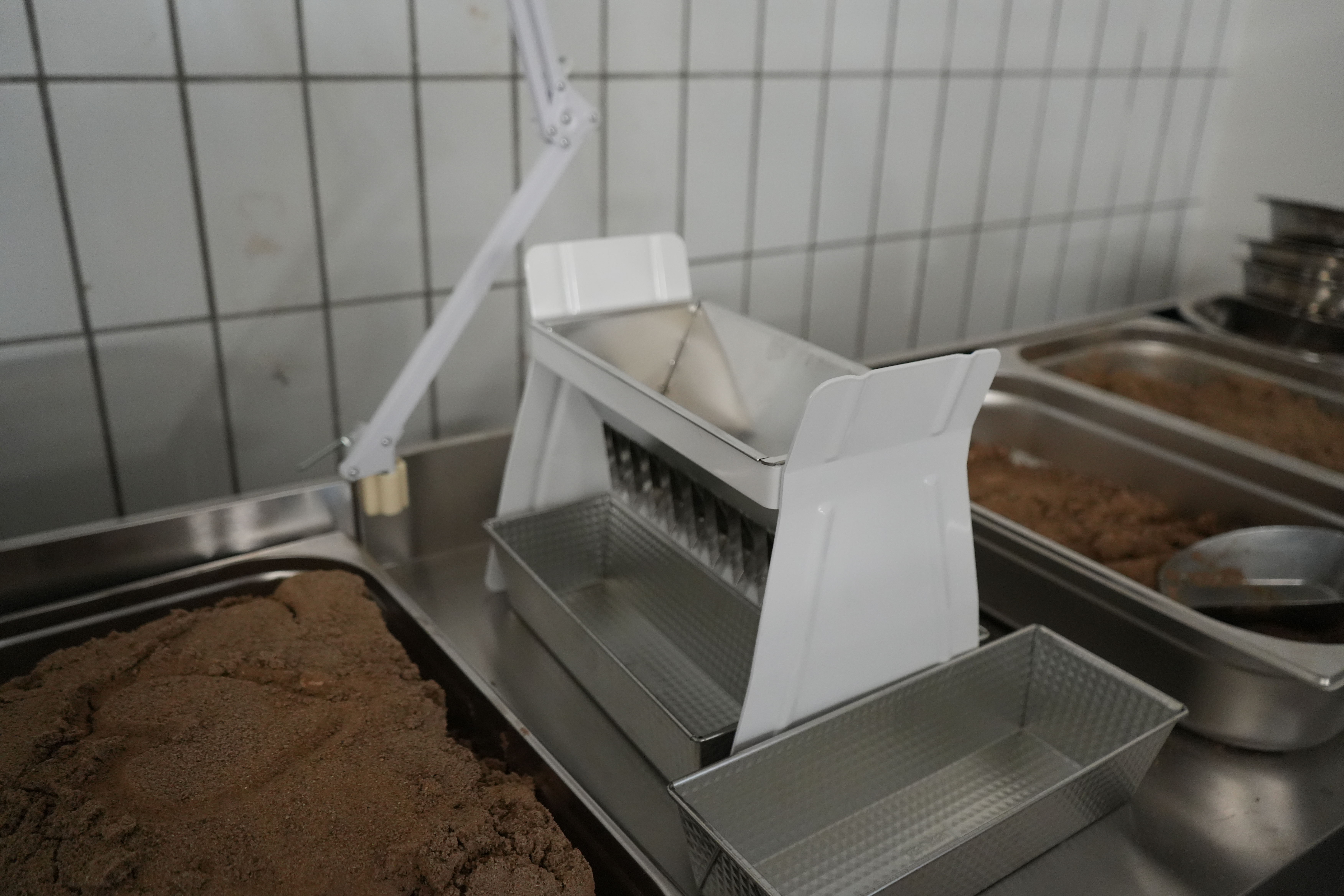
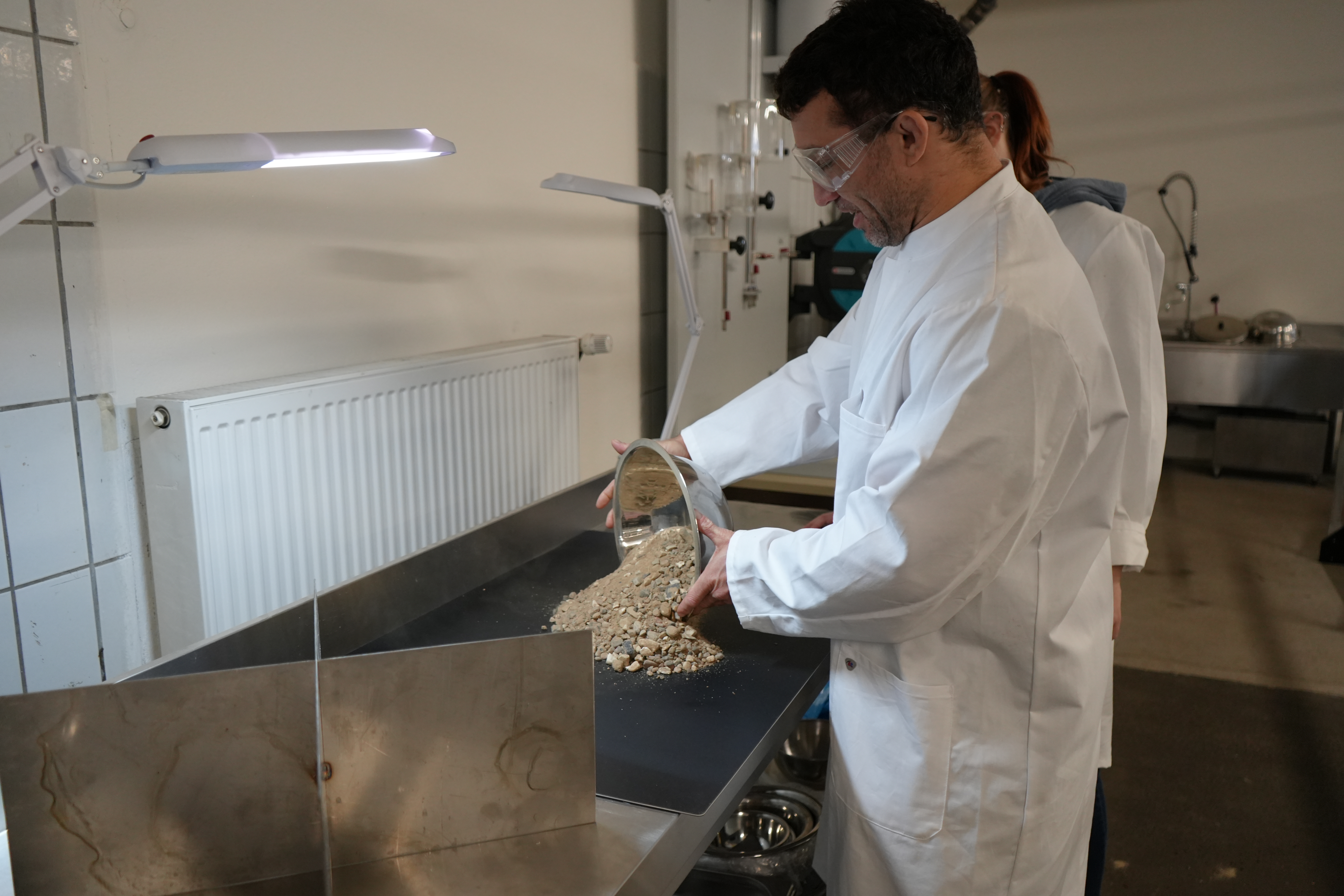
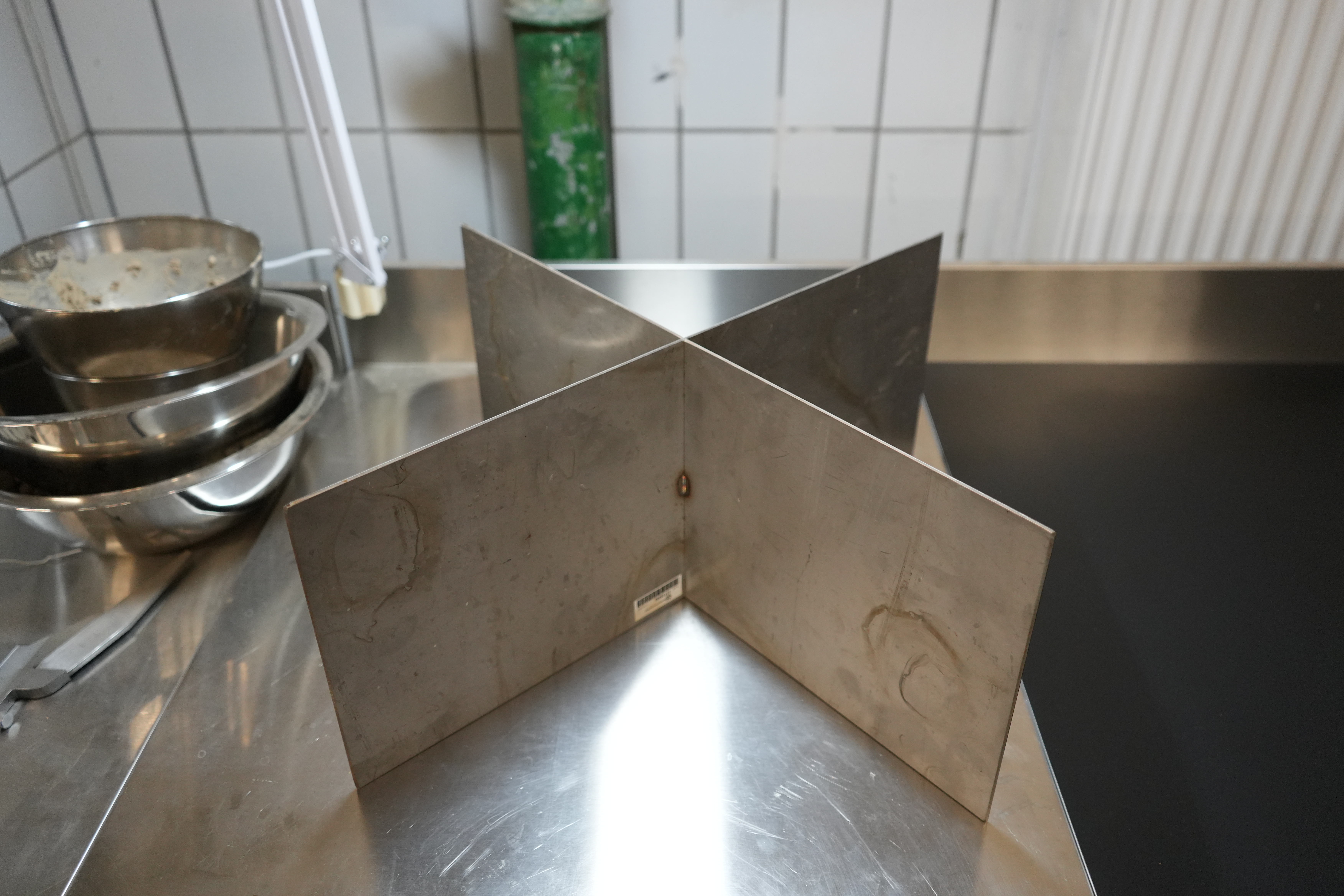
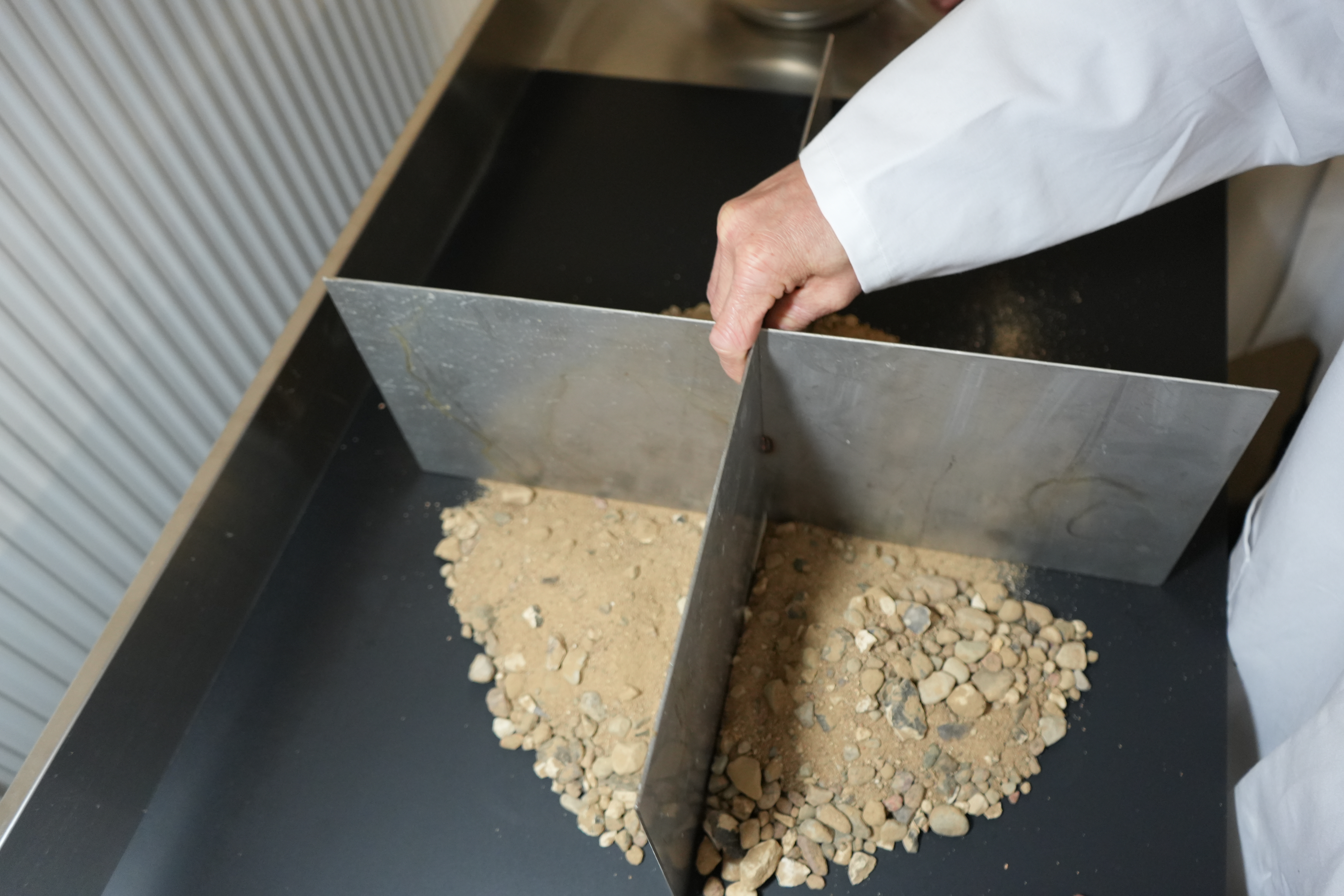
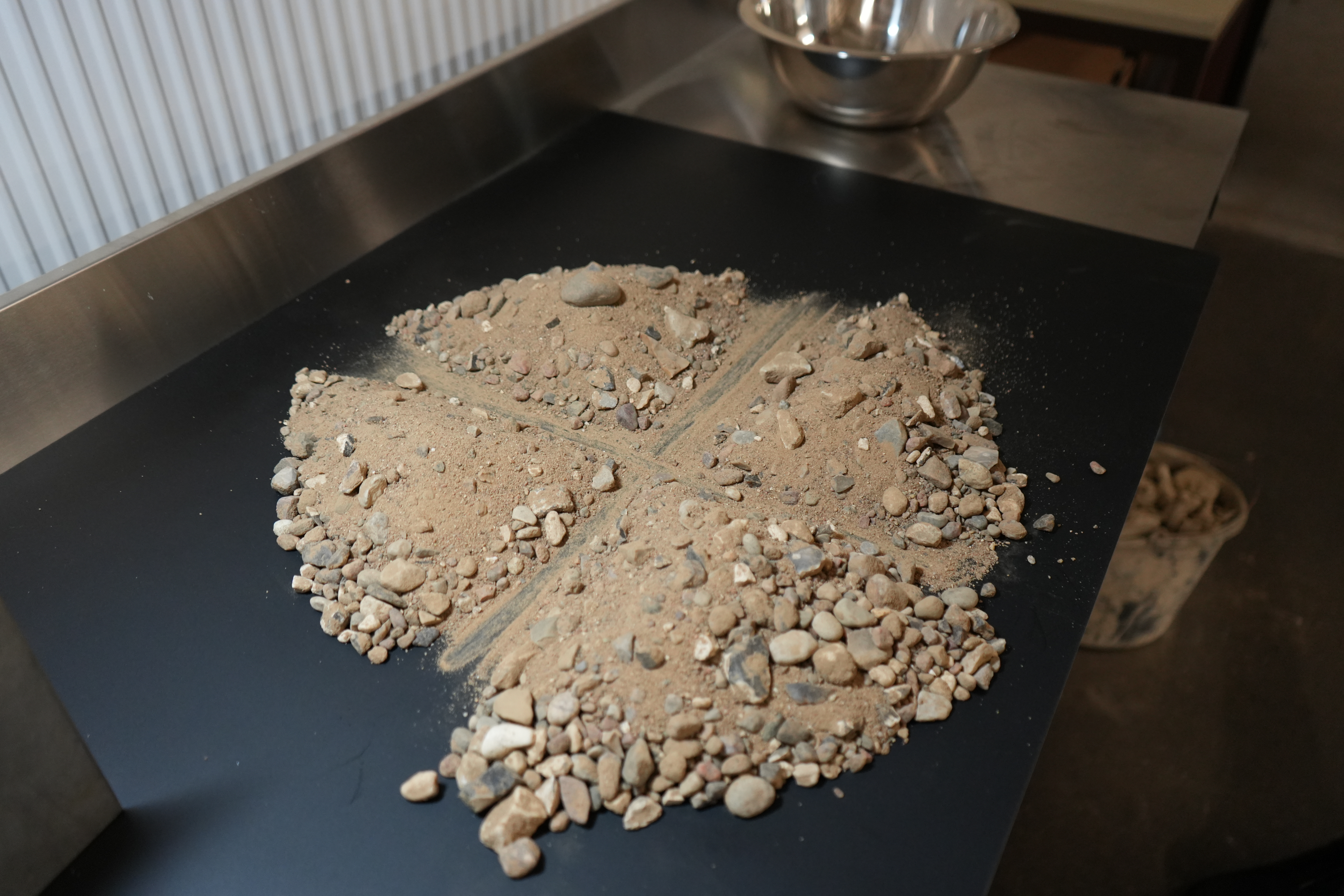
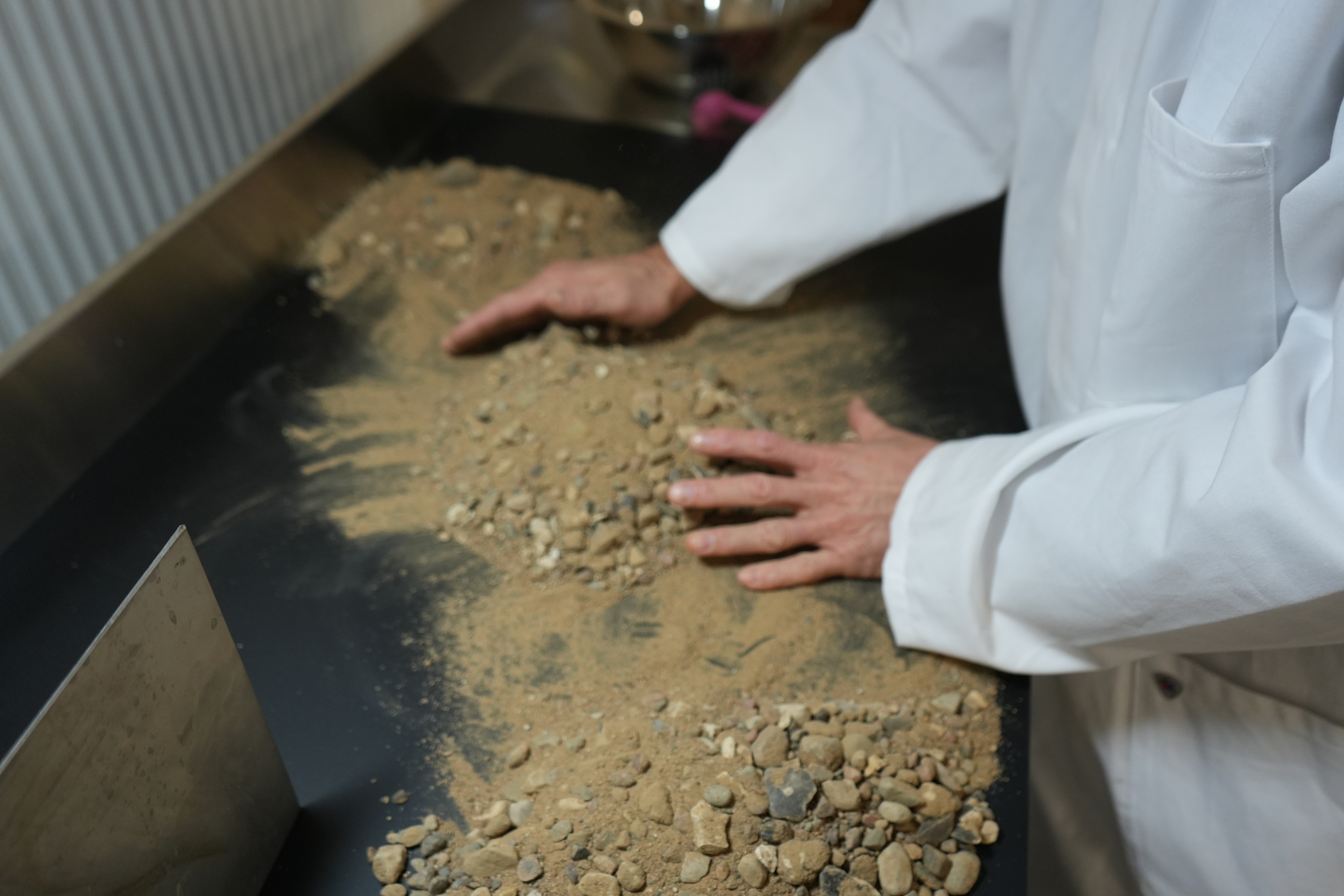
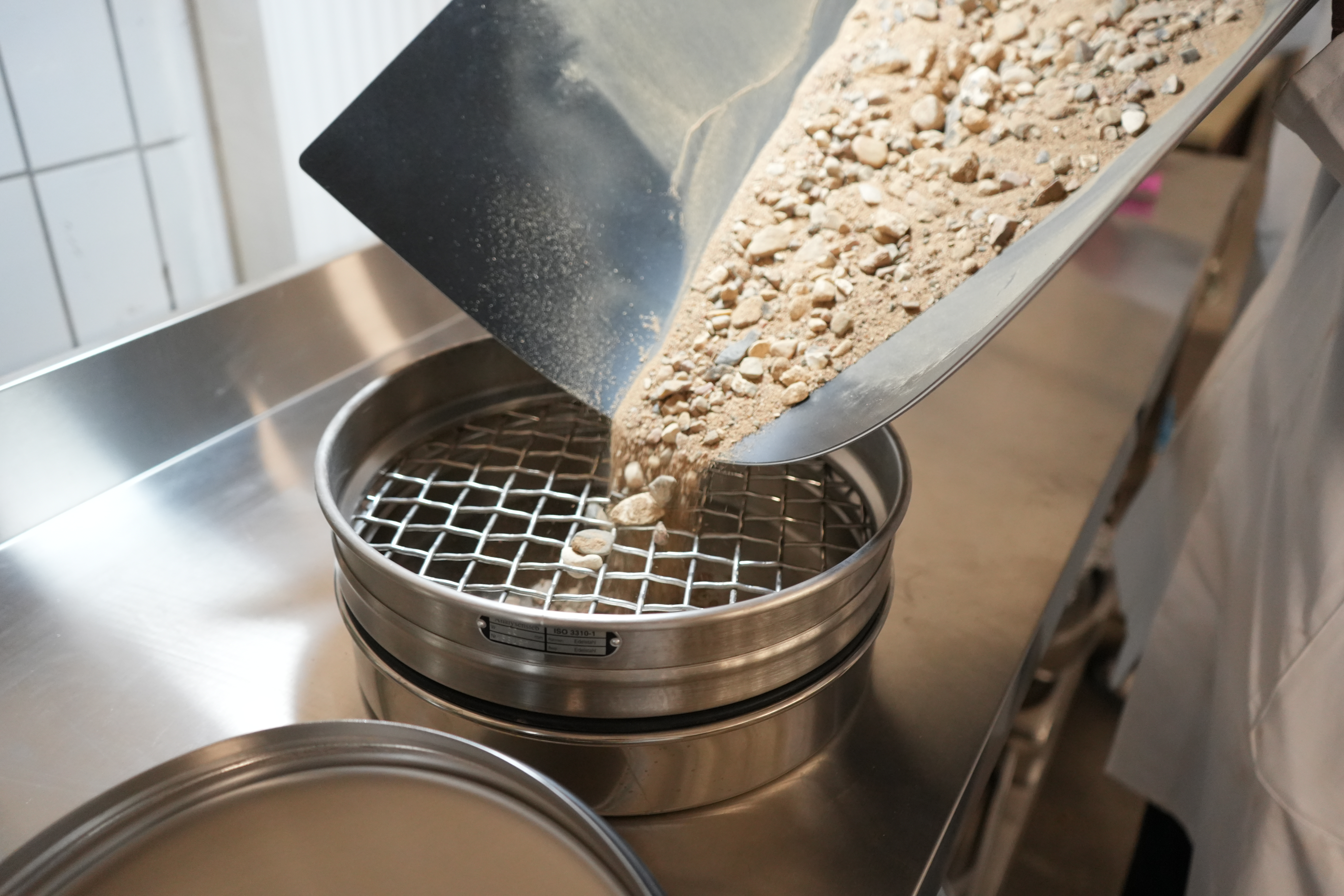
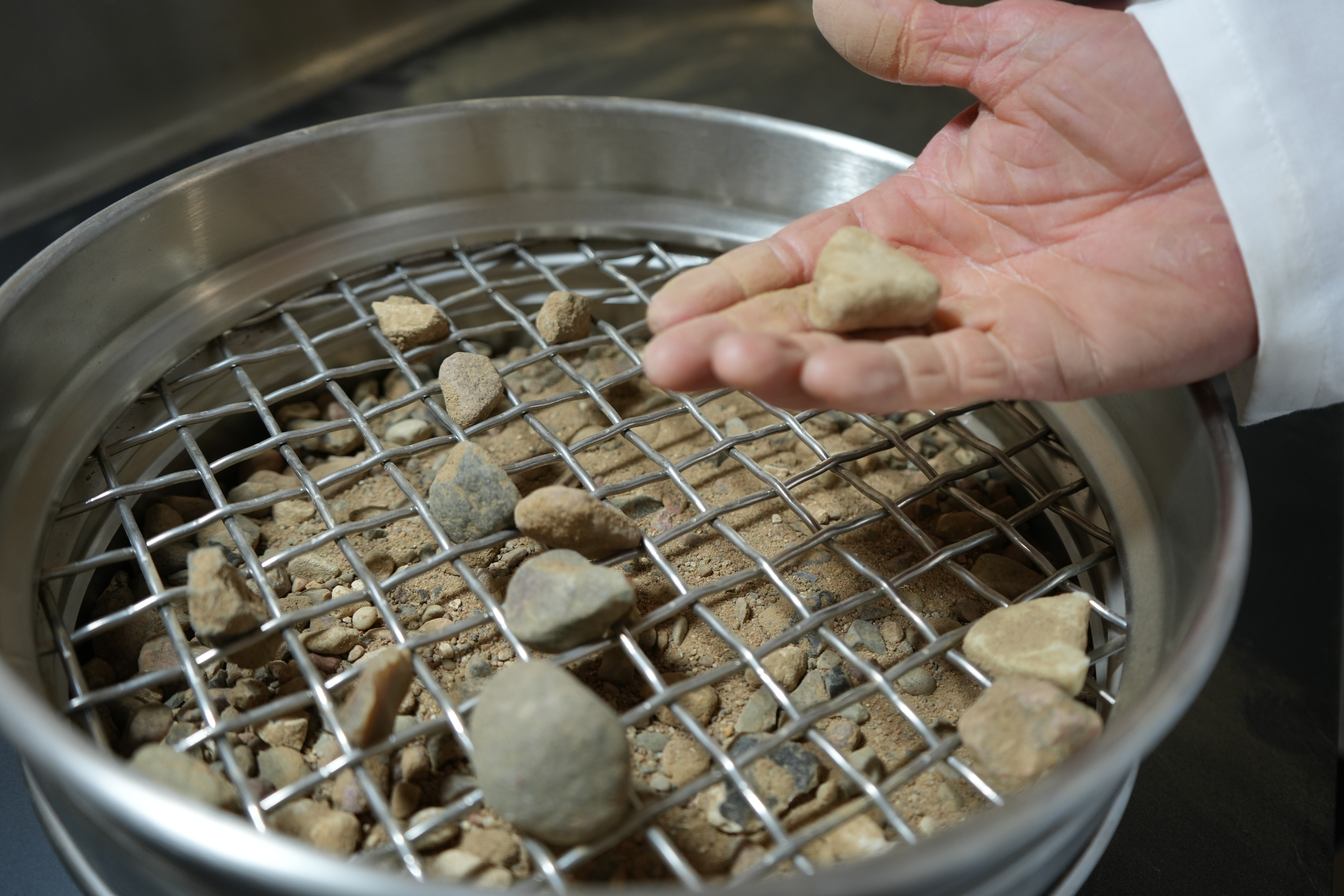
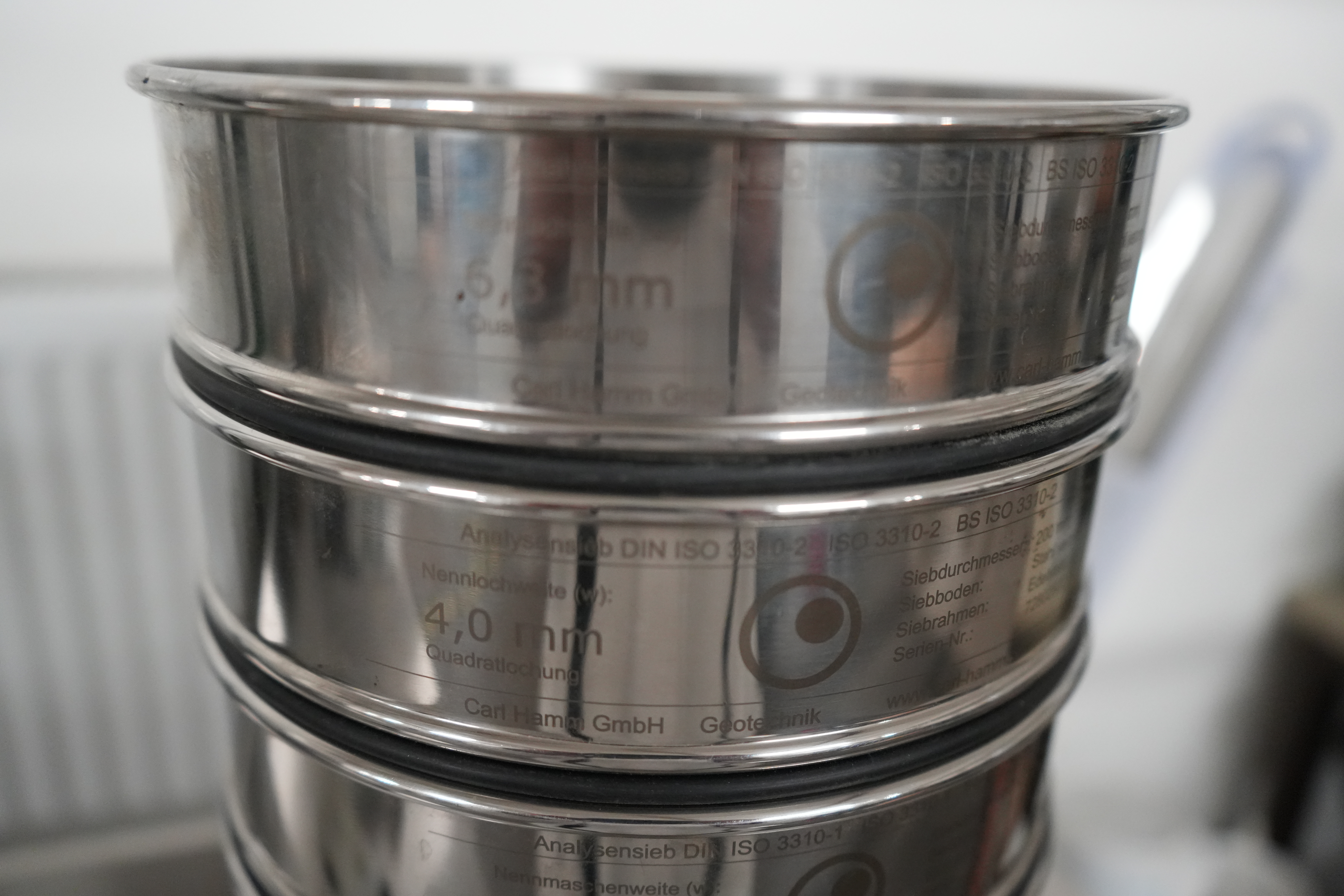
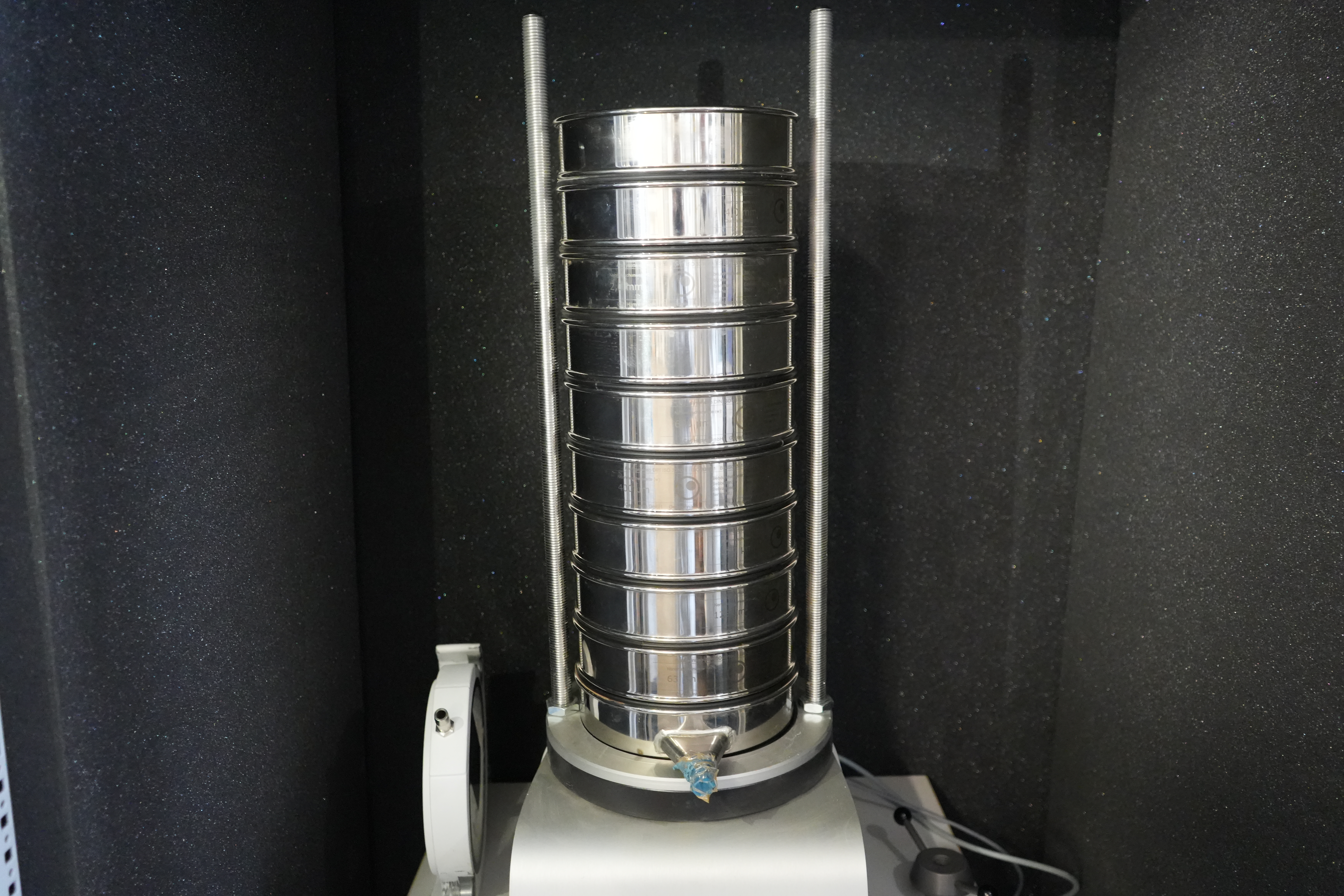
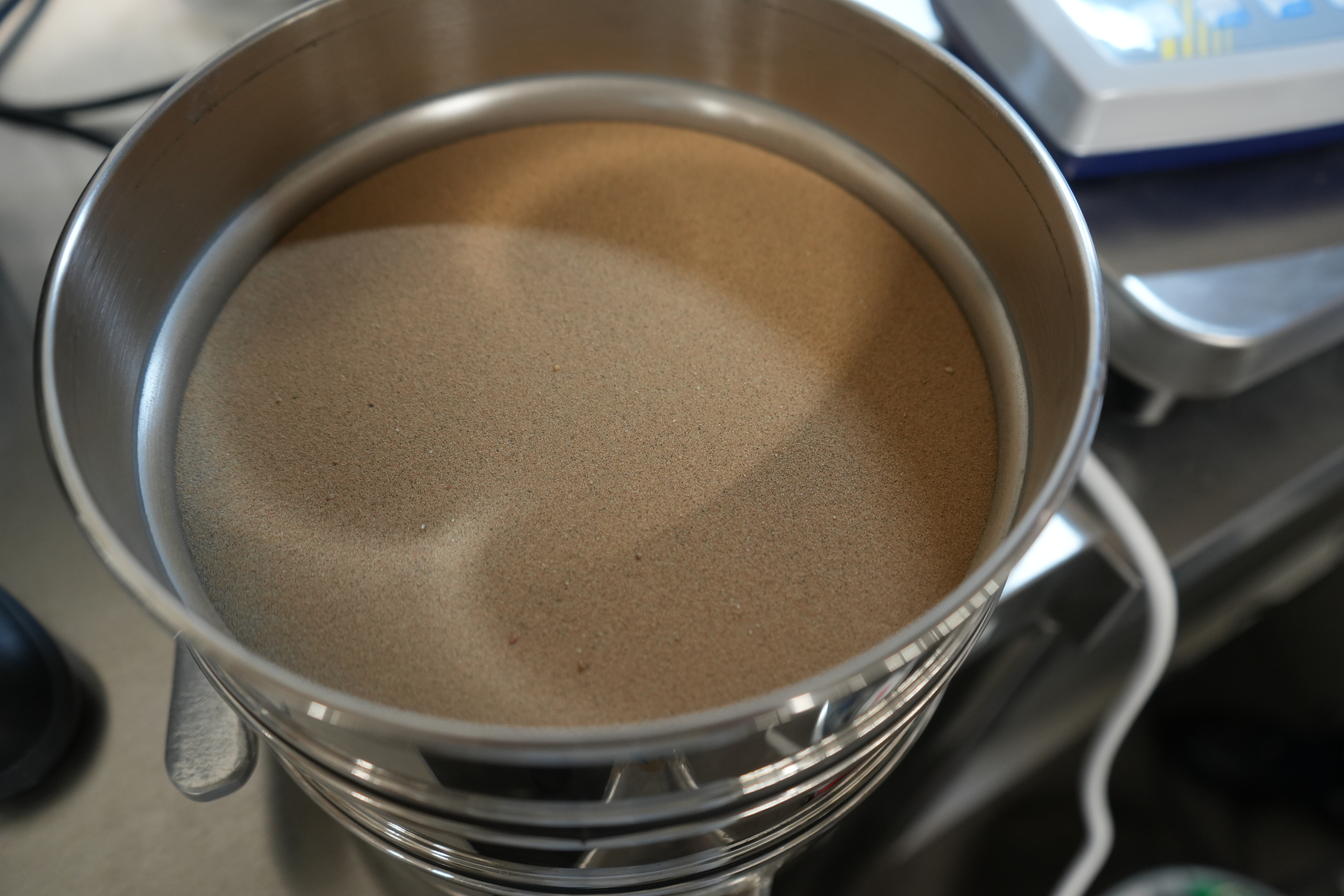
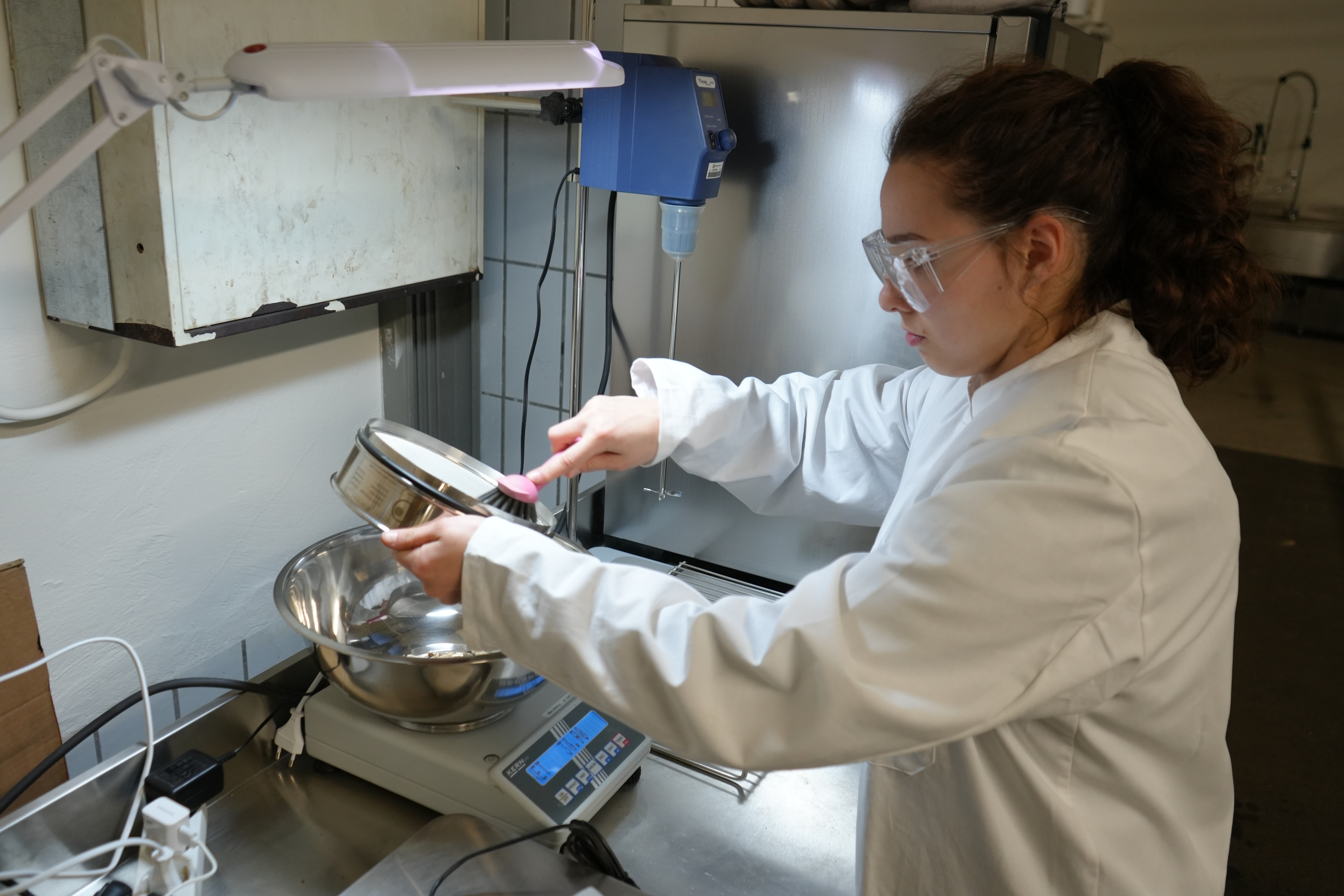
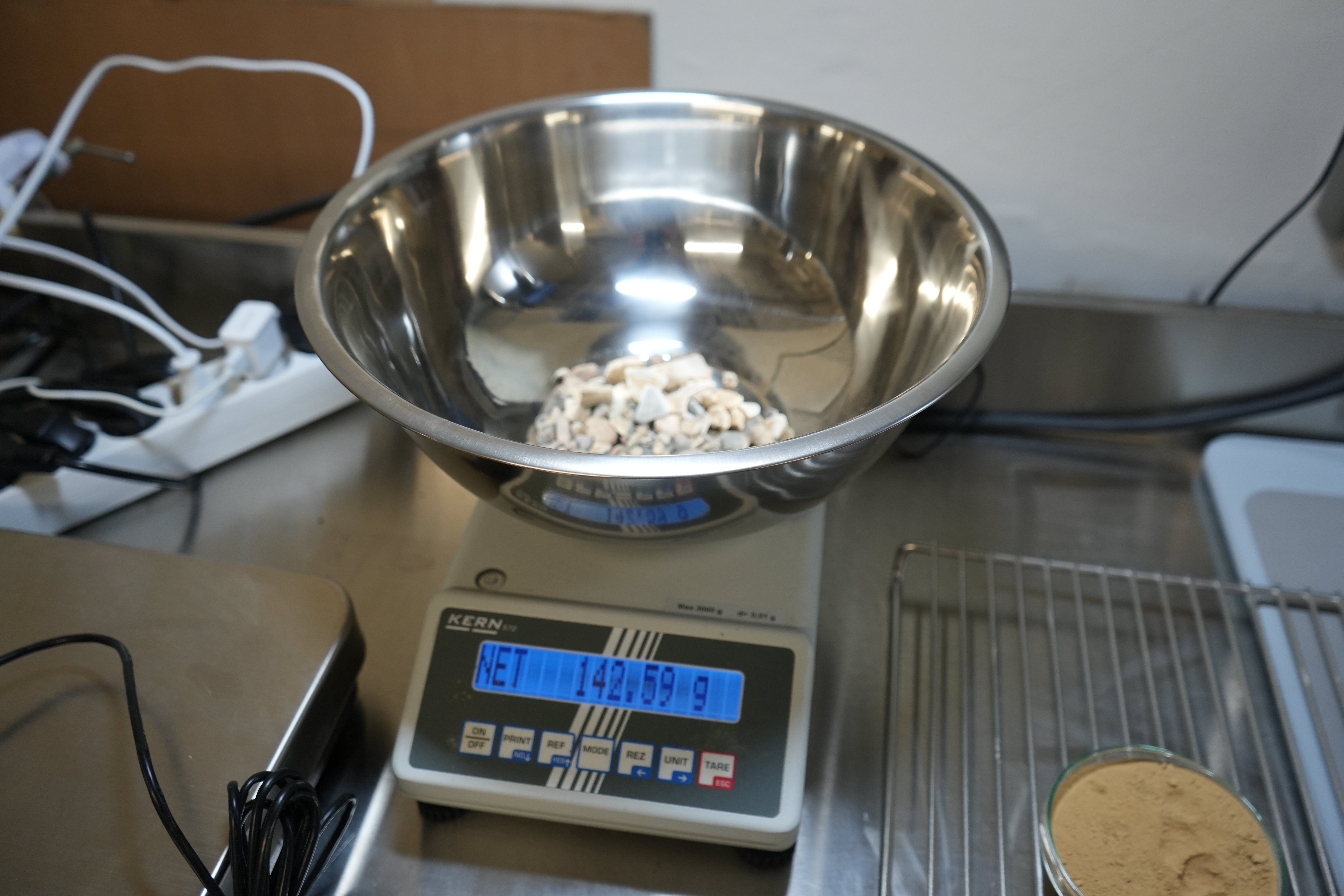
Sieve analysis is a method for determining the particle size distribution of coarse-grained soils or the coarse-grained fractions of mixed soils. In this process, the soil sample is separated into different particle size fractions by sieving. Based on the particle size distribution, the soil can be classified according to DIN 18196, and a sieve curve can be plotted. The sieve curve is a graphical presentation of the particle size distribution. Physical properties of the soil and its suitability for construction purposes can also be determined from this data.
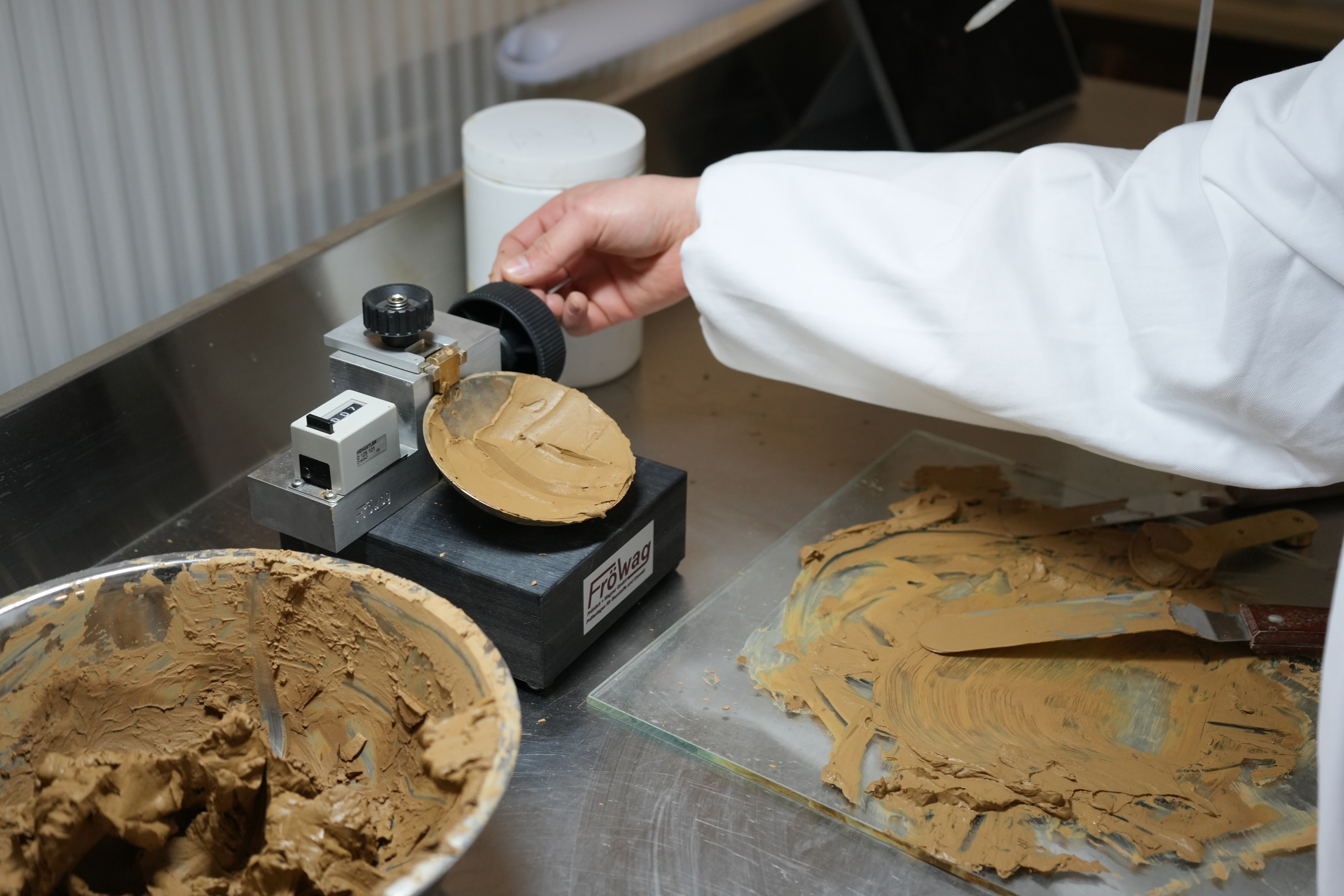
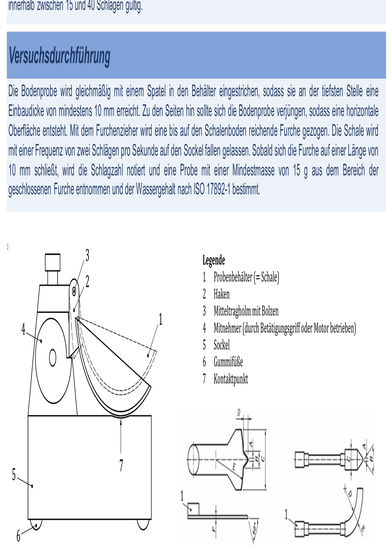
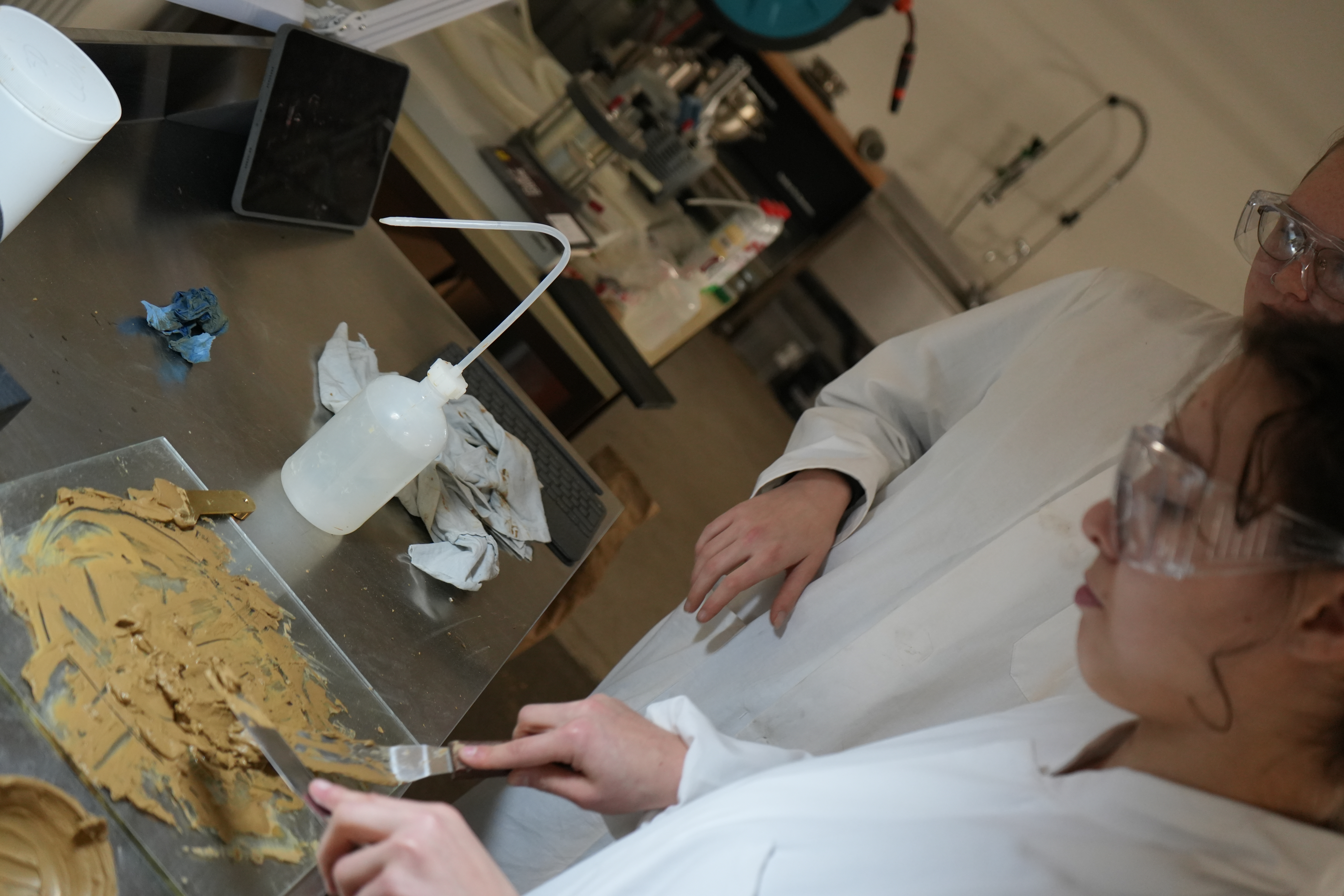
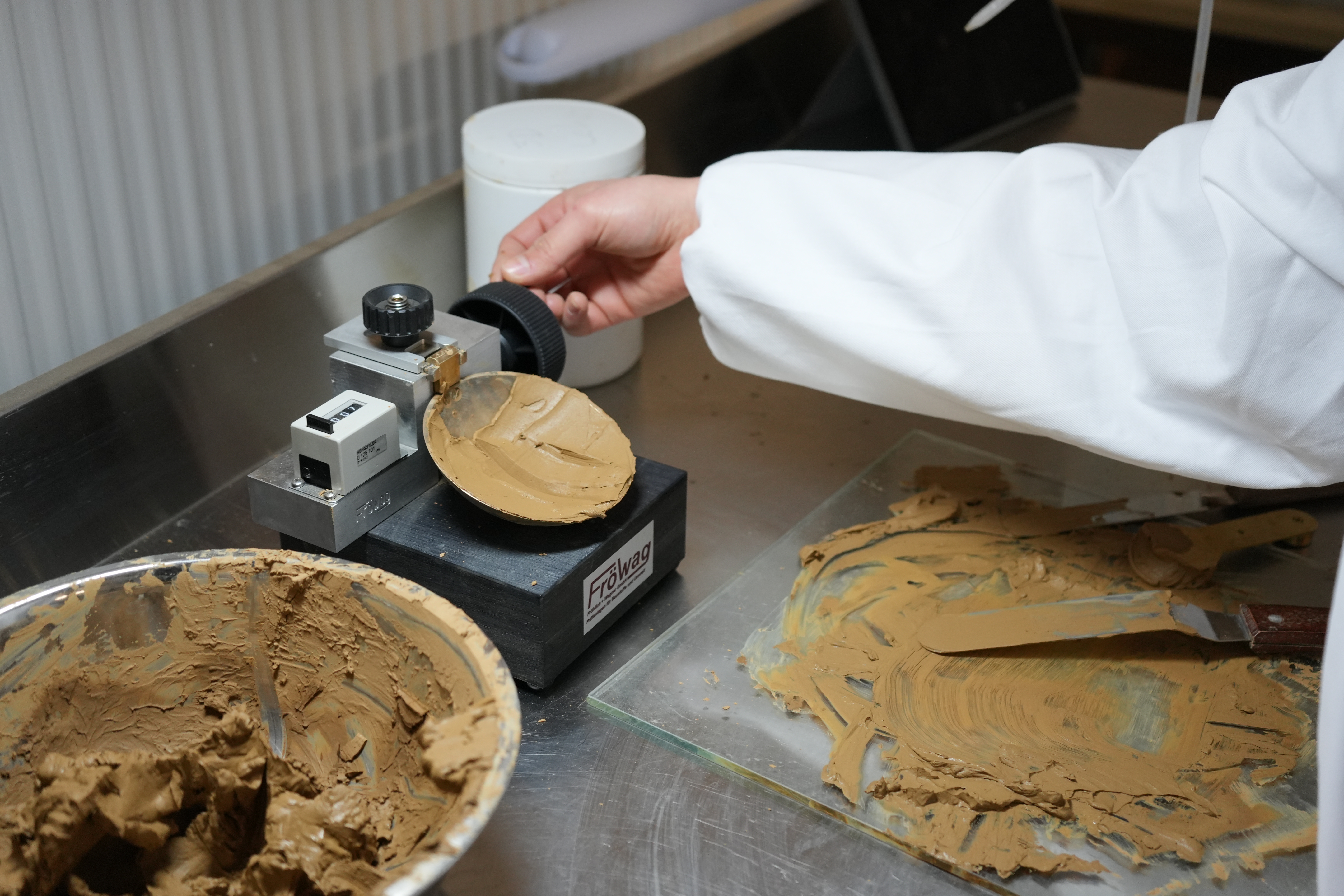
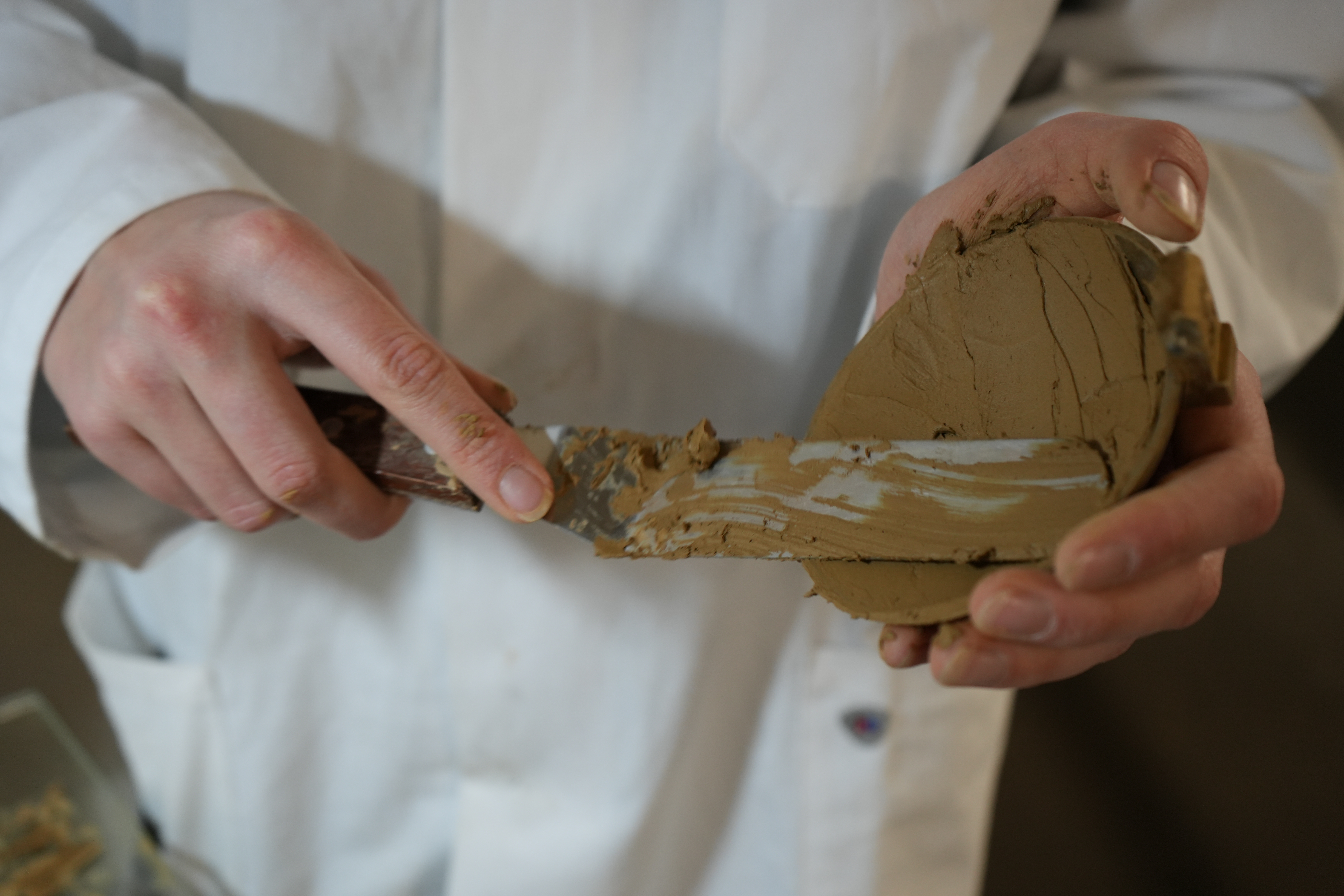
The yield point is one of Atterberg’s state limits and refers to the moisture content at which a cohesive soil is just barely capable of flowing—that is, the transition from the liquid state to the plastic-malleable state. State limits such as the flow limit, spreading limit, and shrinkage limit describe the sensitivity of cohesive soils to changes in moisture content and are used for classification according to DIN 18196. The so-called consistency describes the soil’s deformation state as a function of moisture content.
The flow limit is a soil-specific parameter that depends on the mineralogical composition and can therefore vary between soils. A standardized method for determining the flow limit is the procedure using the Casagrande flow limit tester in accordance with DIN EN ISO 17892-12.
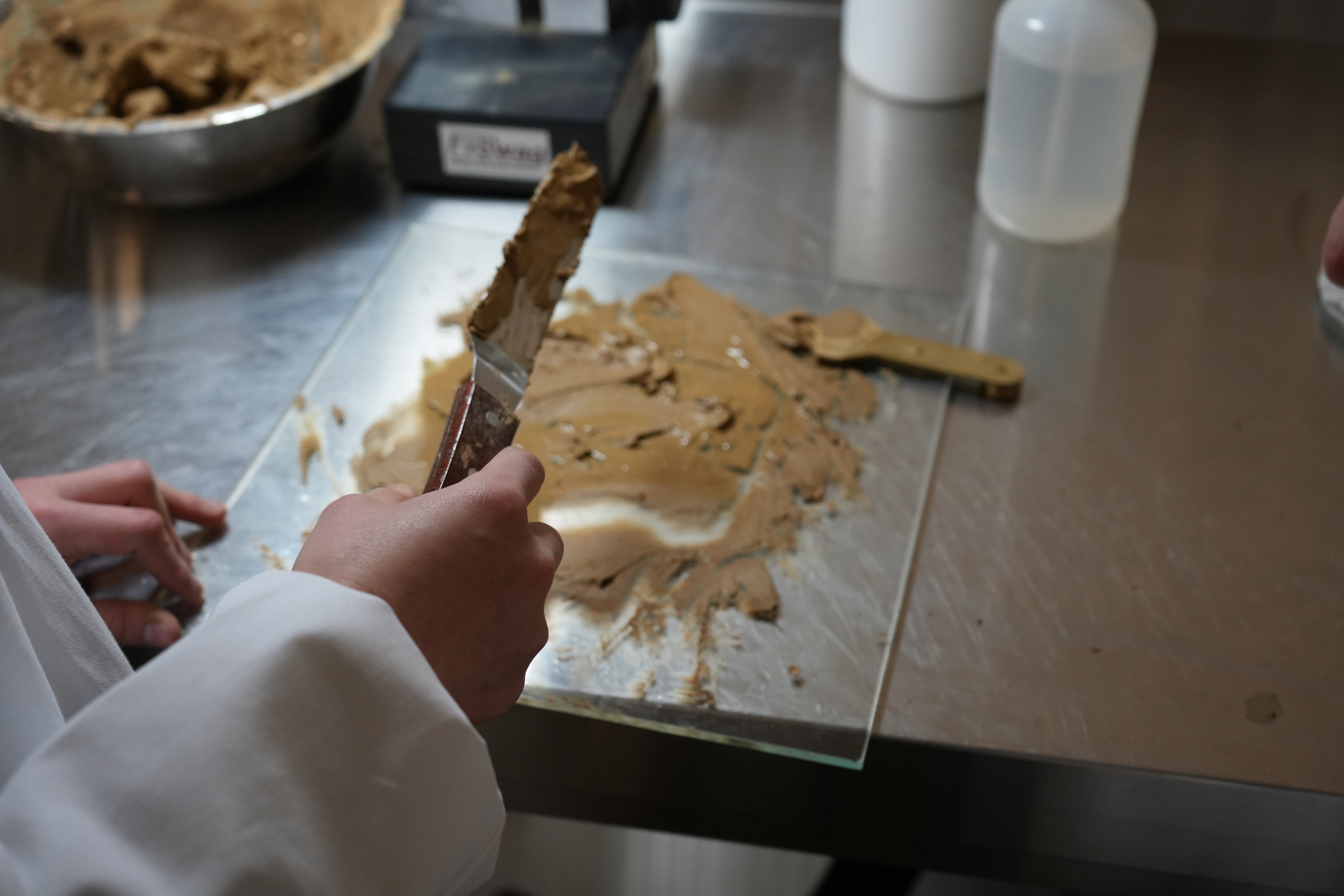


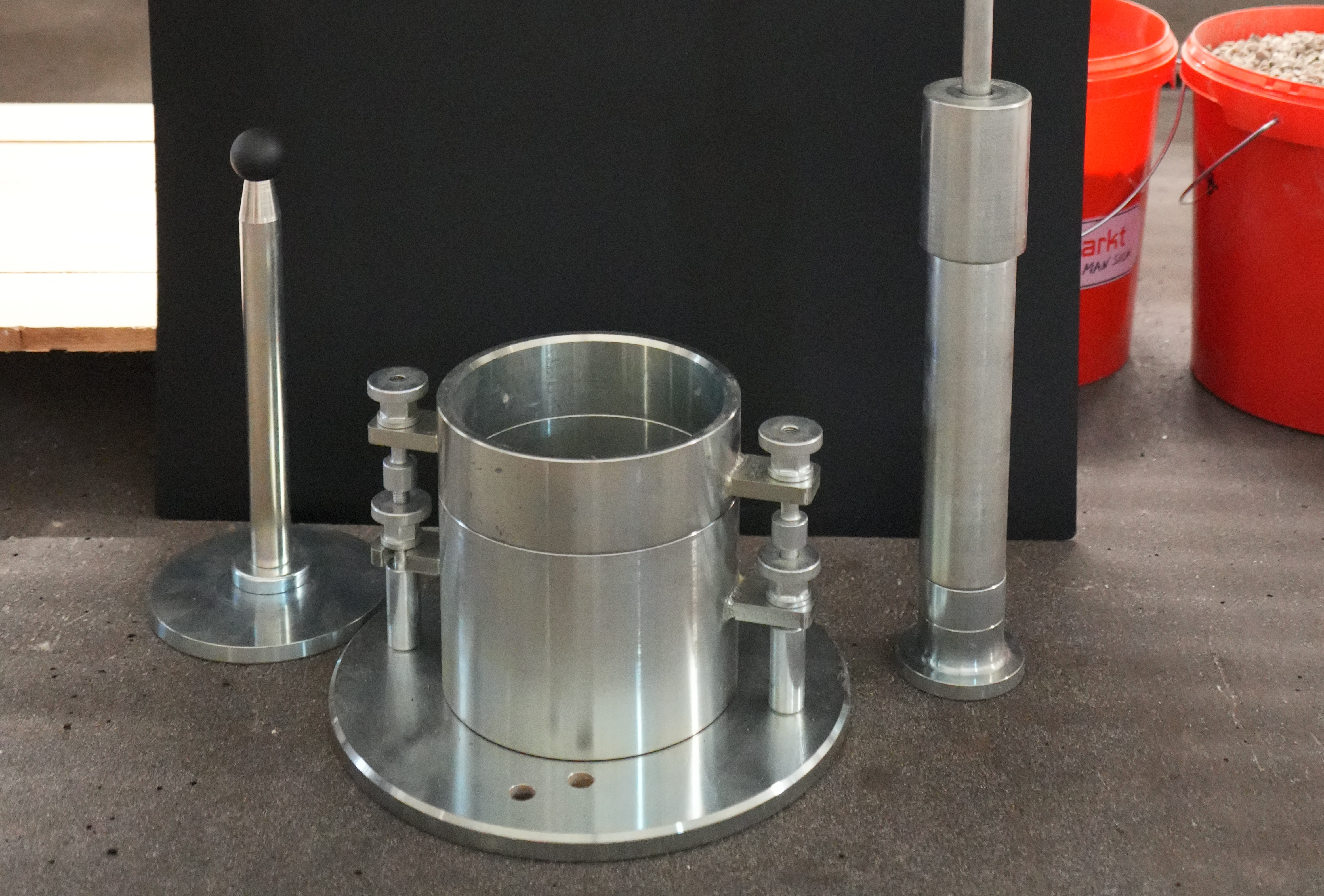
During the Proctor test in accordance with DIN 18127, the dry density of the soil as a function of its moisture content is determined under defined conditions. On construction sites, the results of this test are used to evaluate the compaction performed and to determine the optimal moisture content for effective compaction.