
South-Eastern Finland UAS, XAMK Social Media

Corinna Flodin,
BA Social Work,
reports from the South-Eastern Finland UAS, XAMK.
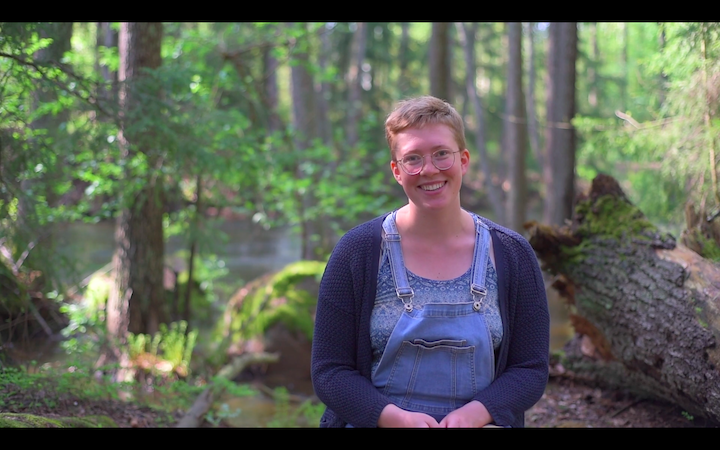


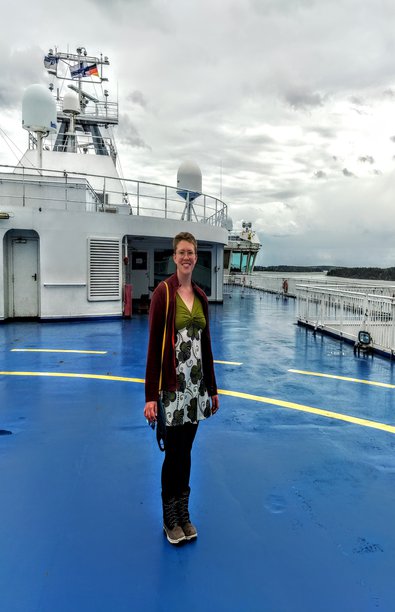
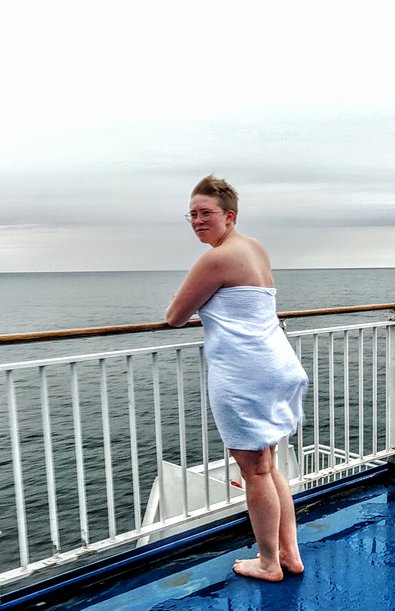
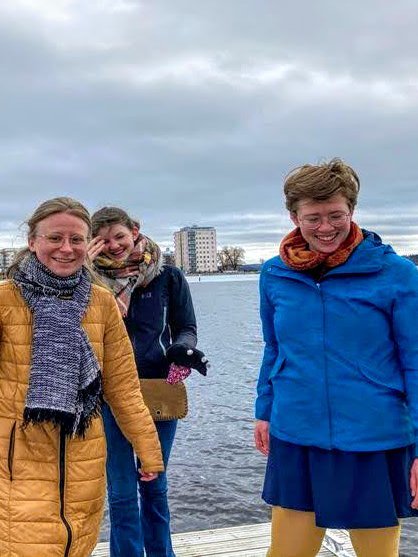
My 7 ½ months in Finland are now coming to an end and I'm getting ready to move back to Kiel and settle back into my everyday life. The 29-hour ferry ride is the perfect time to think about the experiences I've just had, to process the implications of what it will mean to be back in Germany and to go to a Finnish sauna one last time. Finland is a country not far from my home, but it has a very different history and culture and where life feels slower and more leisurely than in Germany. You have the time and are also forced to deal with yourself, to come to terms with yourself and to consciously enjoy the moment. Because it is so difficult to get in touch with people in Finland, you can enjoy the interactions that you do get to experience all the more and are happy about every little conversation in the sauna or with particularly open people on the street. Nature also has a completely different value there, so spending time alone in the countryside is much more appreciated than it is in German cities.
This experience has shown me things that I still need to work on, but also made it clear what my strengths are and encouraged me in my wishes for the future. I am infinitely grateful that I was able to have this experience and that I was able to meet the people who have accompanied me along the way. This adventure has now come to an end, but it will definitely not be the last.
I wish everyone who is thinking about embarking on such an adventure, no matter where it may take you: just dare! Face your fears with the certainty that you will grow from them and take this chance simply to see where it will take you. I wish you all lots of fun and joy!
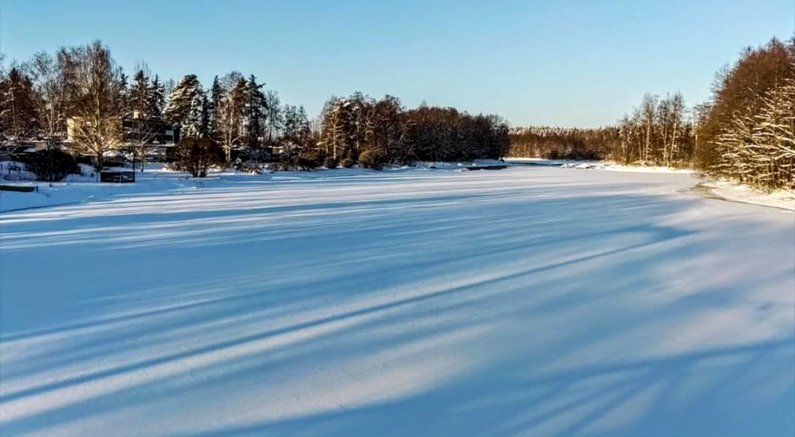
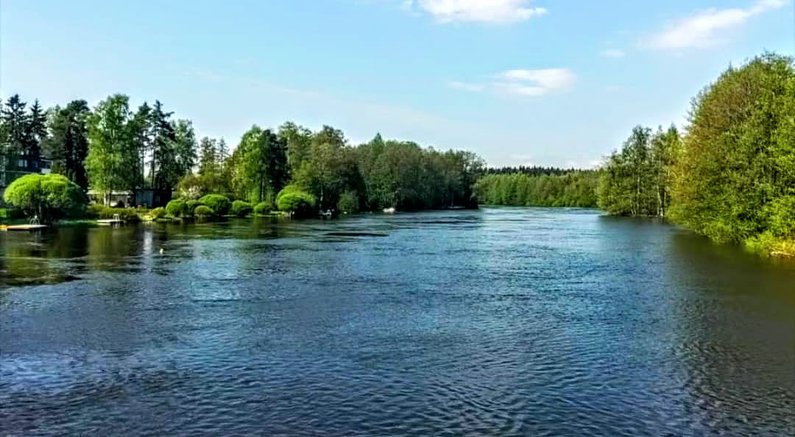
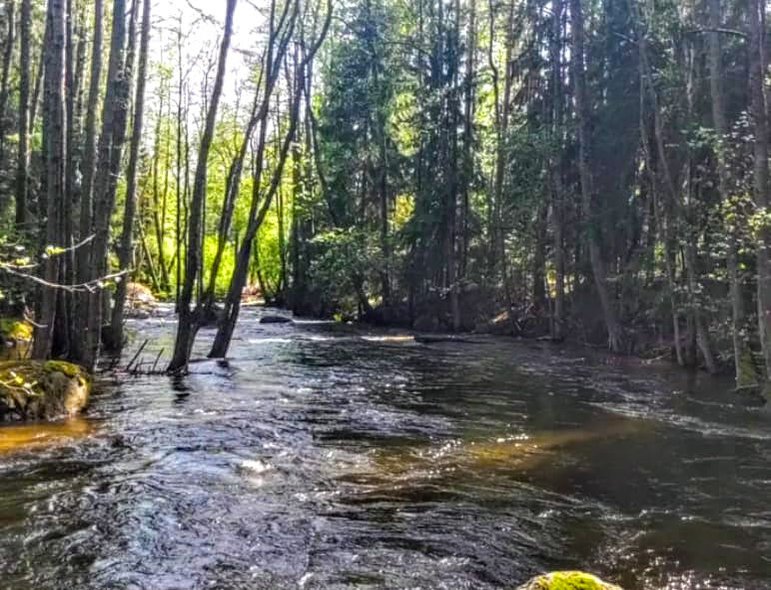
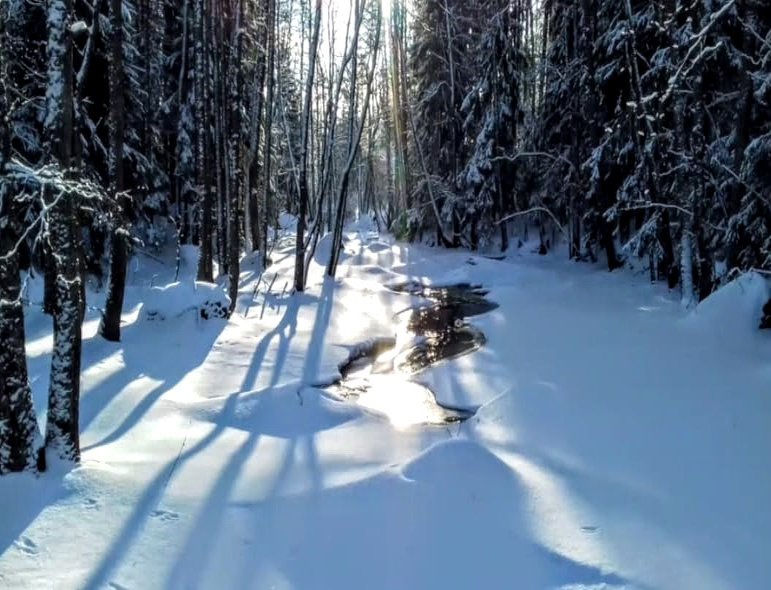
Until a week ago, most of nature was still in hibernation and very slow to stir. Then came the first really warm spring day with sunshine and 20 degrees and within a few hours, the world exploded with color! While some trees had already started to sprout tiny leaves, the birch trees took their time. But where there was nothing to see in the morning, in the evening you could suddenly see green leaves everywhere. I have never experienced such a rapid and powerful growth spurt in my life and since then it has blown my mind every day how striking these changes are everywhere. It's just fascinating how alive nature suddenly is after being dormant for 3 months under huge masses of snow at -20 degrees! The birds start singing at 3 a.m., the sun doesn't set until around 10 p.m. and rises again at half past four in the morning. Even here in the south of Finland, it doesn't get really dark at night in the second half of May and I can only vaguely remember it getting dark at 3pm in December!
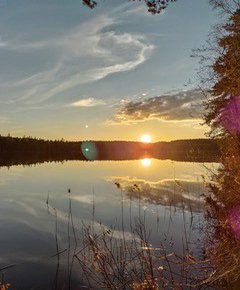
It is
Spring lets its blue
ribbon flutter through the air again;
sweet, familiar scents
streak the land with foreboding.
Violets are already dreaming,
want to come soon.
- Hark, from afar a soft harp sound!
Spring, yes, it's you!
I have heard you!
(Eduard Mörike, 1804-1875)
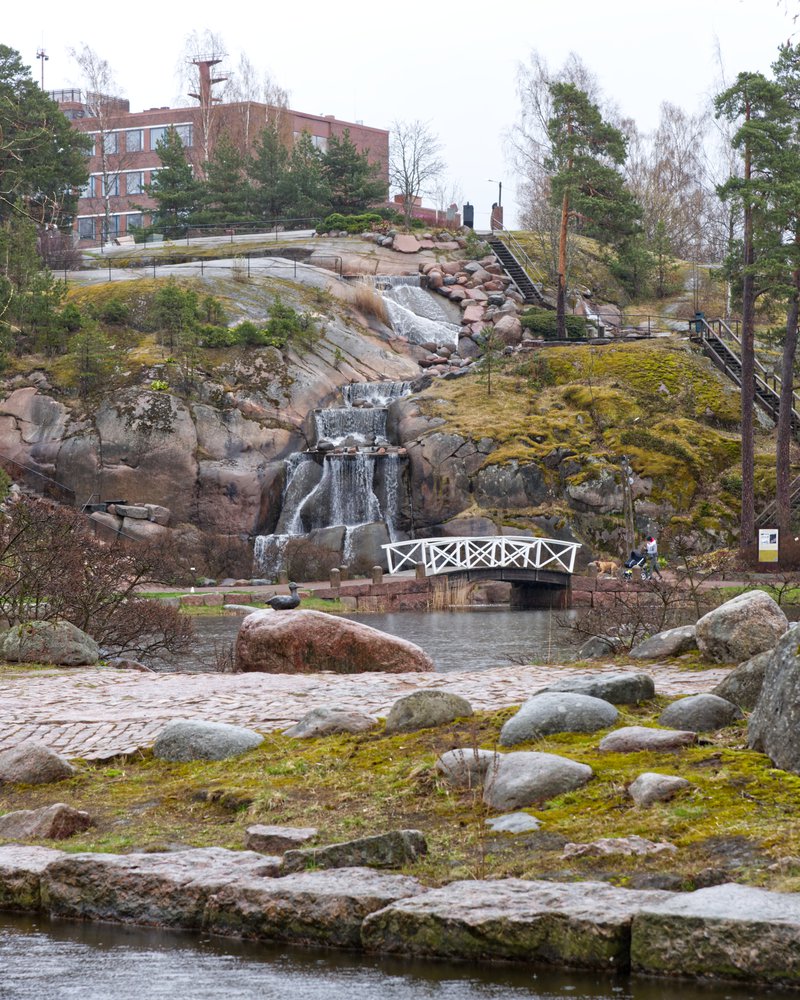
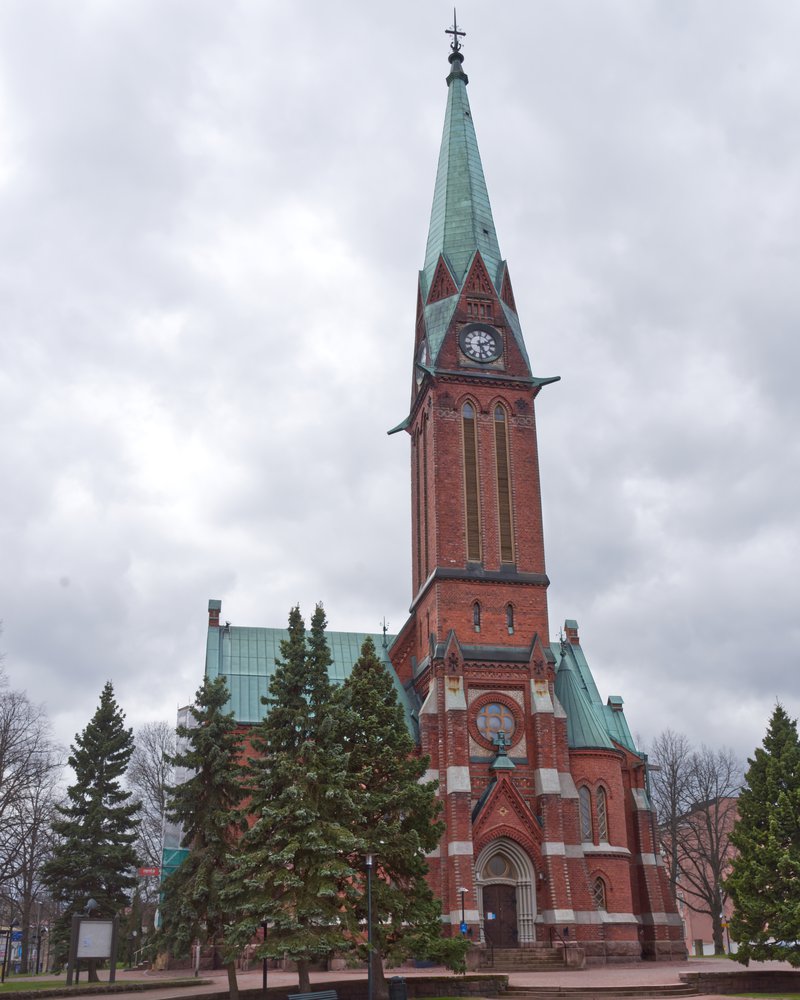
For the last 7 months I have lived in Kotka on Finland's south-east coast. With a population of 51,000, it's a fairly small, sprawling and cozy City where nature is never far from your doorstep. It is the nineteenth largest city in terms of population as a single city, but the twelfth largest city in Finland in terms of population as an urban area. The region is located by the Baltic Sea, only an hour's drive from Helsinki and 3 hours' drive from St. Petersburg. In the Kotka-Hamina region, the Kymijoki River probably served as a border between the interests of the East and the West as early as the 13th century. The Russo-Swedish Sea War of 1788-1790 turned the eastern Gulf of Finland into a battlefield. Finland was caught in the middle of the mutual attacks and wars were repeatedly fought on its south-eastern coast and inland. Traces of the Ruotsinsalmi battle can still be seen in and around Kotka. The Vellamo Maritime Center tells the stories of those battles, individual fates and the early history of Kotka, which was founded in 1878 and greatly expanded in the late 1930s.
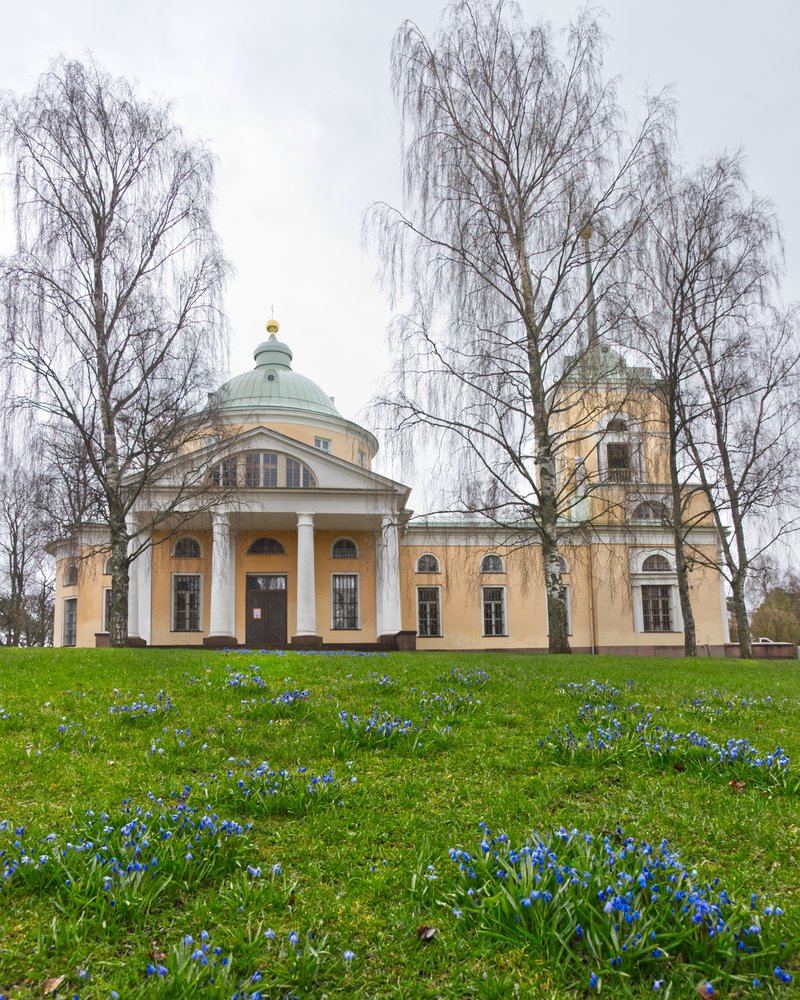
A Greek Orthodox church (1795) is the oldest building in the City. The church was built in the style of Russian neoclassicism. It is one of the few buildings that were not bombed during the Second World War. As a result, the church retained its power as a shrine to the patron saint of sailors, helper of the poor (we all know St. Nicholas, Santa Claus) and also patron saint of the island of Kotka.
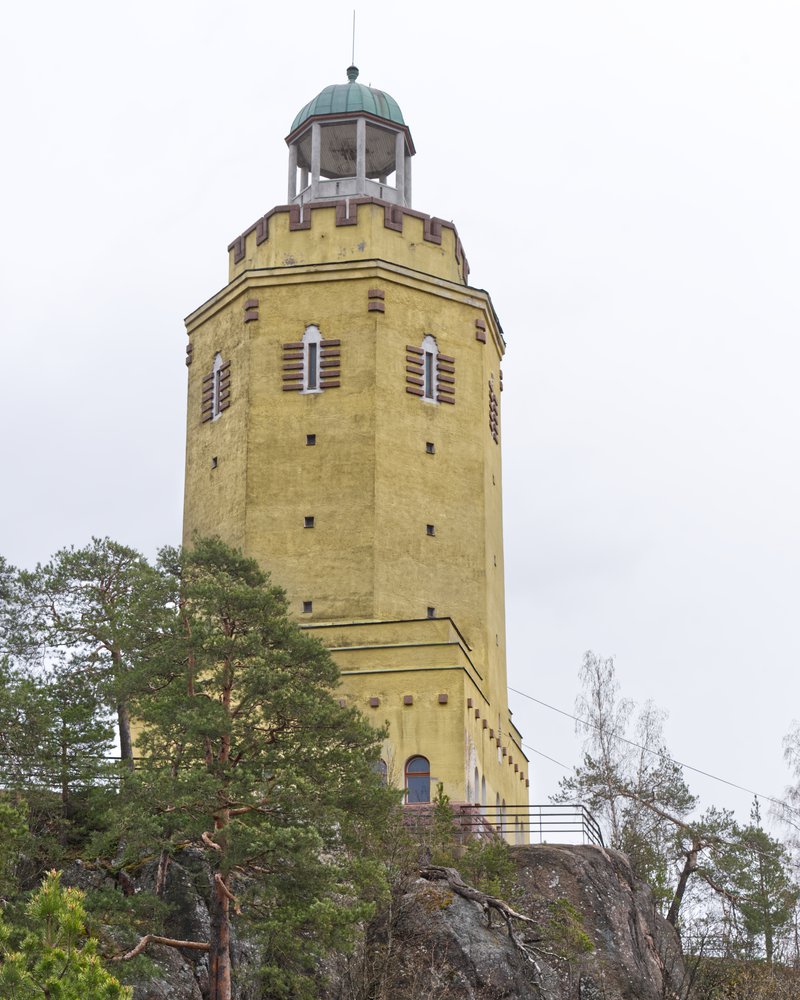
The Haukkavuori lookout tower is located on the highest point of Kotka and the tower rises 72 meters above sea level. It is also the landmark of Kotka and is visible from a great distance, whether you arrive by car or boat.
The Kotka region was one of the first heavily industrialized regions in Finland. Connected to the mainland by rail and road, Kotka is an important seaport for Eastern Finland and a major industrial center specializing in timber, pulp, cellulose and phosphate exports as well as petroleum imports; there is also a sugar refinery and a flour mill in the City. In recent decades, several factories have been restructured, which has led to rising unemployment. Since the 1980s, Kotka's population has been slowly declining, mainly due to the migration of locals to the Helsinki region.
Although Kotka is not the most exciting City in Finland and our ERASMUS group is quite small, I have really enjoyed living here and getting to know the quieter and somewhat secluded Finnish life.
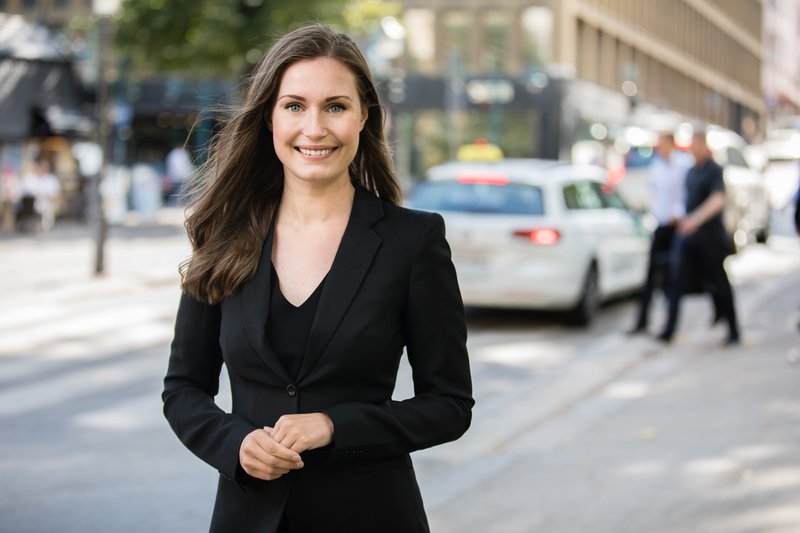
The current Finnish government consists of 12 ministries. Each ministry is responsible for preparing matters within its mandate and for the proper functioning of the administration. The Prime Minister of Finland is a young, feminist environmentalist who became Prime Minister just a month before the corona crisis began. She is a source of great pride for Finnish citizens and a good role model for the whole world.
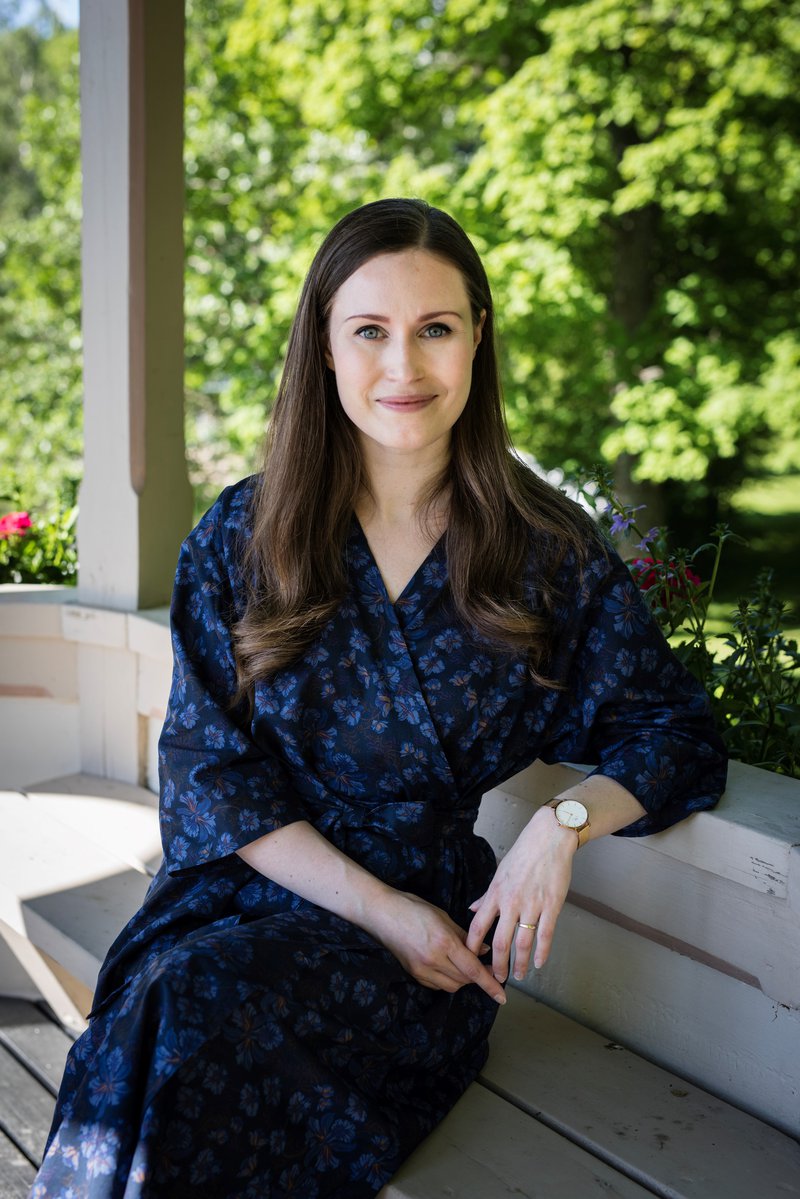
Sanna Marin was born in Helsinki in 1985. She spent her childhood in Pirkkala and now lives with her husband and daughter in nearby Tampere. After graduating from high school in 2004, Marin completed a Master's degree in Administrative Sciences at the University of Tampere in 2017. In her master's thesis, entitled "Finland, a country of mayors", she examined the professionalization process of political leadership in Finnish cities.
Marin's humble background doesn't read like that of your average world leader either. Her parents divorced when she was a small child because her father had a drinking problem. She grew up in a "rainbow family", her mother in a same-sex relationship. They lived in a rented apartment and although they didn't have much money, Marin wrote that they had an abundance of love. After being criticized for her past, Marin used the comments to her political advantage and tweeted: "I am very proud of Finland. Here the child of a poor family can get an education and achieve their goals in life. A cashier can even become prime minister."
In 2015, Marin was elected to parliament when she first ran for office. There she was a member of the Grand Committee, the Legal Affairs Committee and the Environment Committee. She is a member of Tampere City Council, which she chaired from 2013-2017. In 2014, Marin was elected second deputy party leader of the Social Democratic Party and has been first deputy party leader since 2017. In August 2020, Marin was elected Chair of the Social Democratic Party. Marin has been actively involved in politics since 2006. Ecological values are also close to Sanna Marin's heart.
Sanna Marin was appointed Prime Minister on December 10, 2019. Marin is the third female Prime Minister of Finland, the youngest female Prime Minister in Finland's history and the youngest female Prime Minister in office in the world. She now heads Finland's governing coalition of five parties, all of which have female leaders and almost all of whom are under the age of 36. This is a remarkable line-up considering that the country's leaders have traditionally been older men. Finland was the first country in the world to elect women to parliament just over a century ago.
Initially, many Finns were too embroiled in domestic political disputes (the previous prime minister resigned after nationwide labor strikes) to make much fuss about Marin's record-breaking age. But when the international press started to get involved, they took notice. People have said that this is the best thing that could have happened to Finland's international reputation.
If you want to learn more about how the young Finnish prime minister is leading Finland through the corona crisis, I recommend the following article: https://www.vogue.com/article/millennial-prime-minister-leading-finland-through-crisis
Photos: Laura Kotila, valtioneuvoston kanslia https://kuvapankki.valtioneuvosto.fi/l/2n7pG8ZmbRvD
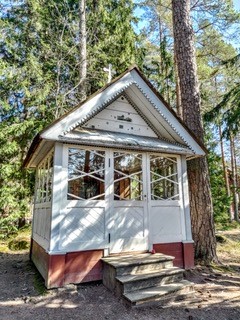
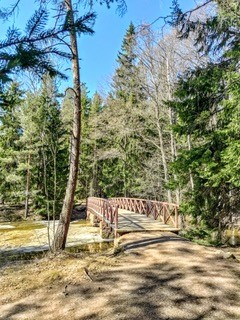
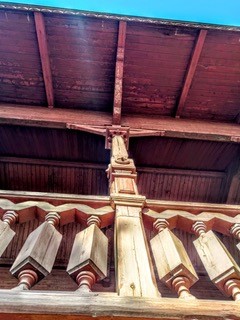
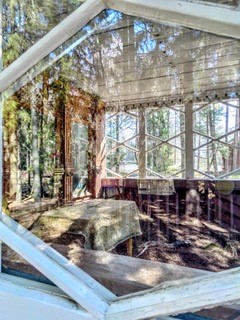
Just a 10-minute walk from our apartment block is Langinkoski, a beautiful historic village surrounded by nature and mighty rapids with excellent fishing opportunities.
Langinkoski and its buildings are part of the nationally valuable cultural landscape in Kymijokilaakso and the National City Park in Kotka. The fishing lodge built by Russia's Tsar, Alexander III, was turned into a museum in the 1930s and the unique unity of buildings and landscape was given the status of a nature reserve in 1960.
At the emperor's request, the Grand Duchy of Finland had a fishing lodge built for itself in Langinkoski. The imperial family enjoyed their time in the hut, free from the strict court etiquette in St. Petersburg.
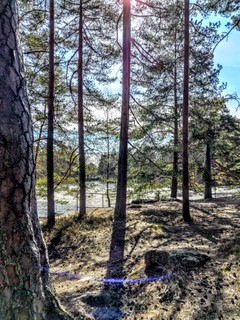
From the time of Alexander III until the end of independence, Langinkoski was inhabited by three Russian fishermen who stayed in the area from mid-May to the end of September. Salmon fishing began around midsummer. Sometimes the emperor himself fished for salmon in the riverbed, which the empress then used to make soup. The whitefish season began towards the end of the summer. In August, the fishermen caught the nocturnal lampreys. The best annual catches from the rapids amounted to thousands of kilos. From the late 1800s, the fish population in the area suffered from industrial pollution. Today, Langinkoski is a recreational fishing area that invites you to take a walk, listen to the watercourses and reflect.
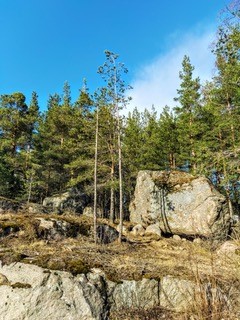
Finland is heavily forested and has some 56,000 lakes, numerous rivers and extensive wetlands; from the air, Finland looks like an intricate blue and green jigsaw puzzle. Except in the northwest, the relief does not vary much, and travelers on the ground or on the water can rarely see beyond the trees in their immediate surroundings. Nevertheless, the landscape has an impressive - if sometimes desolate - beauty. The basic structure of Finland is a huge worn shield consisting of ancient rock, mainly granite, from the Precambrian period (about 4 billion to 540 million years ago).
Finland's coastline, which is around 4,600 km long, is highly indented and dotted with thousands of islands. Most of them are located in the southwest, in the Turku Archipelago, which merges into the Åland Islands in the west. The southern islands in the Gulf of Finland are mainly of low altitude, while the islands along the southwestern coast can rise to a height of more than 120 meters.
The relief of Finland was strongly influenced by the Ice Age glaciation: the retreating continental glacier left the subsoil with moraine deposits in the form of eskers, remarkable sinuous ridges of layered gravel and sand running from northwest to southeast. One of the largest formations is the Salpausselkä Ridge, three parallel ridges that arc through southern Finland. The weight of the glaciers, which were sometimes several kilometers thick, pushed the earth's crust down many hundreds of meters. As a result, areas freed from the weight of the ice sheets have risen and continue to rise, and Finland is still emerging from the sea. In fact, a land rise of about 10 mm per year in the narrow part of the Gulf of Bothnia is gradually transforming the old seabed into dry land.
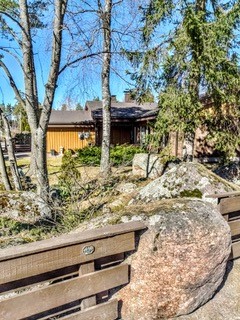
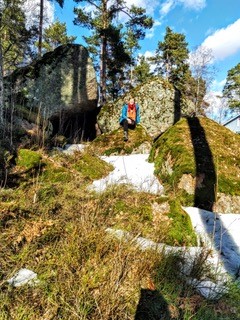
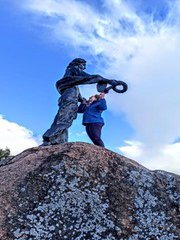
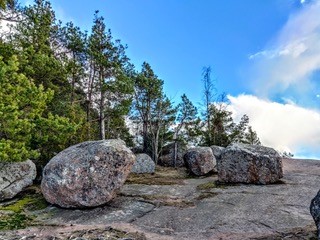
I find the many stones and boulders scattered all over the land particularly impressive. The forest is full of them and many houses have a beautiful stone in the garden. Often these stones are so large that it is easier to build around them rather than move them.
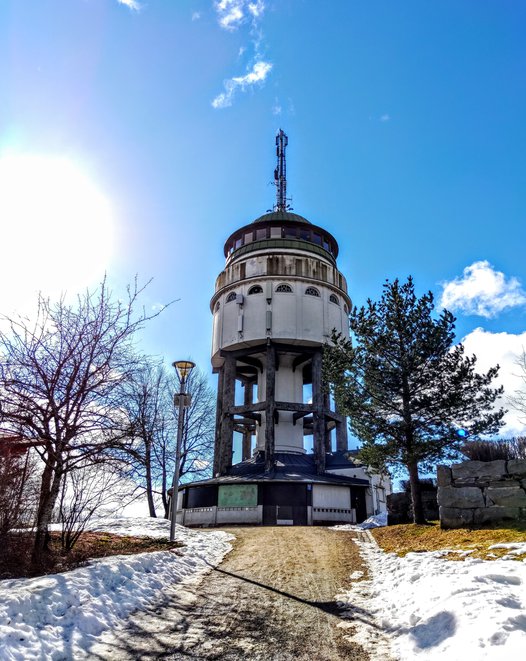
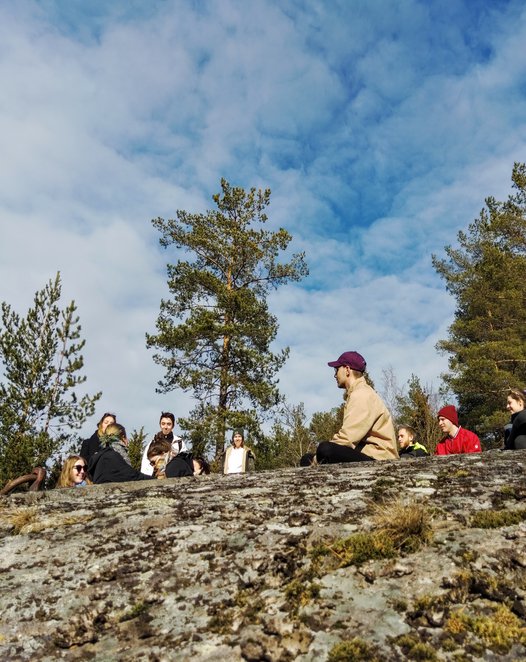
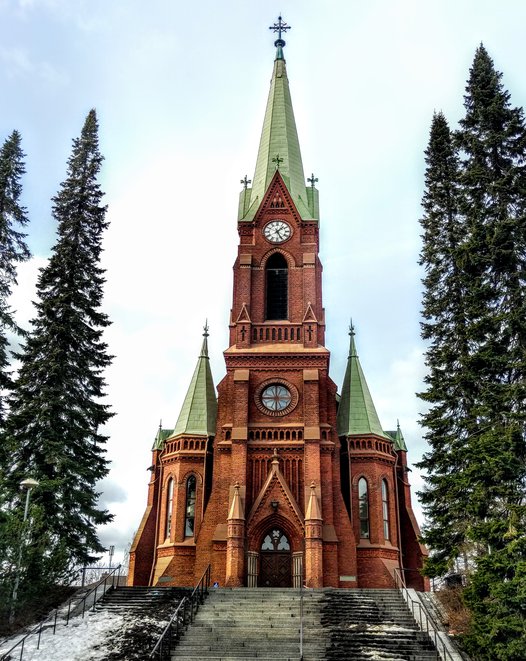
Over the long weekend we were able to visit Mikkeli and Savonlinna and see a little more of what Finland has to offer.
Mikkeli
With a mix of city life and rural charm, Mikkeli has it all. Surrounded by glistening lakes and fairytale forests, cute and cozy Mikkeli is not only the capital of Southern Savoy, but also Finland's thriving cottage capital. Cottage life with lakeside saunas is an integral part of Finnish summer life, and over 10,000 Finns have built their cottages in the Mikkeli region!
Savonlinna
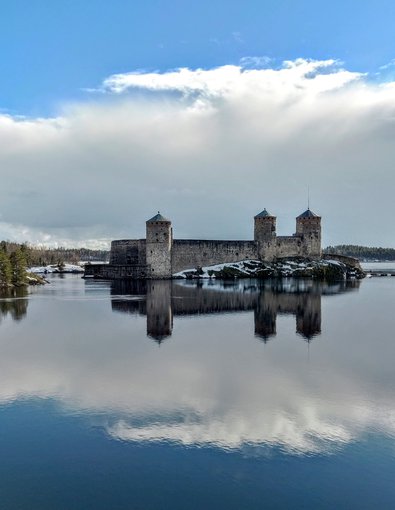
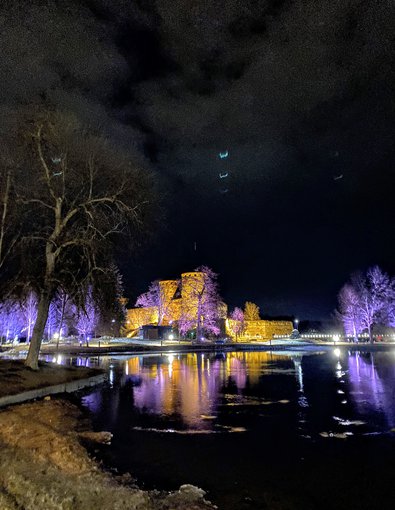
Of all the sights in Finland, Olavinlinna or St. Olaf's Castle in Savonlinna is by far the most magnificent, fascinating and historically significant. This medieval lakeside fortress has defended Finland against Russian attacks for hundreds of years and is today steeped in many captivating legends and ghost stories.
Olavinlinna was founded in 1475 by the Danish knight Erik Axelsson Tot. The building site was a sparsely populated area at the time, but it was of great military importance due to its proximity to the Russian border. Finland was then part of the Kingdom of Sweden and when Russia threatened to expand its borders, Olavinlinna was one of many structures built to strengthen and defend the eastern part of the kingdom.
By far the most famous story of Olavinlinna is the tragic love story of the Finnish damsel. The lord of the castle's daughter was in love with a Russian soldier and opened the castle gate one night to let him in. But she was betrayed by her lover when he brought more soldiers with him. The Russian troops were repulsed and the traitorous lover was killed in the attack. The girl was sentenced to death for treason and buried alive in the wall of the courtyard. A short time later, a rowan tree grew at the grave site and the white flowers that bloomed on the tree were intended to symbolize the girl's innocence.
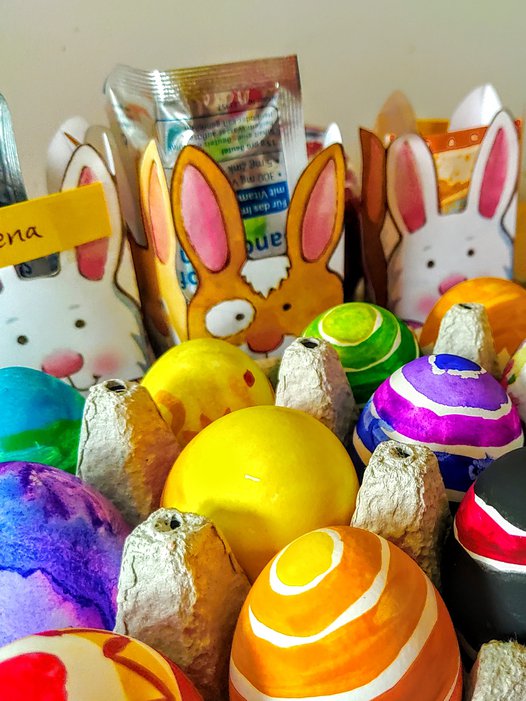
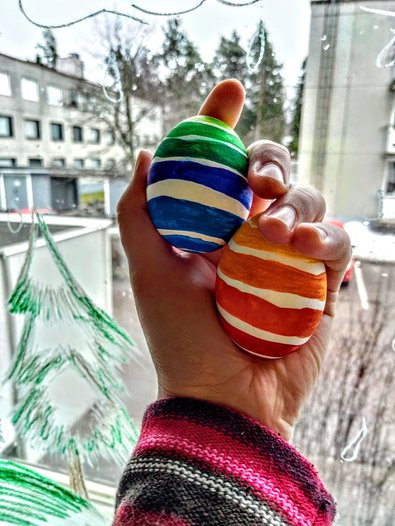
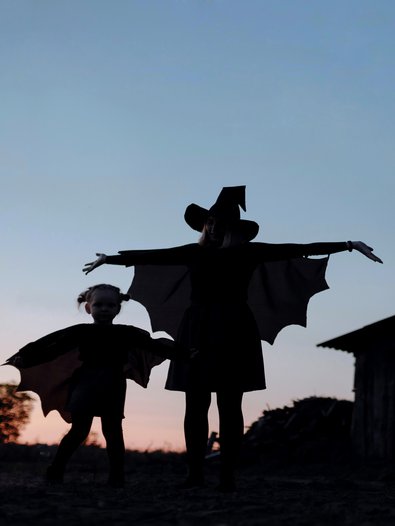
Finnish Easter is a big holiday, but not necessarily as religious as it once was. On this occasion, Finns mix pagan traditions with family time and some religious aspects. Many families head off to their summer homes or to the ski resorts in Lapland.
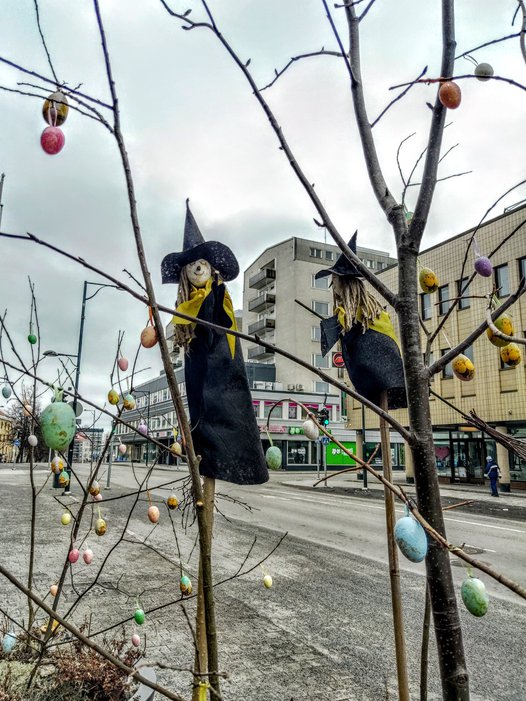
For Finnish children, Easter is the best celebration after Christmas and their birthday. The Sunday a week before Easter is THE day the children are most excited about, as Easter is the Finnish equivalent of Halloween. In many families, preparations start a few days beforehand. The children collect a good bunch of willow branches and decorate them beautifully with different colored ribbons and feathers. On Sunday, the children dress up as witches and then go from door to door with their cheerful willow branches. They sing a rhyme and wave the willow. This is supposed to bring health and luck to the person who opens the door. They then hand over the branch and expect sweets or money in return. One version of the rhyme reads: "Virvon, varvon, tuoreeks, terveeks, tulevaks vuodeks. Vitsa sulle, palkka mulle!"
Six funny things that are part of Finnish Easter:
1) Finns rarely like decorative frills. At Easter, they have little chicks, roosters, rabbits and eggs everywhere in the house.
2) Finns don't particularly like yellow. At Easter they decorate everything with yellow.
3) Finns rarely eat lamb. At Easter they only eat lamb.
4) Finns know that people are allergic to willow. At Easter they decorate the house with willow branches.
5) Finns do not let their children eat sweet things for breakfast. At Easter, the children eat chocolate eggs in the morning.
6) Finns don't like cold porridge. Nobody likes it. At Easter they eat mämmi, cold sweet rye porridge with cream and sugar.
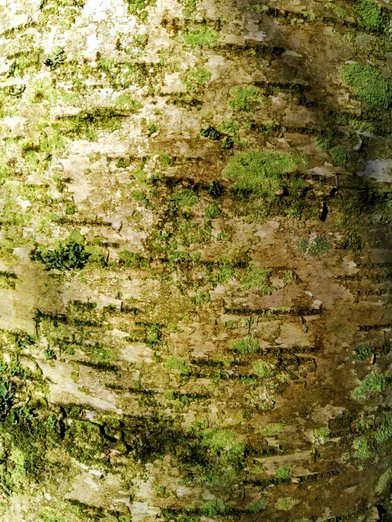
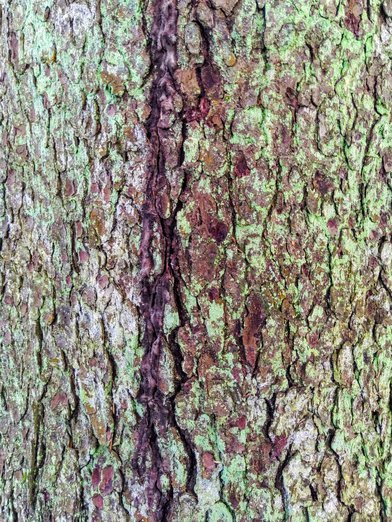
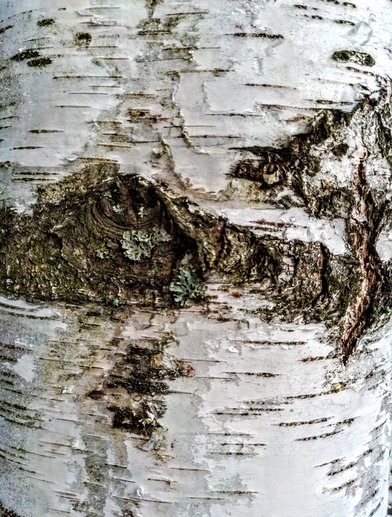
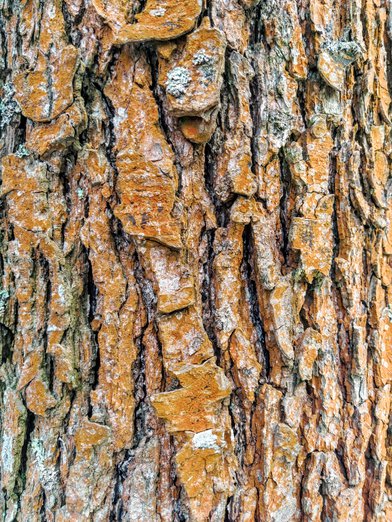
Finland is the most tree-rich country in Europe and is largely forested. The tree industry and the Finns' close relationship with nature both play a major role in Finland's history and culture. It's never far to the nearest forest, so you can always quickly get away from the noise and other people and back to yourself.
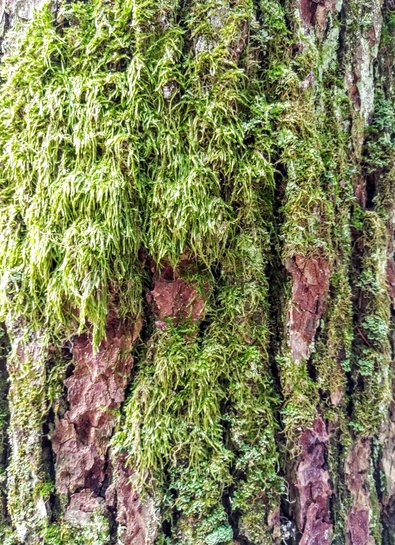
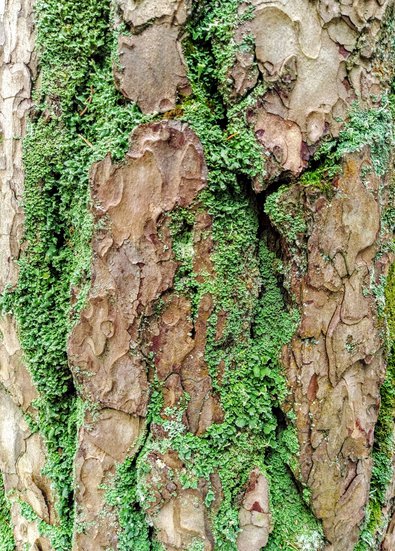
Tree bark
Today I have seen many a beautiful picture in birch trees
,
let it quietly affect me
as I slowly pass by.
An animal there catches the eye
in the black and white bark,
and a world of its own
can be found there.
Signs of the forest spirits,
or just nature?
I can get enthusiastic about it
on the pure tree bark.
Christiane Mielck-Retzdorff


Eight seasons
Four seasons were not enough for the Laplanders and the Sami in ancient times. Instead, they divided the year into eight sections: Autumn-Winter; Winter; Spring-Winter; Spring; Spring-Summer; Summer; Summer-Autumn and Autumn. In this way, the four main seasons were supplemented by four "half-seasons". The warm, moonlit nights of August belong to summer; but August comes with a hint of the crispness of fall and its piercing, melancholy light. All it takes is a few cold, frosty nights and fall summer becomes fall. When the leaves start to fall and the lakes are covered in mist and ice at night, fall has arrived in full force, even though it's not quite fall-winter yet.
Pakkastalvi ('frosty winter') is the first season of the year. The New Year celebrations are over, and it is dark, cold and quiet until March or April, when hankikanto ('spring with crusted snow') arrives soon after the lental season. The amount of light increases significantly, even though it is still dark and cold at night. With the increasing light, everything in nature begins to awaken. With the first signs of spring, jäidenlähtökevät (literally 'ice-breaking') begins: The ground is still covered in snow, but the first plants begin to sprout and reindeer give birth to their calves. The first stoneflies begin to crawl on the snow near the shore. As soon as the sun stops setting, the "light green summer" (keskiyönauringon aika), or the time of the midnight sun, begins. With 24 hours of daylight, the entire ecosystem lives in ecstasy. The "harvest time" (sadonkorjuunaika) begins when the willowherb blooms and the days start to get shorter. Ruska or "colorful autumn" follows, when the fiery autumn colors remind us that the ground will soon be covered by ice and snow again. And then... the "first snow" (mustalumi) comes to melt in the first days of mild weather. The frost that follows this period of "black snow" freezes the ground. The final season that ends the annual cycle is Christmas (joulukaamos), a period of constant darkness. The long polar nights are followed by the biggest festival of the year: Christmas - a festival of rebirth, light and letting go of the old.
There were good reasons for dividing the year into eight distinct seasons. By predicting the weather and completing seasonal tasks according to the weather signs, the northern way of life produced the northern state of mind: a mentality that imitates nature. Nature is in a constant state of change, simultaneously in the current season and on its way to the next. This also applies to humans: We are constantly changing, always moving forward and on the path to tomorrow.
The structures and institutions of society may change, but the mentalities shaped by nature remain virtually unchanged over generations. In this way, the eight seasons have also remained the same. We are slowly entering spring-winter in the south of Finland and the first willow catkins are beginning to sprout as it gets less and less cold and the snow melts from the roads. The brown grass is even peeking out from under the slowly melting snow in places and the darkness is fading as the sun warms our pale faces more and more.
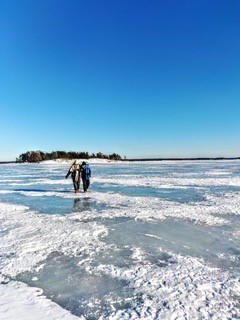
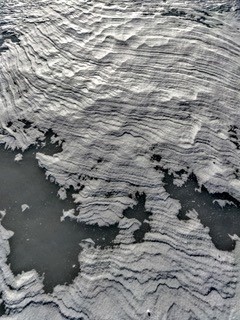
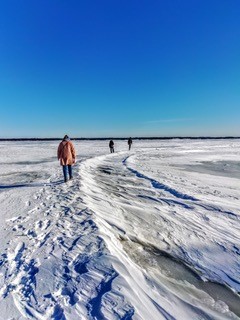
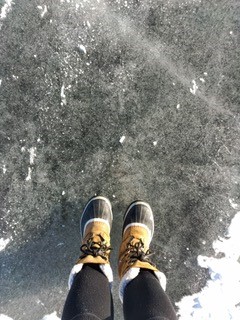
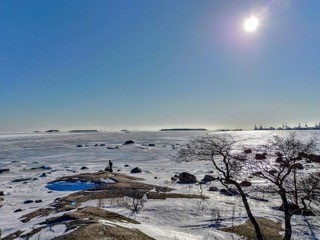
This week we went on a little adventure and crossed the frozen Baltic Sea to visit Fort Elizabeth near the island of Kotka. The fort is part of the Ruotsinsalmi sea fortresses and was named after the Russian Empress Elizabeth Petrovna (monarch from 1741 to 1762). Fort Elizabeth is an irregularly shaped fortress that follows the coastline and is open to the island of Kotkansaari.
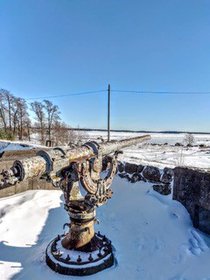
It was built during the first construction phase of Ruotsinsalmi in the years 1790 to 1796, originally on two small islands. Together with Fort Salva, which was located on the island of Kukouri, it protected the sea approach to Ruotsinsalmi (the predecessor of City Kotka) from the west and south. The fort was decommissioned at the beginning of the 19th century and the island gradually became a recreational area for the inhabitants of Kotka.
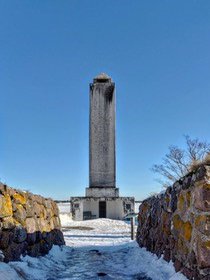
During the last wars, there was an anti-aircraft battery on the ramparts of the fortress, and anti-aircraft guns were later brought here as a reminder of that time. In 1940, a monument designed by Henrik Bruun was erected at the eastern end of the island, commemorating the second naval battle of Ruotsinsalmi in 1790. In the 1960s, a restaurant was built inside the north-eastern fortress walls, which is still preserved today and can be visited by boat in summer or in winter when the sea freezes over.


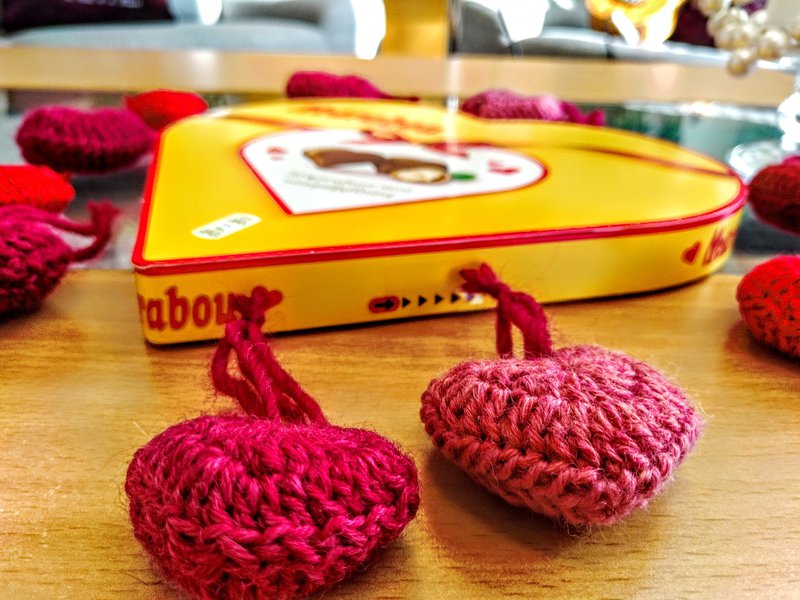
Today is International Women's Day and this is a day to fight for equality and remember those who have died for us in the process. After the idea emerged from the labour movement in the USA in 1908 and was recognized as an annual event by the United Nations, Women's Day was made official at an international conference of working women in Copenhagen in 1910. It was first celebrated in Austria, Denmark, Germany and Switzerland in 1911. In 1975, the United Nations recognized March 8 as an international holiday. This date was chosen because it was the date of a strike in Russia when women demanded "bread and peace". Four days after the women's strike, the Tsar was forced to abdicate and the provisional government granted women the right to vote.
Finland was the first country in the world to grant women full political rights in 1907. In 2017, the new International Prize for Gender Equality was announced, highlighting the country's role as a pioneer in gender equality issues. As one of Finland's most cherished values, gender equality has been one of the key ways in building the nation to the strength and prosperity it enjoys today. Studies show that countries where women play a strong role in society are the most sustainable financially, socially and environmentally. Solutions to the world's problems will not be found without equality and inclusion of all genders in decision-making. In 2019, Finland elected a new coalition government led by five women.
This year, the theme of International Women's Day is "Women in Leadership": "Achieving an equal future in a Covid-19 world". UN Women Executive Director Phumzile Mlambo-Ngcuka said: "We need women's representation that reflects all women and girls in all their diversity and with all their abilities, in all cultural, social, Buisness and political situations. This is the only way to achieve real social change that includes women equally in decision-making processes and benefits us all." "Gender parity will not be achieved for almost a century," says the IWD campaign, citing the World Economic Forum, "none of us will see gender parity in our lifetimes, and many of our children probably won't either." UN Women data shows that the coronavirus pandemic could undo 25 years of increasing gender equality. Women are taking on significantly more household and family tasks as a result of the pandemic, which in turn could affect work and educational opportunities.
This is why this year's International Women's Day is all the more important, even if it is high time to make every single day of the year Women's Day.


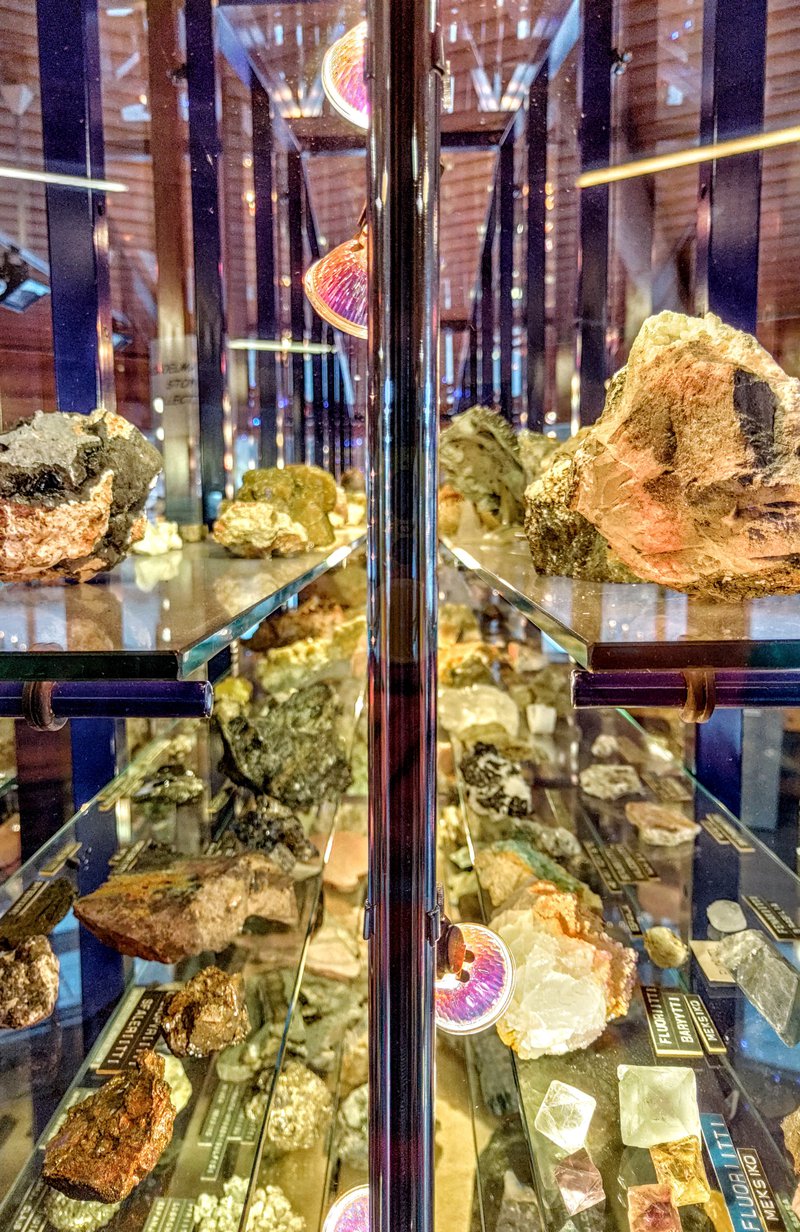
Ylämaa of Lappeenranta, 35 km south of the city center, lies entirely on the Viipuri rapakivi granite area. The bedrock of the area consists mainly of brown and green Ylmämaa granite. Ylmämaa is also home to spectrolite, the "Finnish national treasure". Spectrolite, with its magnificent rainbow colors, is the world's best-known gemstone originating in Finland.
The annual volume of granite quarried in Ylmämaa reaches 1.5 million tons, with a total value of 20 million euros. Every year, 90,000 m3 of granite is exported from Finland, 45,000 m3 of which comes from Ylmämaa.
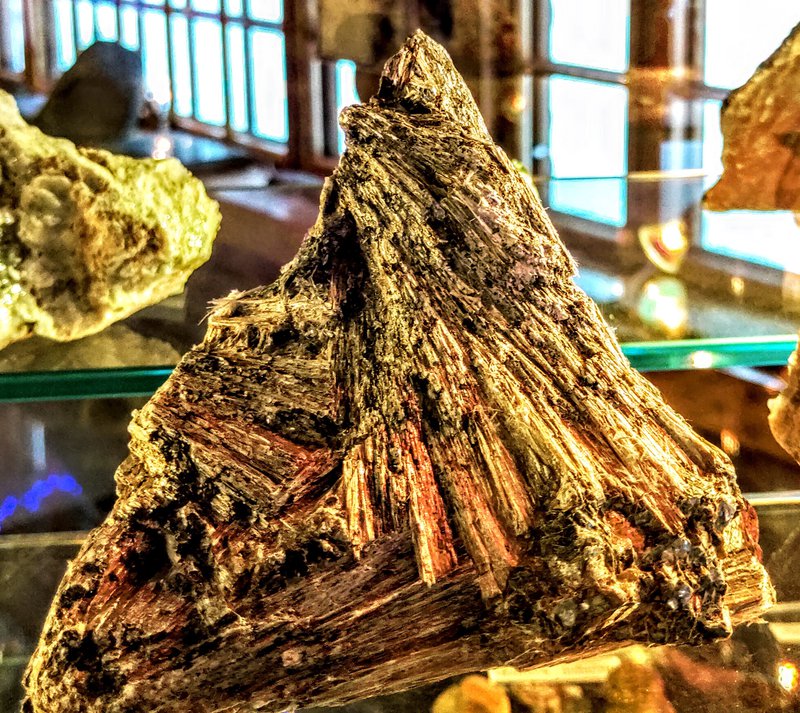
The largest employer in the region, the stone and gemstone industry, is the pride of the locals. Its beautiful stones have also inspired several successful projects in the Areas of Education, mineral tourism and use of stone in landscaping.


Do you actually know why snow crunches when you walk on it? Millions of tiny ice crystals break with every step. If an ice crystal were to break, we wouldn't notice a thing. However, due to the incredible amount of ice crystals that we "break" with every step, we can hear it! That sounds kind of sad, but it's also pretty cool! :D
Ice crystals
Winter conjured up a glittering splendor of
ice crystals in nature overnight -
as a glittering world of frost and ice
everything shimmers so frosty white.
The frost has turned the plants into icy works of art with cutting cold and power
.
In the freezing cold, they stand rigid
and look magical and bizarre.
2005 Media Workshop Mühlacker; MF
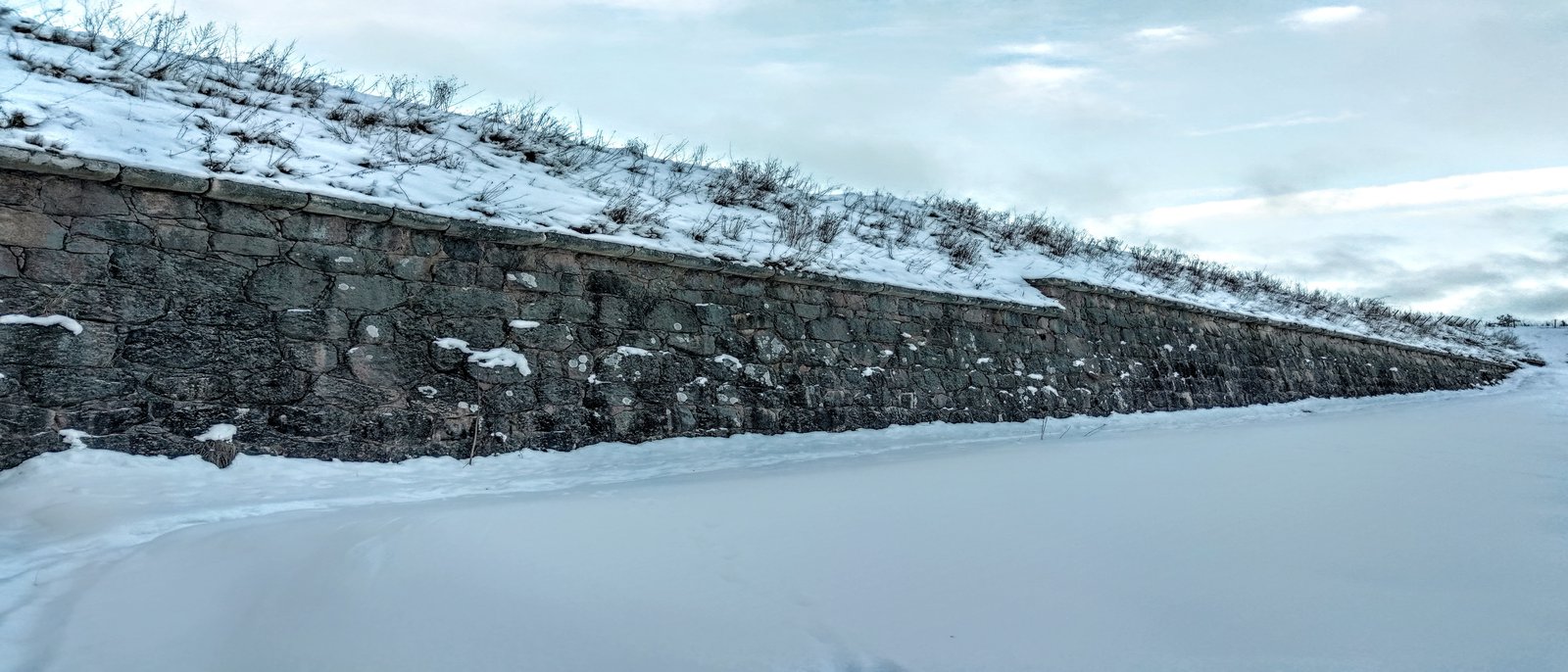


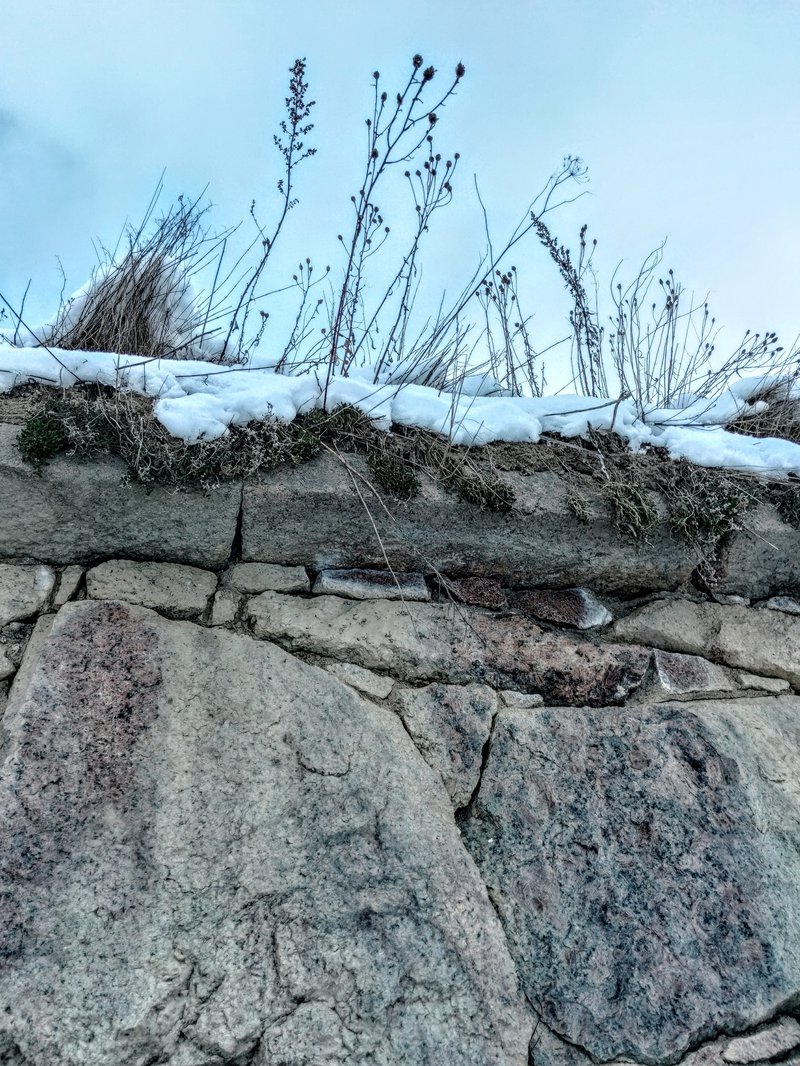
With every walk, I explore the nature and historical landmarks around our home a little further. For example, I recently discovered Kymininna Fortress, which was first built in 1790 and was located in what was then Russian Finland near the Swedish border. The fortress was part of a chain of defenses designed to protect the then capital of Russia, St. Petersburg. After Finland gained its independence in 1917, the fortress served as a training center for the Finnish Red Guard during the Finnish Civil War, and also as a refugee shelter for Finnish Ingrians and Karelians. During the Winter War in 1993 and until 2005, the fortress was again used for military purposes. Today you can visit it as a historical monument and walk around its extensive grounds.


One of the many privileges of ERASMUS life in Finland is experiencing the Finns' strong focus on sustainability. In addition to the intact nature, including well-preserved forests and beautiful hiking trails, there are also numerous second-hand stores here, for example. Unlike so often in Germany, these are not just limited to clothing, but offer almost everything you can buy in normal stores, just second-hand. Even though I have certainly not been able to discover all the second-hand stores in Kotka yet, I have already been to five different stores, two of which are bigger than most stores at home! When we arrived here in the fall, we found a very sparsely equipped kitchen and the interior of our bedrooms was limited to a closet, a bed and a desk and chair. The walls were a strange shade of pink, the ceiling light was terribly bright and the mattress on the bed was so thin that after a few nights our backs began to ache. Thanks to second-hand stores and a container on our doorstep, I was able to transform our apartment into a cozy home that I would like to live in for 7.5 months in a short space of time and relatively cheaply. We now have not just a pot, a pan and a set of cutlery, but a whole service and the walls and floor are no longer bare and drab thanks to the carpet and cloths. It's also just fun to wander through the aisles and see what treasures you can discover today!
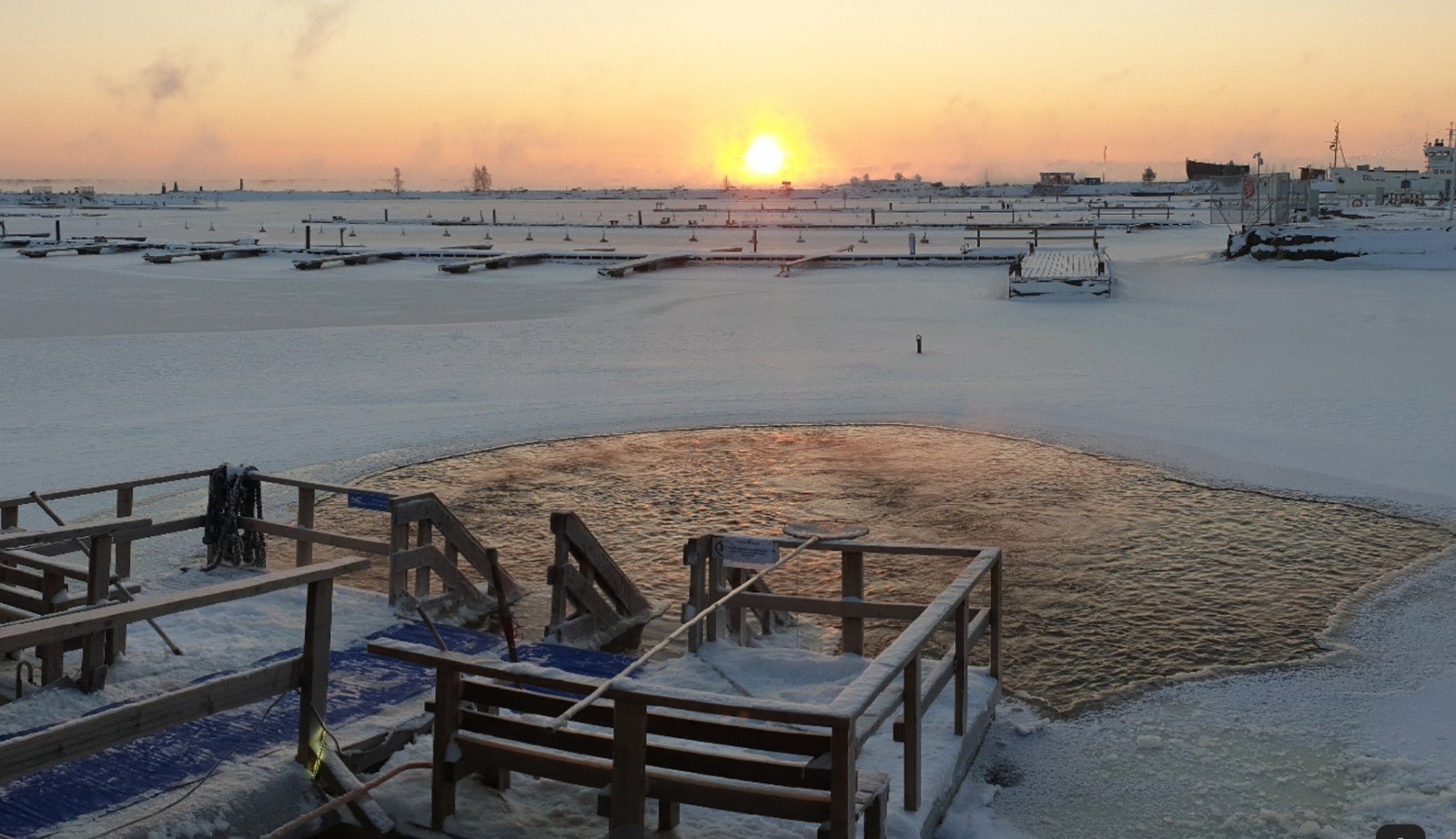
If you want to understand the Finns, you have to go to the sauna!
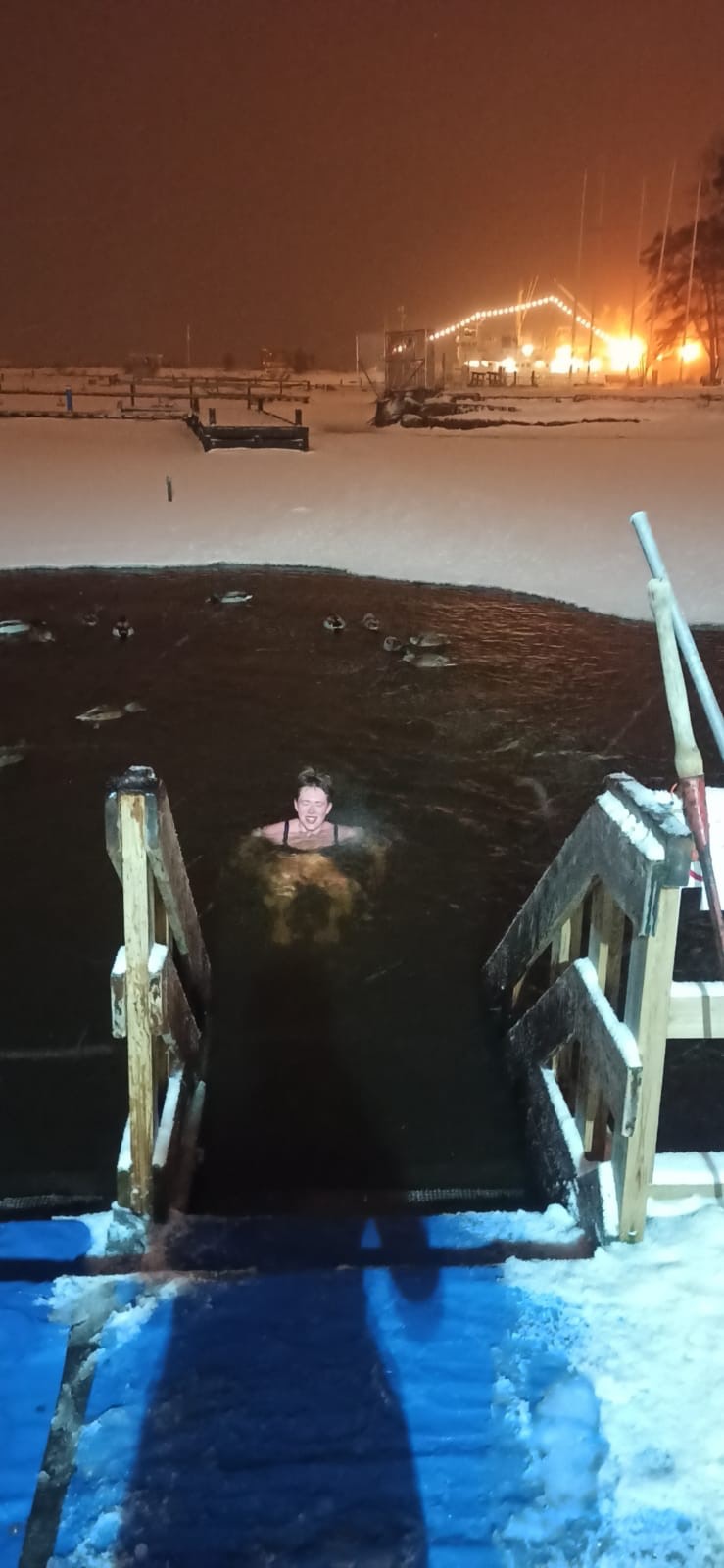
Finnish sauna culture has been a UNESCO intangible cultural heritage since December. This bathing ritual has been practiced throughout Finland for thousands of years, ever since the first settlers dug a trench in the ground and heated a pile of stones. Incidentally, sauna is also the only Finnish word that has been adopted internationally into other languages. The original purpose of the sauna was to thoroughly cleanse the body. The most important part is the löyly, the steam that is produced when water is thrown onto the 500 degree stones with a ladle and evaporates. A popular scent is that of tar, so after the infusion it smells like the inside of an old sailing schooner. The increase in body temperature to up to 39 °C during the sweating phase (artificial fever) has the same effect on the body as a real fever, namely an increase in heat shock proteins and also increased activity of immune cells, which are important for fighting off infections. The sequence of heat followed by a cold bath relaxes the muscles and, in addition to some physiological effects such as a brief strong increase in blood pressure, stimulation of the circulation, metabolism, immune system and respiration, above all has a positive effect on subjective well-being. In its traditional form, the sauna replaces the bath, i.e. the complete cleansing of the body takes place there. Unlike in German saunas, there are hardly any rules in Finnish saunas. The sauna is enjoyed naked or clothed, long or short, warm or hot. The Finns prefer beer as a refreshing drink between sauna sessions and there is even a saying: "If schnapps, tar and sauna don't help, the illness is fatal." Although Finland has only 5.5 million inhabitants, there are about three million saunas in the country, more than the number of cars! Finns don't usually actively seek out contact with strangers, but the sauna has always been an exception: everyone is equal there, and even strangers can suddenly find themselves in unexpectedly deep conversations.
Sauna
To maintain my health,
my body must not get cold.
I've been a sauna-goer for a long time,
and have infusions prepared for me.
We women are used to pain,
ninety degrees, so it's worth it.
Sitting at the top of the bench,
that's where the sweating in the cracks works.
There are only men sitting around me.
Just like me, the turbo connoisseurs.
I don't want to be the first to leave
and shamefully only look down.
Now eucalyptus fumes are hissing!
Wind me into spasms of pain!
And, because I can't see, I shimmy
to the door, - over every strong man.
I drive home with difficulty,
I stand under my shower
and stretch my tired old limbs
into bed - in the morning I have a fever!
The doctor thinks it's the flu
I should do something for my skeleton.
Maybe go to the sauna,
where eucalyptus fumes are wafting!


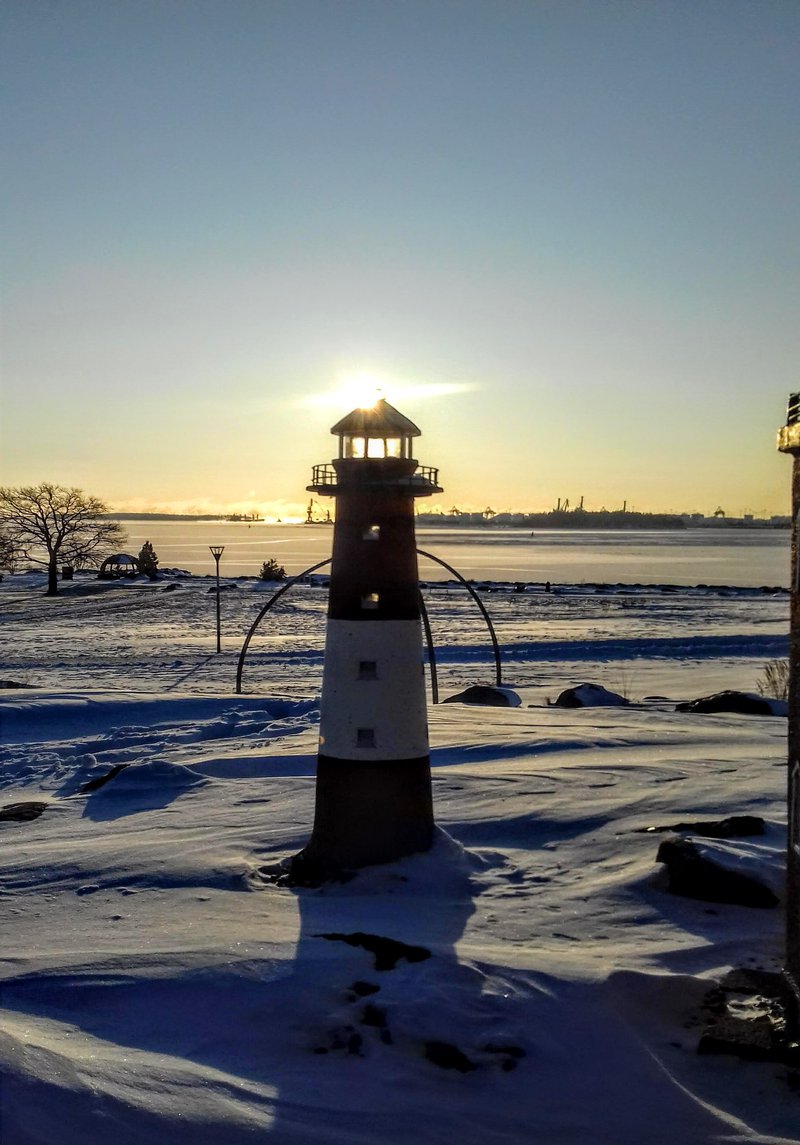
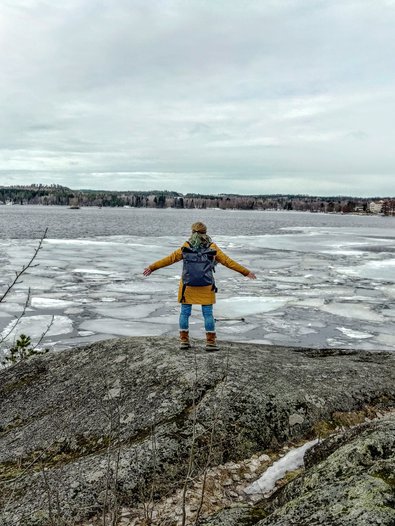
I forgot how much the cold can hurt my face and fingers at -22 degrees! And yet there's nothing better than being out in the sunshine in the beautiful Finnish countryside and just breathing in the icy cold air. The cold, dark months freeze even the general activity level of the population, so that time flies by incredibly slowly and yet terribly quickly at the same time, leaving me with nothing else to do but be swept along by the current and simply let myself drift.


In Kotka, we are currently gaining around 4 minutes of daylight every day. The rainy, gray days are also receding further and further, the snow is piling up and the temperatures are falling further and further below freezing. After a month of no sun at all, this first sunny day at -7 degrees was like balm for the soul and I really enjoyed freezing my fingers and feet off on a long walk. My head and body are equally happy about every ray of sunshine and I now feel recharged and ready for anything! Enjoy every beautiful moment and it will make you strong for the future!
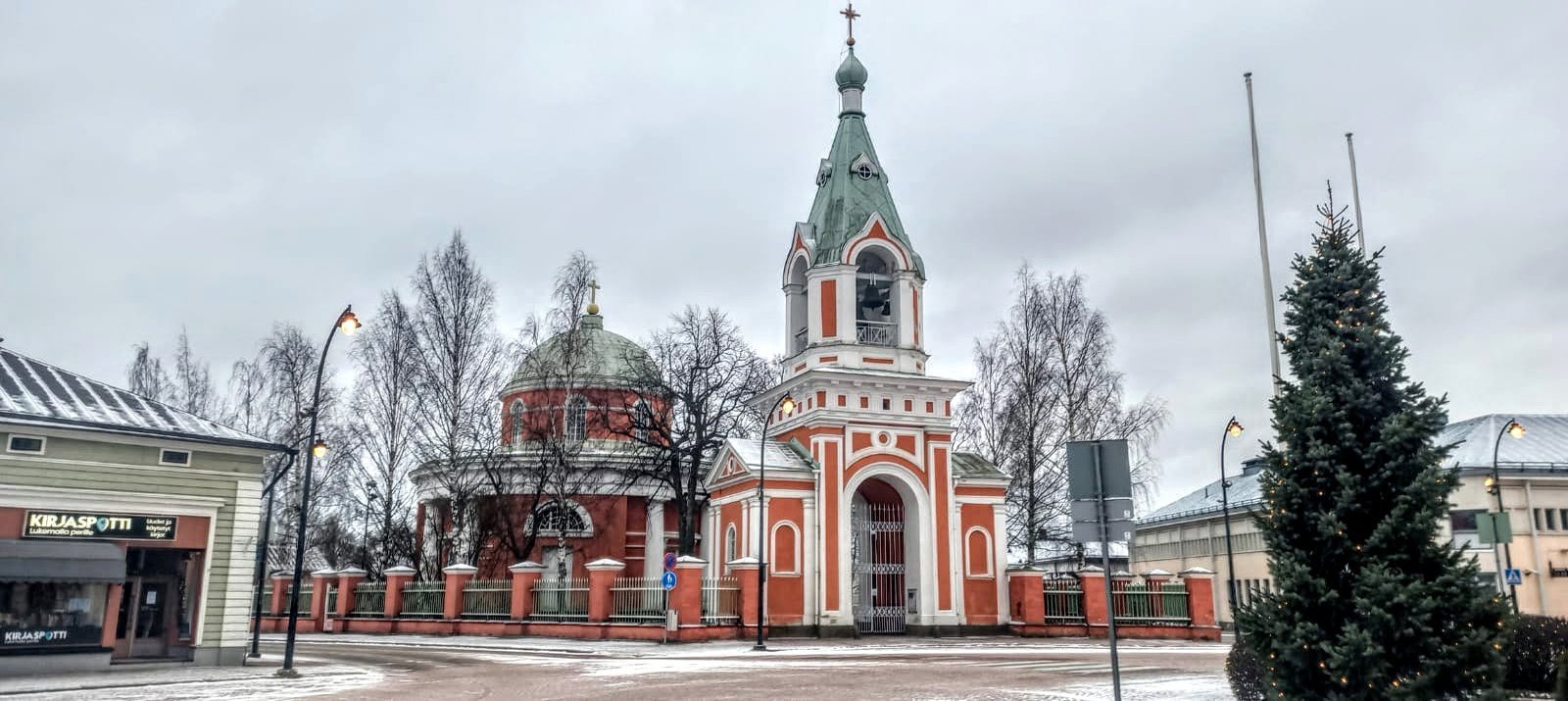


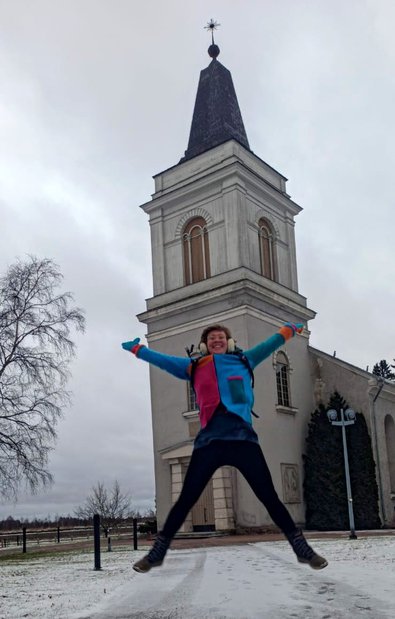
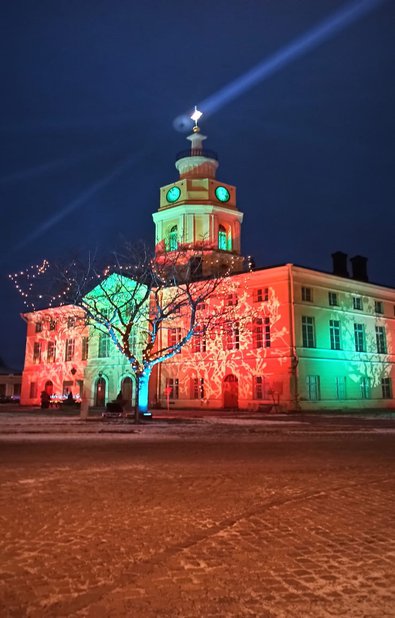
For our last adventure of 2020, we went on a little Christmas trip that took us to the star-shaped fortress town of Hamina, just an hour's bus ride from Kotka. The tiny city on the Baltic Sea is surrounded by a rural idyll and has the large town hall as its centerpiece, which was illuminated for Christmas. Hamina also has the largest Finnish flag and many beautiful old buildings as well as Lutheran and Orthodox churches. This trip was perfect to round off our Finnish, German, Belgian and American Christmas celebrations that we 4 ERASMUS students spent together in our dormitory in Kotka. I am very excited about what the new year will bring and look forward to many more adventures and immersing myself even deeper into Finnish culture. Merry Christmas and a Happy New Year to you all!
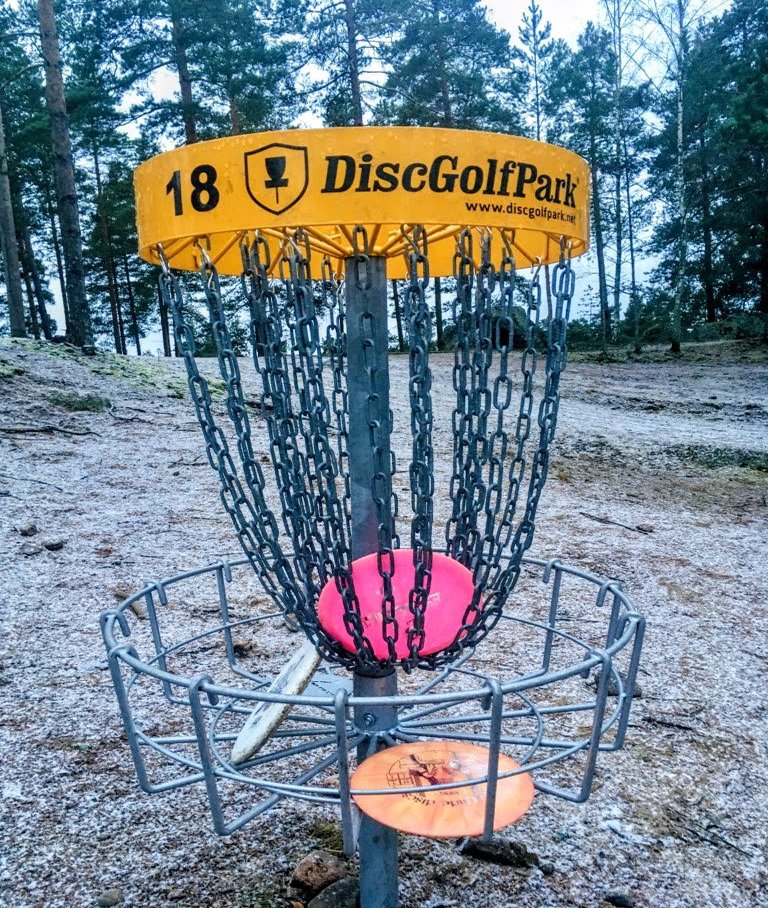
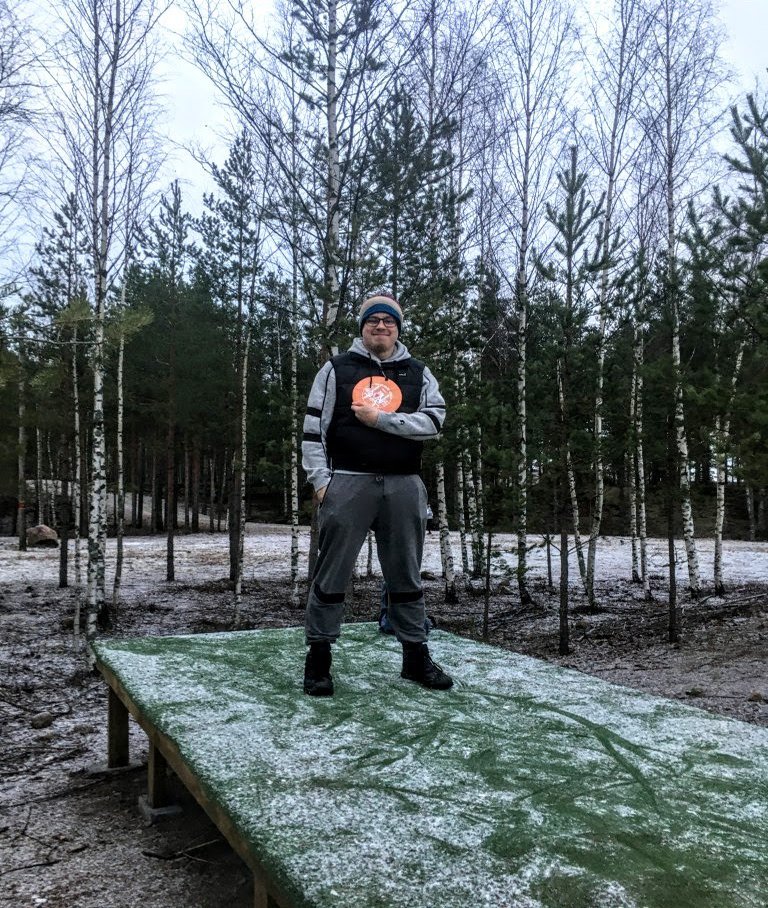
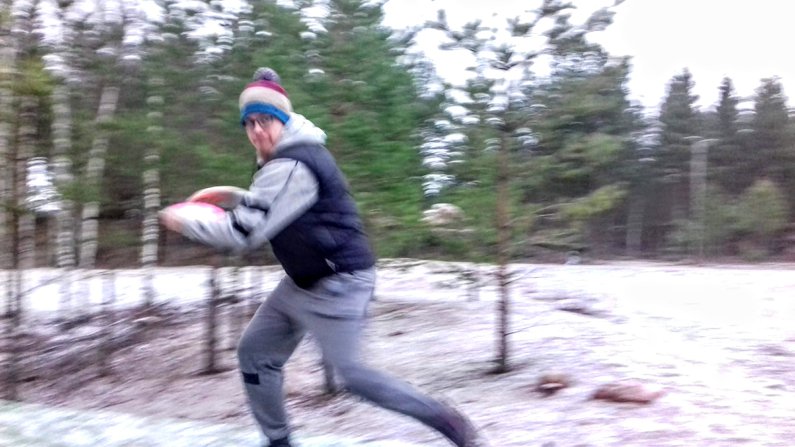
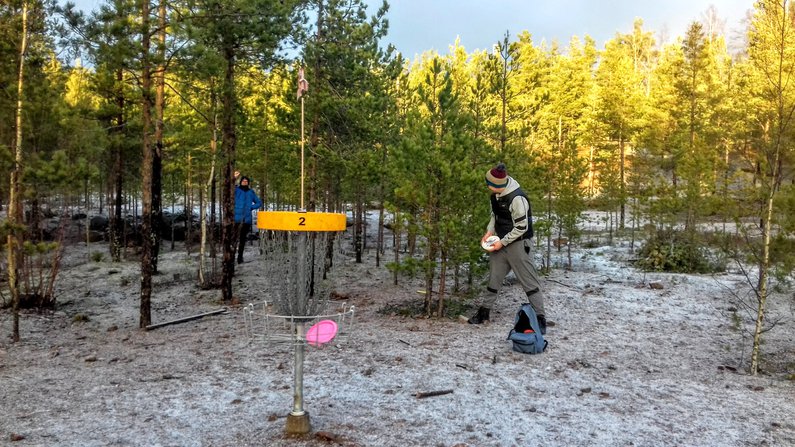
Disc golf or frisby golf is a rising outdoor sport that is easy to learn but remains a challenge no matter how good you get. The game is a mixture of golf (you try to hit the target with as few throws as possible) and frisby and although it was invented in Canada, the game is particularly popular in Finland. In fact, Finland has the second most disc golf courses in the world after the United States, but ahead of Canada, Sweden, Estonia and Germany! Disc golf has gained a lot of attention especially during the lockdown because it allows you to spend time outdoors in nature with friends while keeping your distance. Although the competition season is limited to the summer months, the freely accessible disc golf courses are also visited in the colder seasons, making full use of the 5 hours and 42 minutes of sunlight. We slid around on the ice a lot while playing and hit every single tree between the goal and us, but playing this interesting sport was still a lot of fun and it was easy to understand why so many people are fascinated by it. The level of strategy and technique you can acquire seems almost endless (for example, there are several different discs with different flight characteristics), and yet even I was able to get the Frisby into the goal somehow - just don't ask how long it took me!
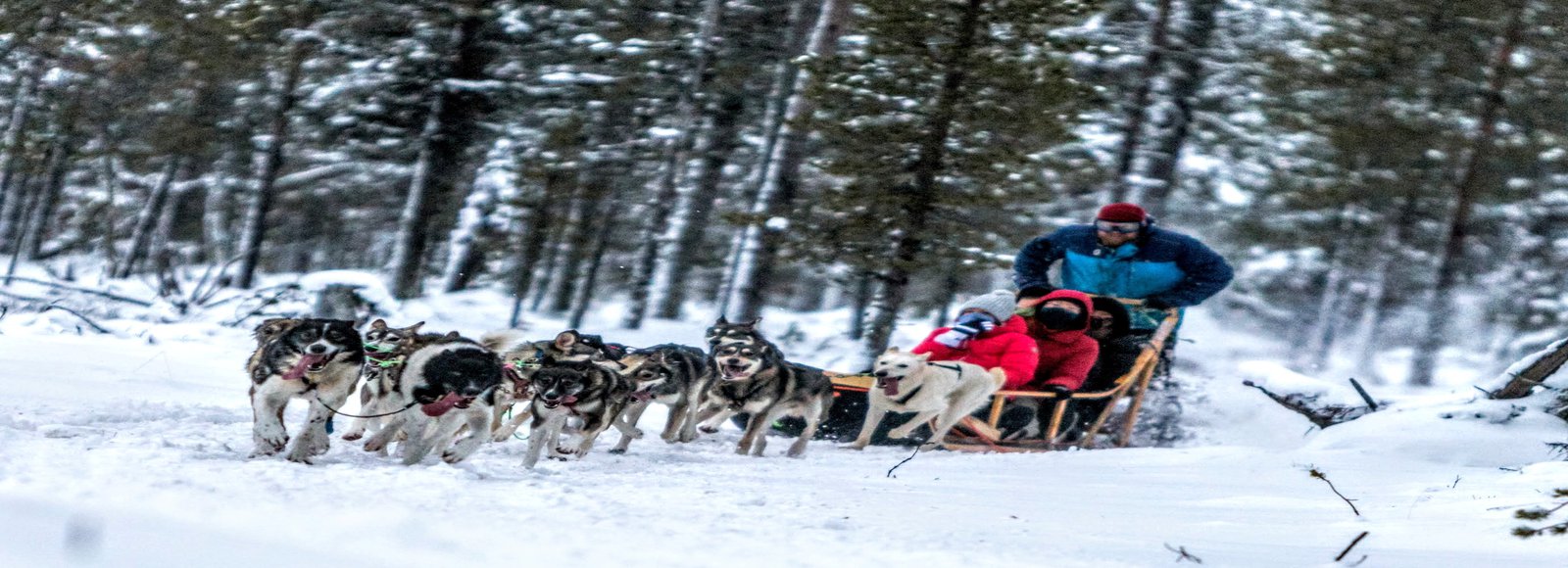


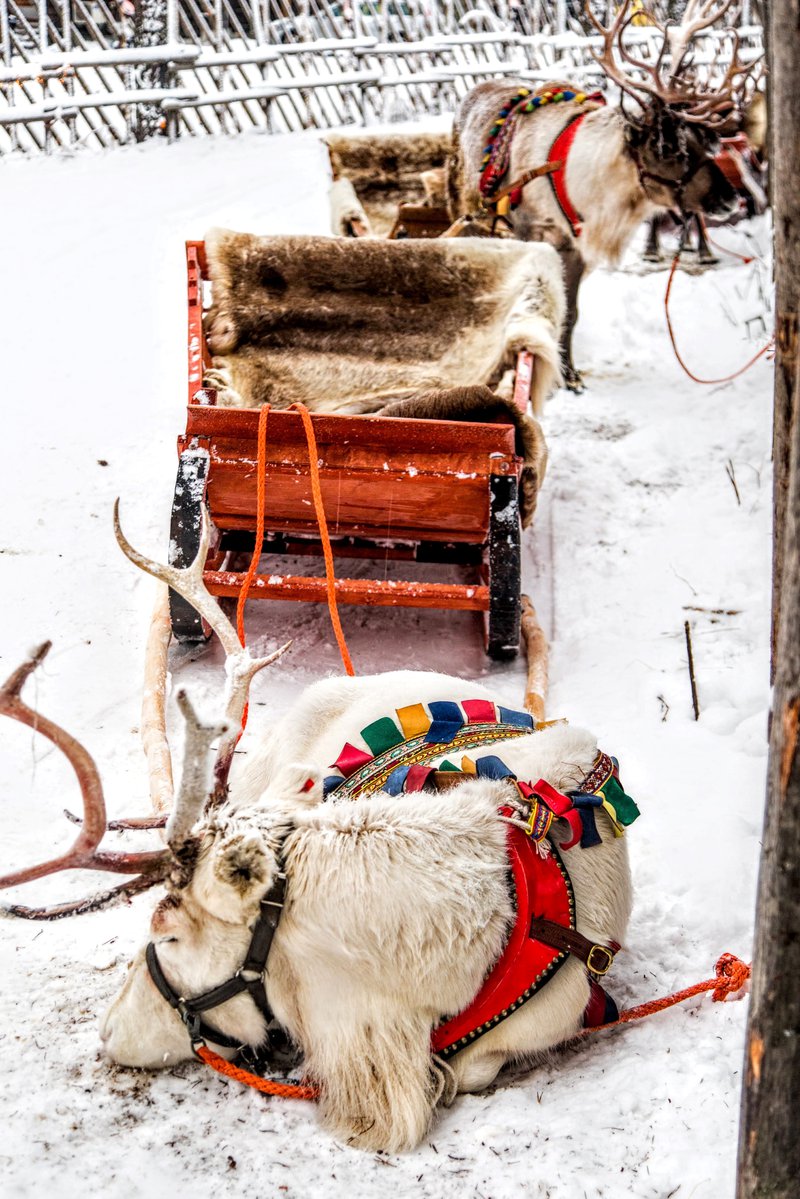
Lapland is a place of boundless natural beauty. Even though I was only there for a few days, it still fueled my sense of adventure and my imagination of living among huskies and reindeer in harmony with nature. The difficult times that people around the world are going through at the moment are probably causing many people to mentally escape from reality and dream of a simpler life.
Nevertheless, I am aware that I - like the many other ERASMUS students in Finland - am extraordinarily lucky to be in this place at this time, and I am enjoying every moment of freedom and carefreeness that I am given here. I very much hope that you too, despite all the circumstances, can experience and cherish such beautiful moments. After all, these are the best opportunities to feel alive and complete!
Photo credit: @brieuc_v
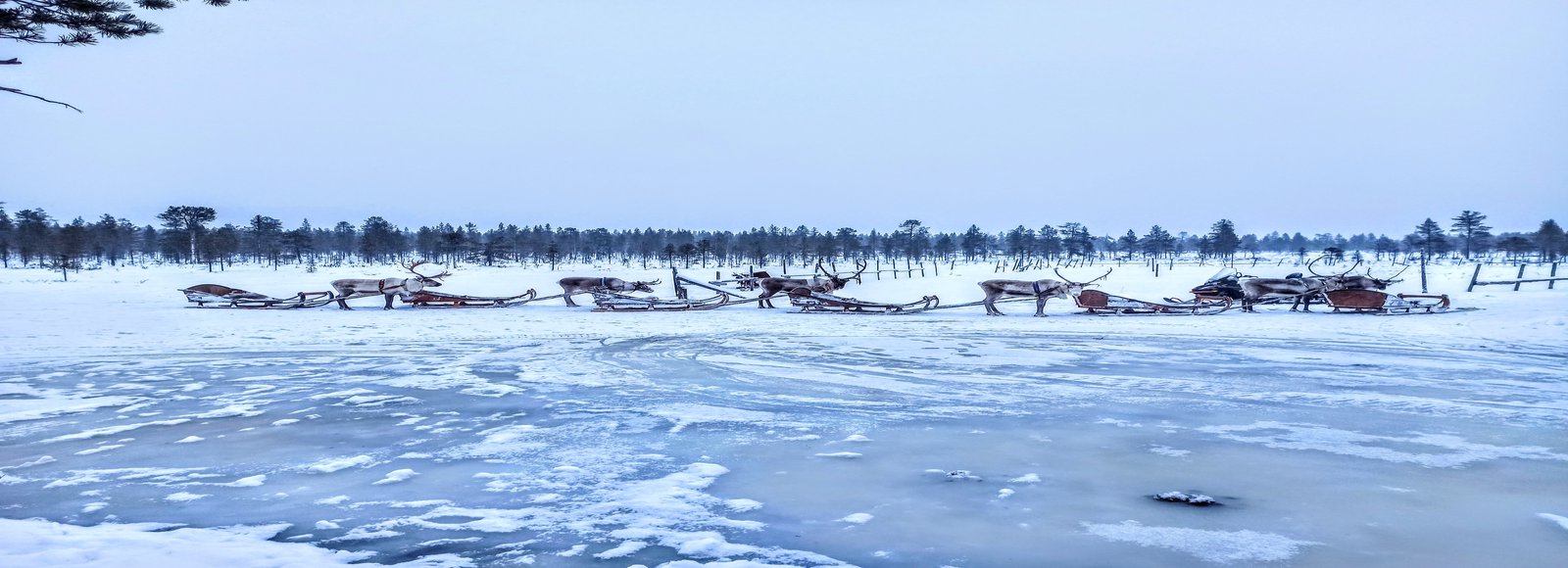
Where the sun never rises, the snow buries the landscape beneath it, where the ice crystals stand in the air and the reindeer roam the ancient forests in winter - that's where Santa Claus is at home. However, the Sami - the only indigenous people in Europe - have lived here for much longer, maintaining their culture and reindeer herds, preserving their language and safeguarding their heritage for the next generation. The experiences of the last week were unique and indescribable, because Lapland has a very special magic that surrounds everything.


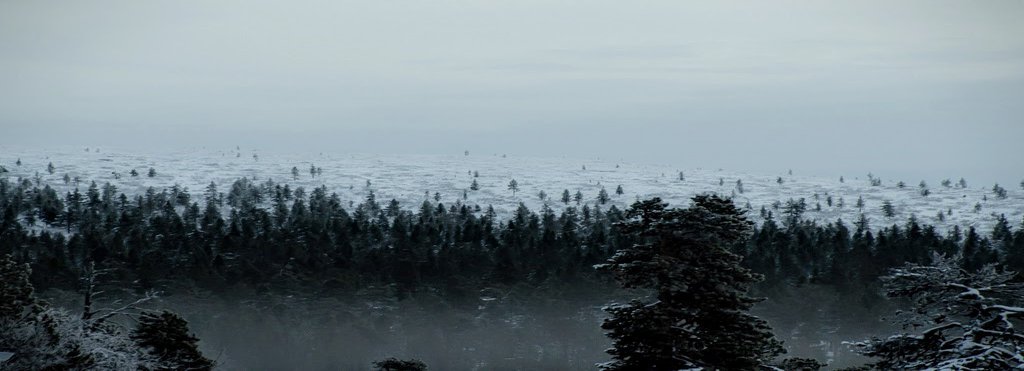
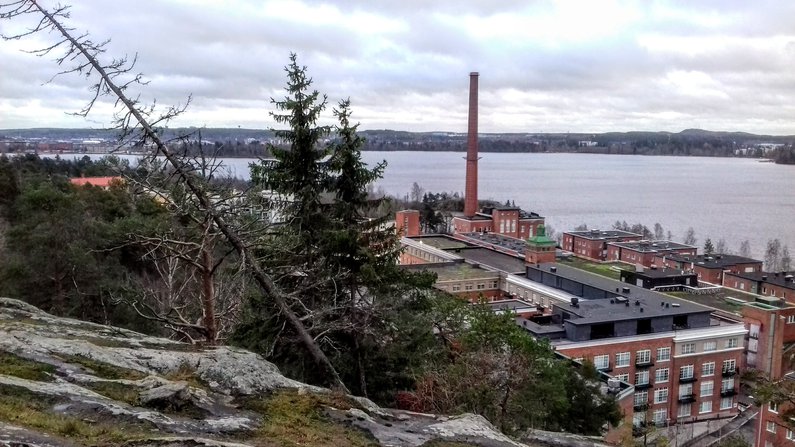
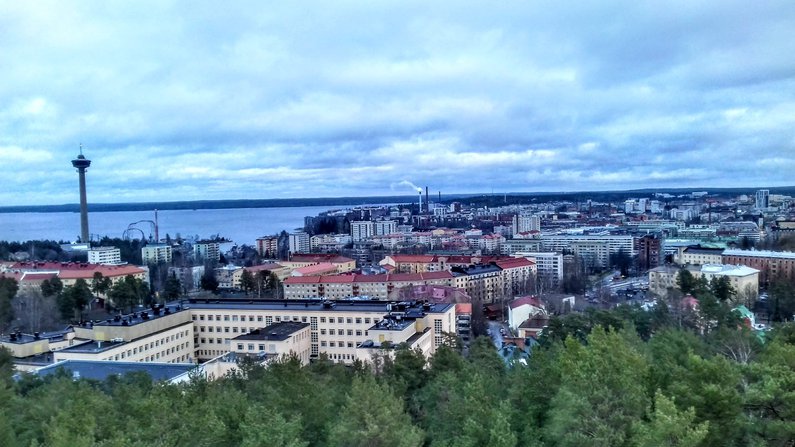
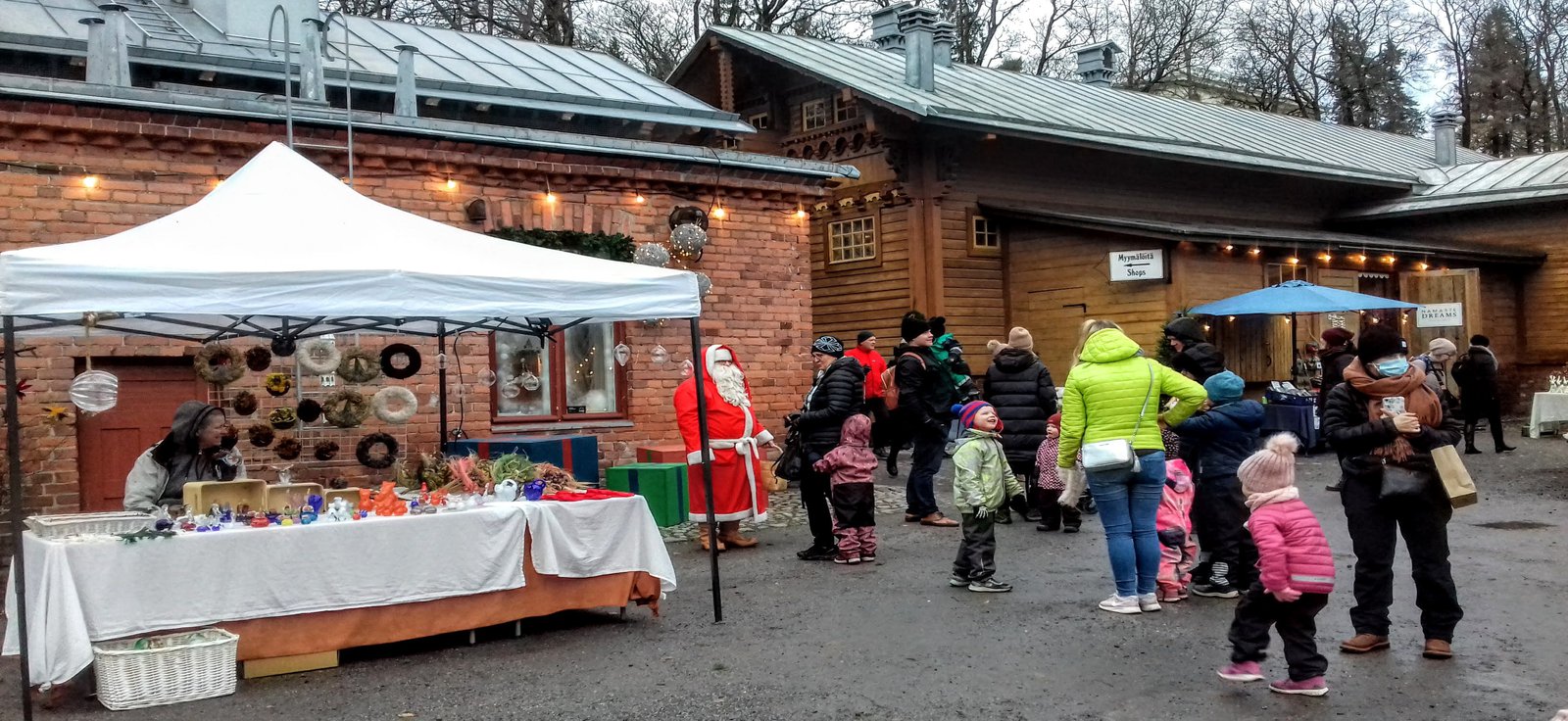
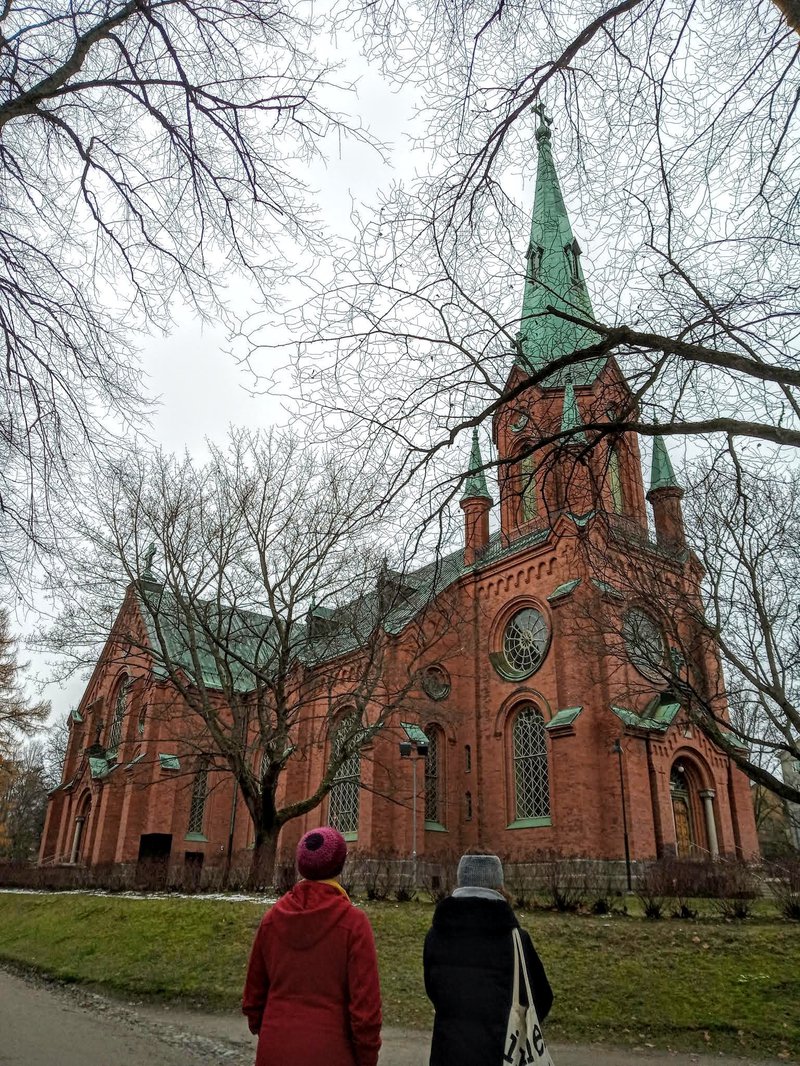
Our explorations of the country took us to Tampere last weekend, the third largest City and the fastest growing industrial city in Finland. Tampere lies between two large lakes and has a very unique character with its wide streets and many parks. The beautiful public sauna - with access to the river below the rapids, of course - offers a nice place to relax. Only the strange smell of the historic paper mill and its tall chimneys remind you from time to time that Tampere is still very industrial. The first paper mill was built here in 1783, the first cotton mill in 1820 and the first light bulb factory in 1882. On Sunday morning, we strolled through a small Christmas market, where the children were just bustling around to say hello to Santa Claus. From the high tower outside the city we got a beautiful view over the city and the lakes and the market hall in the youth style was also well worth seeing. Tampere also has the only Moomin Museum in the world - something the Finns are very proud of and well worth a visit.
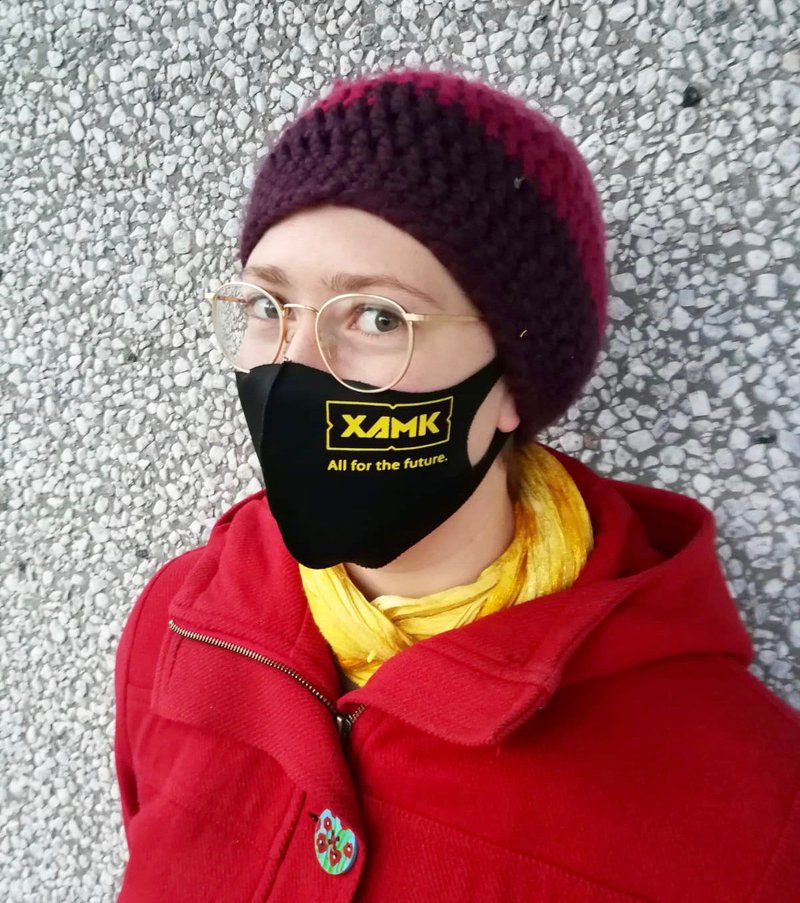
Today I would like to report on the current coronavirus situation in Finland, which is very different to what I am used to in Germany. Even before we arrived, we already knew that we would have to go into 'voluntary' quarantine in Finland for 10 days. It was difficult to get an exact definition of how this should be implemented in concrete terms, because all the 'rules' were merely suggestions that we were supposed to implement on our own responsibility and at our own discretion. When we arrived in Helsinki in mid-October, there were almost no checks and although we were not allowed to enter the country for tourist reasons and had therefore brought our confirmation of study with us, this was never checked either. Very few people wore a mask on the suburban train and bus - only social distancing is rarely a problem in Finland. Despite the quarantine, we were allowed to move around freely and even go shopping, but we were not allowed to go to university and were advised not to use public transport and to avoid unnecessary social contact. During our first visit to a café, we were not asked for our contact details and there were also clear differences for us at the university. For all first-semester students, the courses take place normally in person and we even have a lecture with 40 participants in a small closed room - without masks, without distance, without name lists.
Why is that? It is by no means true that the coronavirus does not exist here or that the Finns are pretending that they are not affected. However, the handling of the pandemic is more relaxed in every respect and so far Finland has fared very well with its strategy. However, this is no coincidence, but rather the result of a combination of various factors, which I would now like to get to the bottom of.
The infection figures in Finland are among the lowest in Europe and the death figures also remain at a very low level, even though the infection curve is not particularly different from that in Germany.[1] Yesterday, for example, there were exactly 120 people in hospital throughout Finland due to coronavirus, of whom only 15 required intensive care[2].
One reason for this is Finland's remote geographical location and low tourist traffic, which ensured that the lockdown at the beginning of the pandemic did not come too late here, as was already the case in other countries. The relatively strict border and school closures were extremely effective and the incidence of infection was limited from the outset. Finland is also often referred to as the "EU's prepper country" because it is the only EU country to have stockpiled a large number of medical supplies and thus never got into the emergency situation that threatened many other countries when masks, protective clothing and ventilators suddenly became unavailable. The reason for this is Finland's wartime experience over the last 100 years and its proximity to Russia.[3] Furthermore, Finland is generally quite sparsely populated and has many alternative areas where people can easily avoid each other, and the natural distance that Finns already keep from each other in everyday life and the limited social contacts have also had a positive effect on limiting infection. All large gatherings of people have been banned and, with the help of official recommendations, Finns have changed their public life on their own initiative without the need for official monitoring. A mask requirement, for example, is not possible for legal reasons alone, because Finland has no law comparable to the Infection Protection Act in Germany that would allow such requirements. And as far as the stamina of Finns is concerned, they have a national specialty: "Sisu". Sisu is an inner strength - an iron determination to persevere and not give up. In short, exactly the kind of resilience we all need right now. Sisu has a mystical, almost magical meaning. It is not a temporary courage to face life, but the ability to maintain this courage. It stands for the philosophy that what needs to be done will be done, regardless of the cost.[4]
After only a month and a half, it is hard to comprehend what life in Germany must feel like with the new regulations and restrictions, and I am very happy to be living in this country at this time.
[1]https://www.statista.com/statistics/1102255/cumulative-coronavirus-cases-in-finland/
[2]https://thl.fi/en/web/infectious-diseases-and-vaccinations/what-s-new/coronavirus-covid-19-latest-updates/situation-update-on-coronavirus
[3]https://www.nytimes.com/2020/04/05/world/europe/coronavirus-finland-masks.html
[4]https://www.arcticdirect.co.uk/coping-with-covid-19-the-finnish-way/
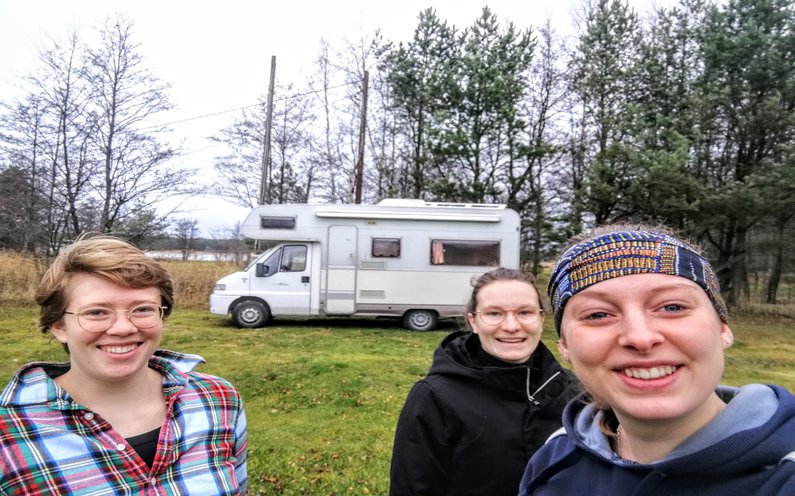
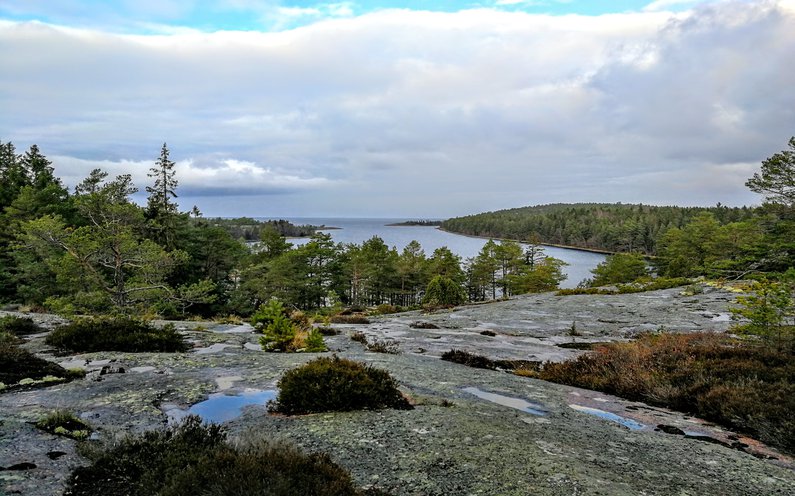


This week we took another exciting trip to Turku and the Aland Islands. There we were very lucky to have found an old family camper van on Air bnb, which allowed us to explore the beautiful, autonomous, Swedish-speaking island freely! We learned about the island's history as an important Russian military post at the turn of the century and visited an open-air museum near the castle. The City of Turku was also very interesting to visit for me personally, especially because it is home to the whale-tale fountain "Harmonia", which was built by the German artist Achim Kühn, where my father did his apprenticeship as a metal artist.
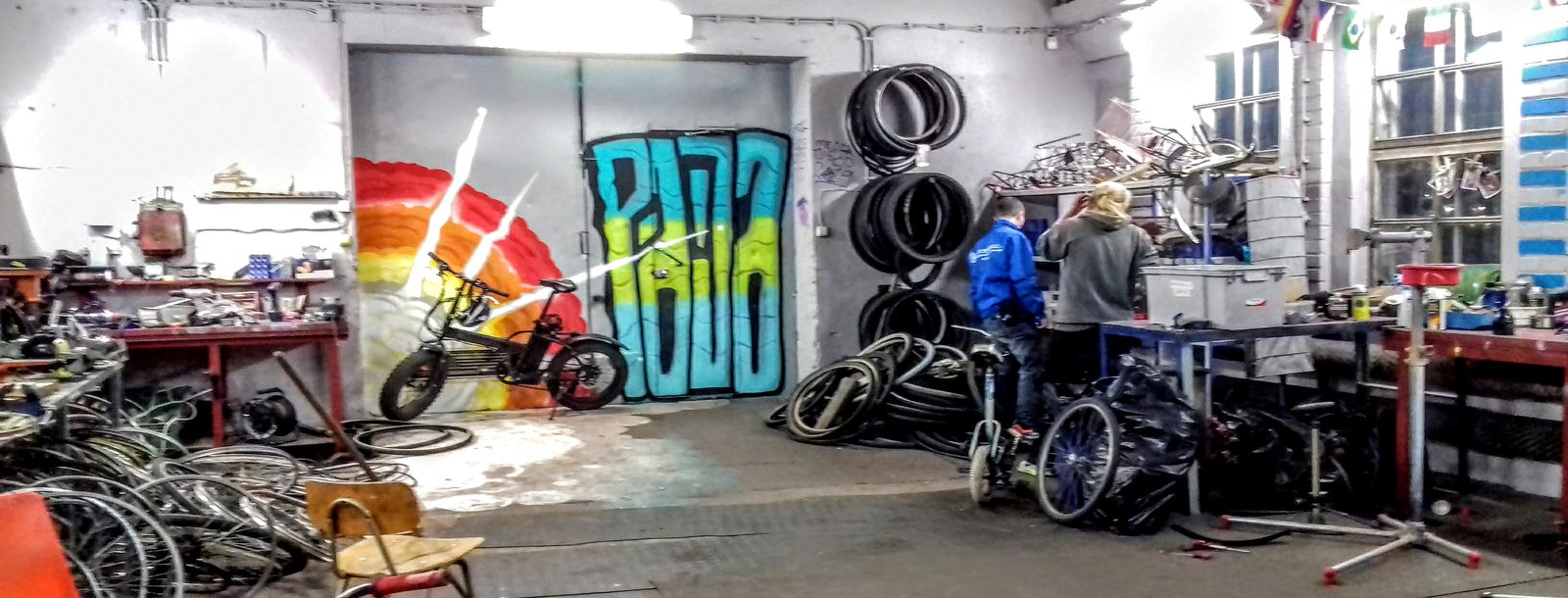
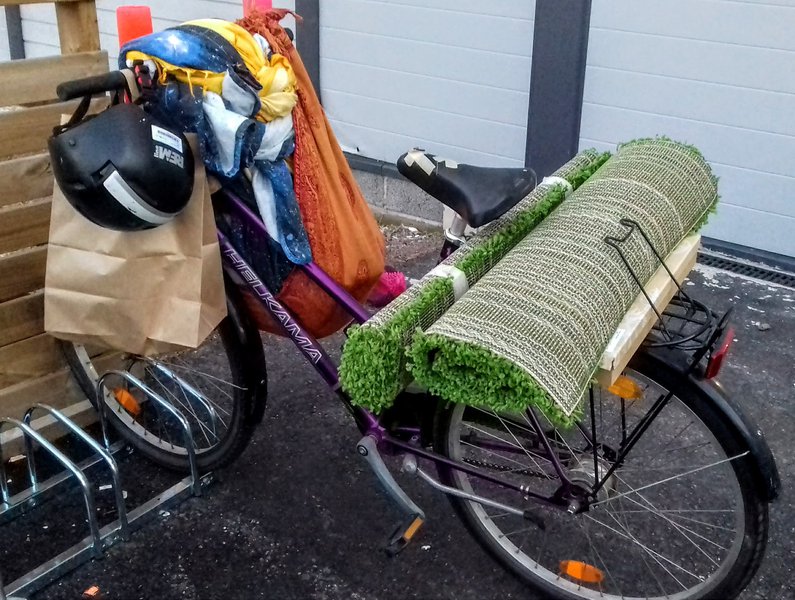
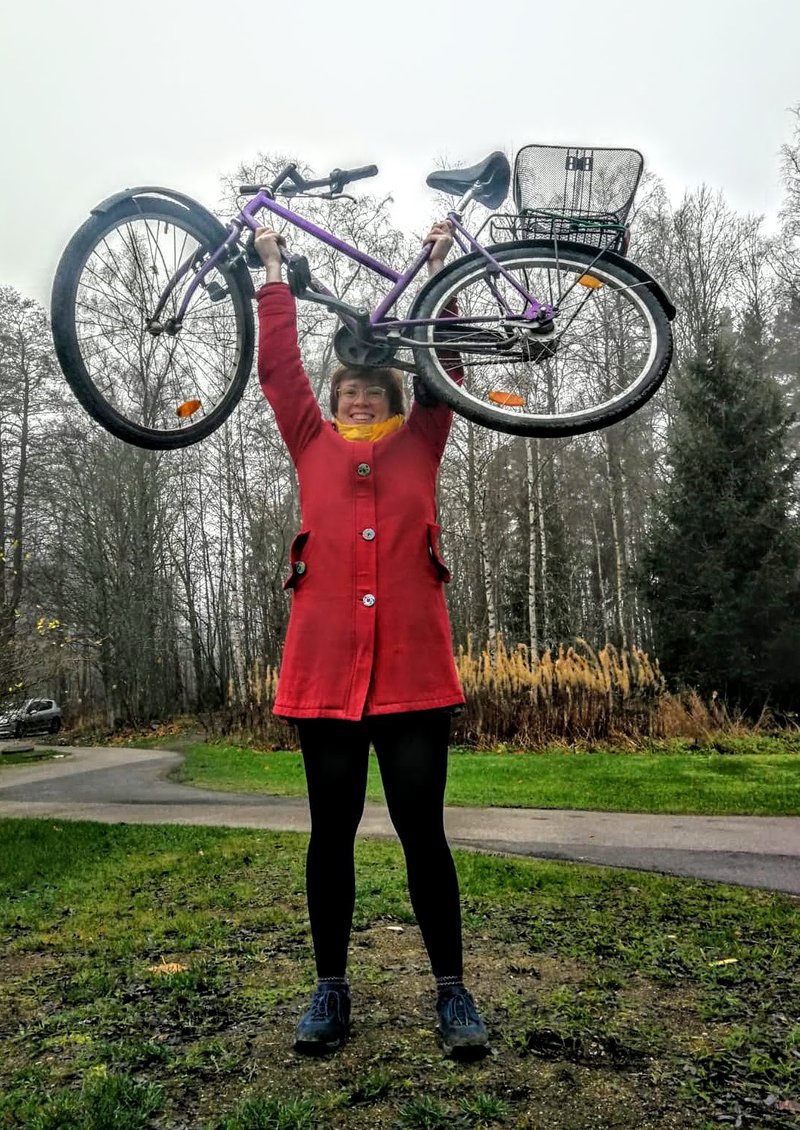
Today I would like to take the opportunity to thank my most useful friend: MY BICYCLE!
All five of us Erasmus students got free bikes within the first week of our arrival by going to a great place here in Kotka called "Bicycle Kitchen". This is a group of people who collect old broken bikes and give others the opportunity to come to their workshop and fix them together with volunteers who know more about bikes than we do. Thanks to them, it is very easy for us to get around because even though we live close to campus, the city center is 25 minutes away by bike and without bikes we would have to take the bus. We were even able to visit a national park 25 km away, which would have been too far on foot. The way there was quite adventurous as we had to ride on muddy and slippery paths through a forest, but luckily our bikes have never let us down! Of course, they also act as pack mules when necessary ;)
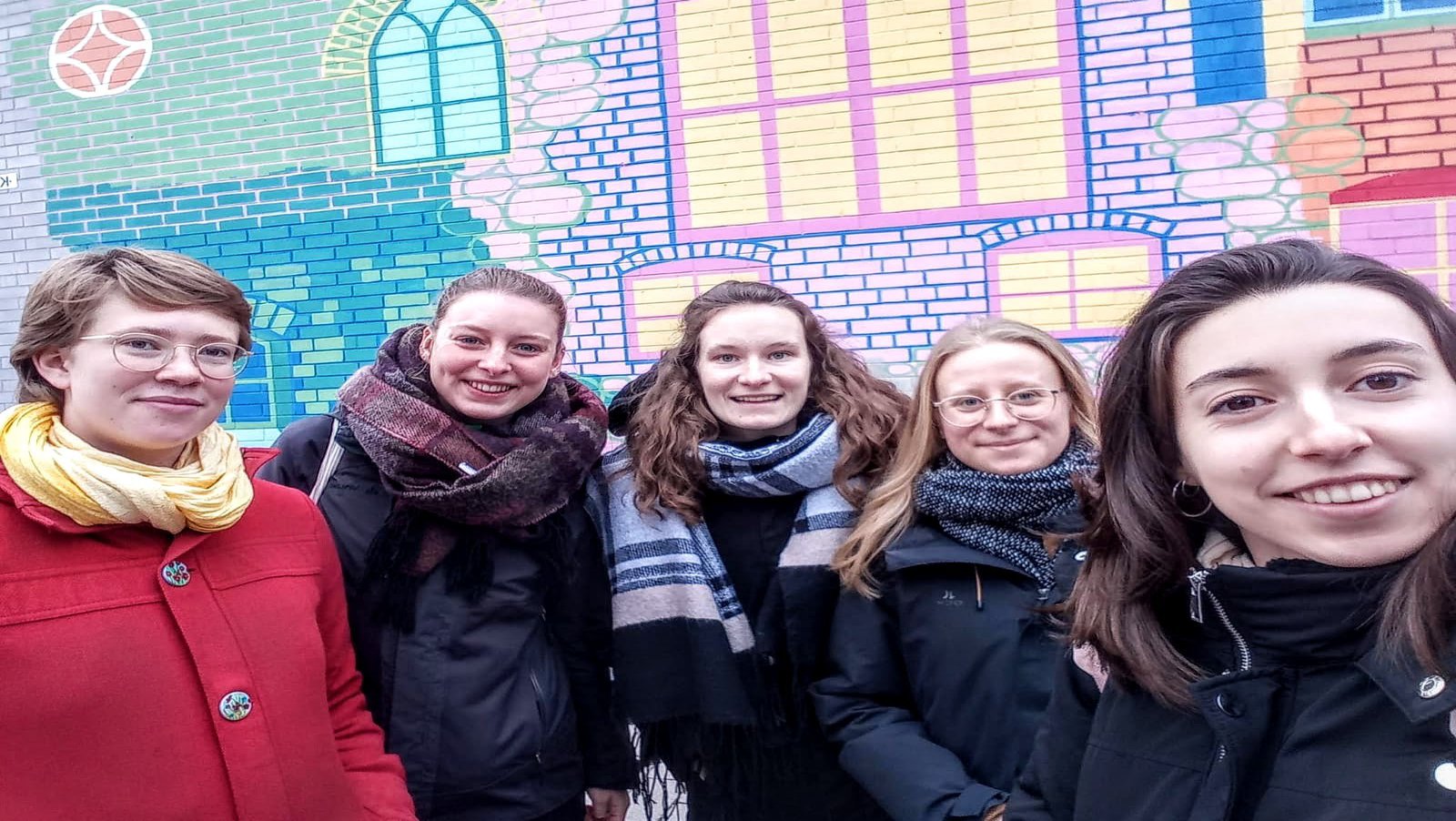
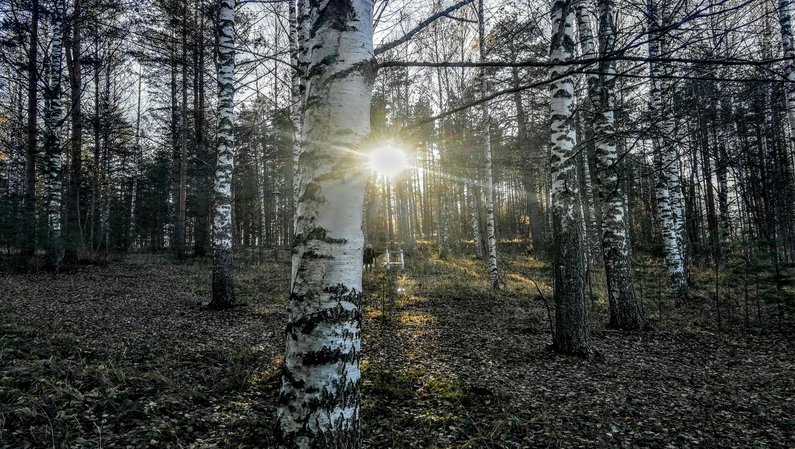
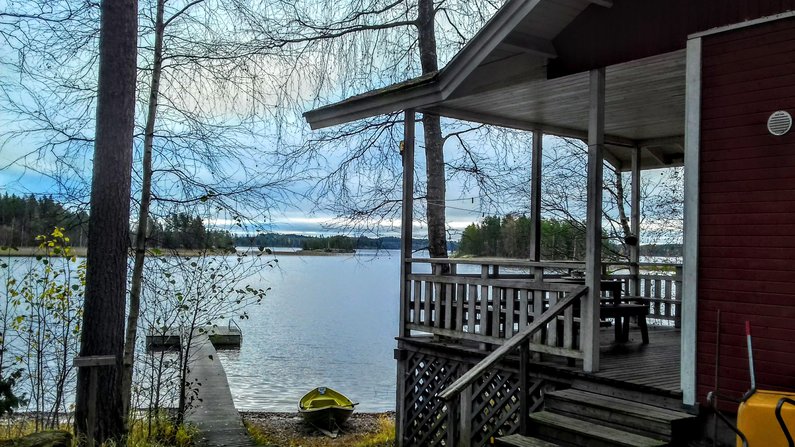
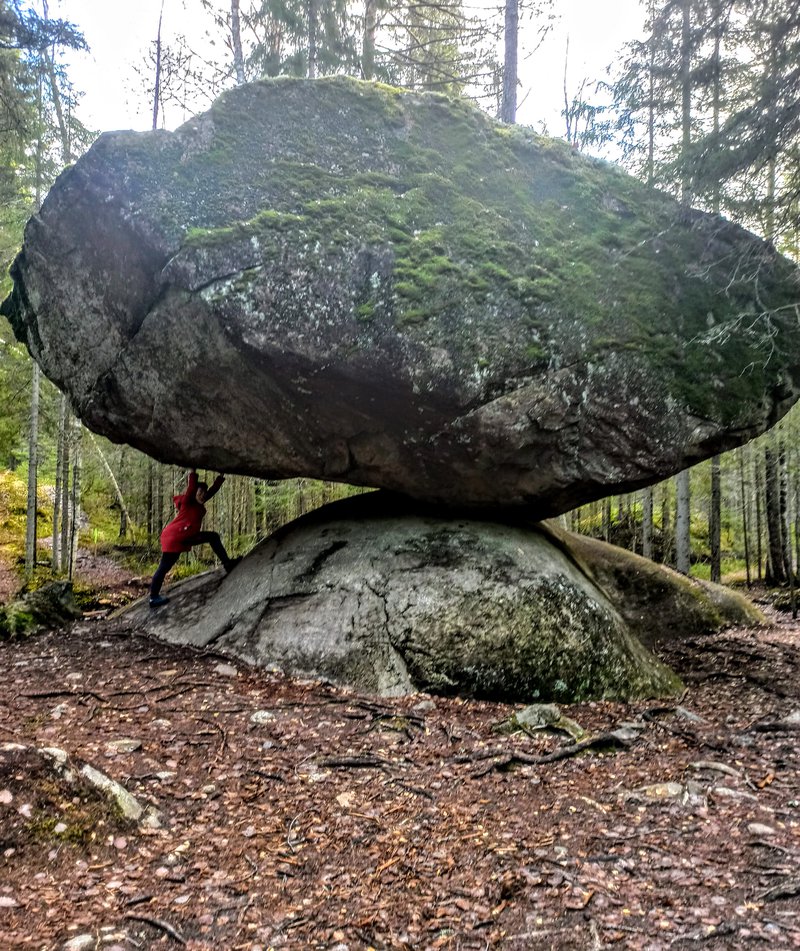
Last weekend we had our first "Finnish adventure", where I set off with four other ERASMUS students in a rented car to a red wooden cottage in the forest, about 2 hours north-east of Kotka. We had our own jetty to the lake right in front of the house, the air temperature was 1 degree Celsius and after cooling off in the (really cold!) water we were able to warm up again in the house's own wood-fired sauna. We also explored the nearby small town of Lappeenranta, visited various national parks in the Saimaa Lake District, saw our first moose and looked at the "balancing stone". It comes as no surprise to me that the Finns are extremely proud of their forests and lakes, as the whole country consists of nothing but green and shimmering blue nature and is truly breathtaking.
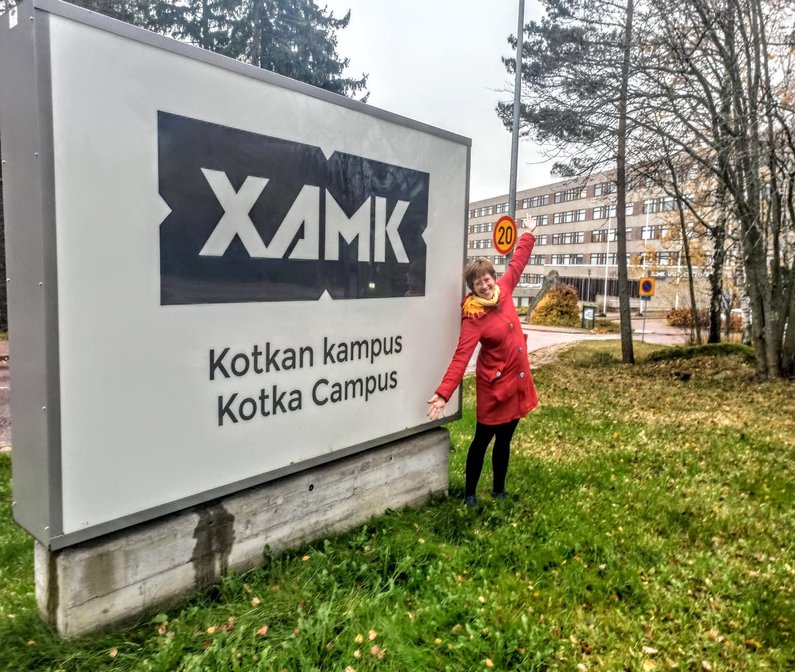
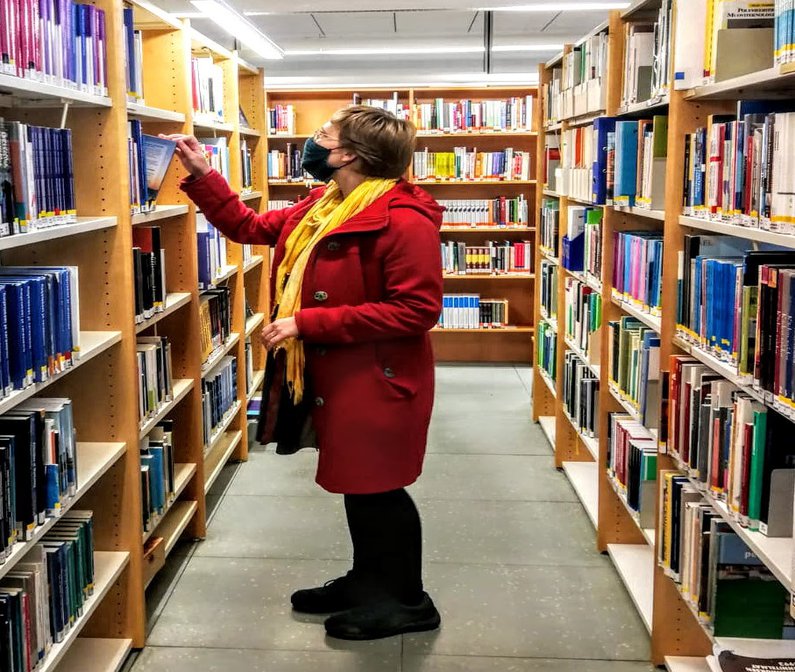
The time has finally come - the semester has started at the XAMK campus! All first-year students and international students have normal face-to-face lectures and I already had my first course with 40 Finns.


Terve! Minä olen Corinna. That means "I am Corinna" in Finnish. I'm studying Social Work in my 5th semester, I've had the opportunity to spend two semesters abroad in Kotka, Finland and would like to share my experiences with you! The lectures and exercises of the winter semester 2020 already started here on September 1, but due to Corona we had to start the semester online and were not allowed to enter the country until October 12. We are only five international students on the entire XAMK campus in Kotka due to corona, but normally around 40 international students register for this location. I set off 45 hours before our arrival in Kotka together with two other German ERASMUS+ students to take the ferry from Travemünde to Helsinki. We spent 29 relaxing hours on the ferry and were even able to use the sauna for free! (Typically Finnish...) It took us two hours by bus from Helsinki to Kotka and by then we had already arrived at our affordable student residence near the university.


