Sustainable value creation

Based on the 1987 report of the United Nations Brundtland Commission, sustainable development is defined as the use of natural, social, and economic resources to meet the needs of present generations without compromising the ability of future generations to meet their own needs. Today, there is a consensus that the three pillars of sustainability—economy, ecology, and social issues—are not independent of one another, but rather are interconnected and interdependent. Sustainable value creation is achieved when the goals of one pillar are met more effectively or efficiently without placing a greater strain on the resources of another pillar. Sustainability is therefore always an interdisciplinary and integrative approach and also addresses the management of conflicting goals.
In light of the profound economic, environmental, and social challenges, companies and nonprofit organizations in particular have a special role to play in implementing sustainability goals. Sustainable management of the value chain not only has a positive impact on people and the environment but can also lead to economic benefits—ranging from better tracking and, consequently, governance of energy and raw material costs throughout the value chain, to resource-efficient production systems and supply chains, sustainable development concepts for social systems, the targeted use of sustainable corporate management tools, to retaining increasingly critical customers and employees. The “Sustainable Value Creation” research and transfer focus area is thus also substantively linked to the 2030 Agenda and the United Nations’ 17 Sustainable Development Goals (UN SDGs). Within the framework of this focus on sustainability, new knowledge and solutions are to be developed for practical problems related to the sustainability transformation of society, businesses, and organizations. The many sustainability projects serve as examples of the areas in which the university can provide support.
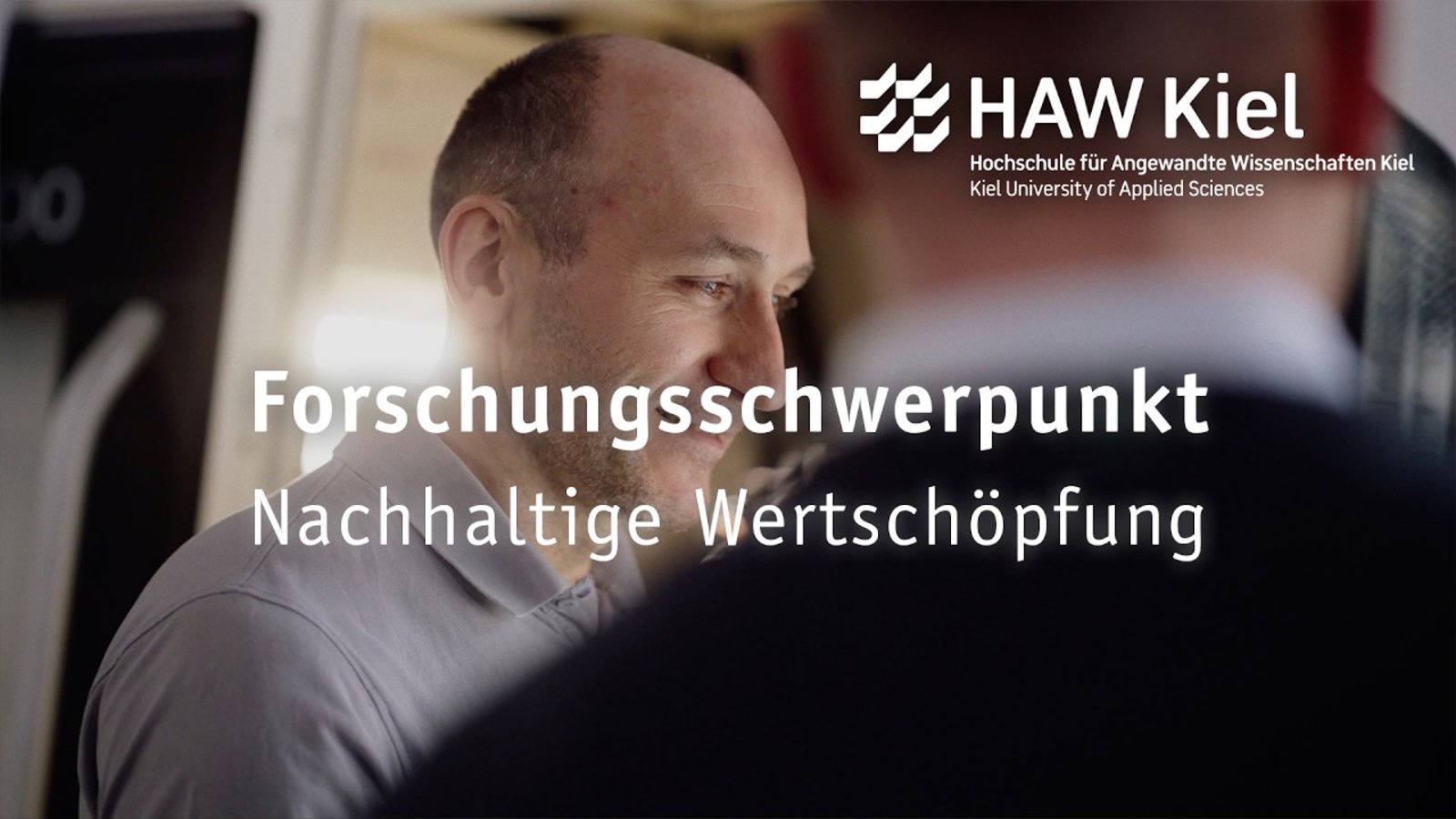
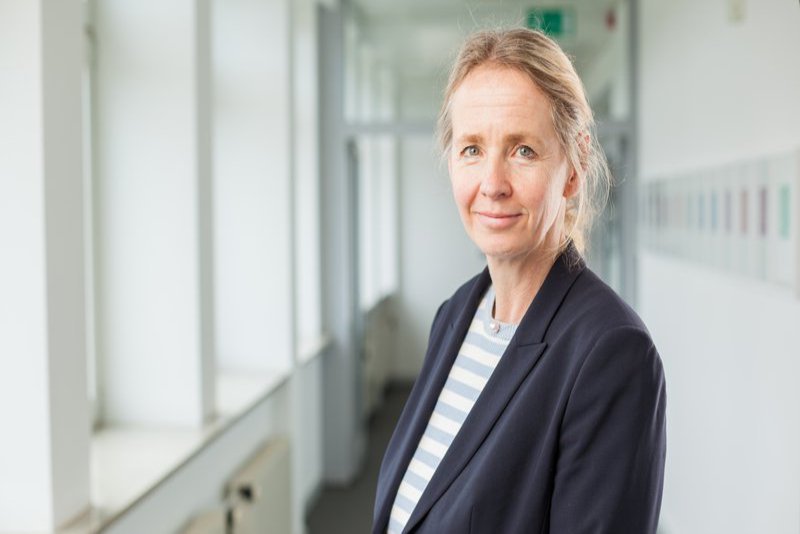
Prof. Dr. Ute Vanini teaches Controlling and Corporate Management at the Department of Buisness. Together with Prof. Dr. Holger Thiele from the Department of Agricultural Economics, she has been the spokesperson for the research focus "Sustainable Value Creation" for over a year and a half. In an interview with Lena Soumpasis, she talks about what this means, what challenges there are and where things sometimes go wrong. Published on 25.11.2024
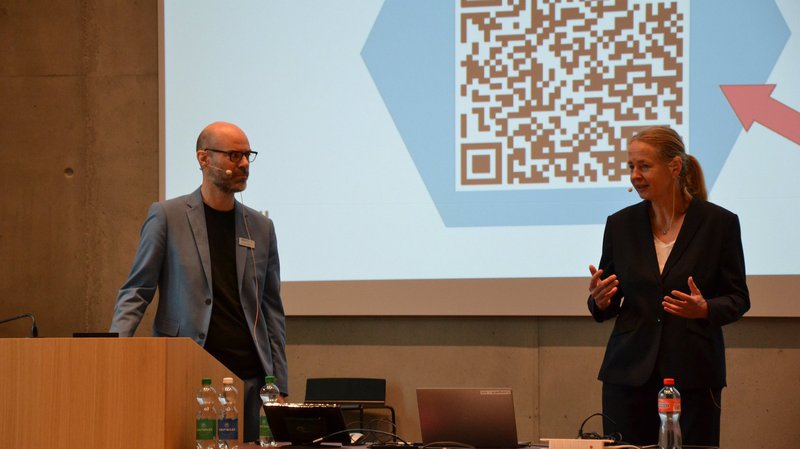
After a brief post-corona breather, key risk indicators are pointing to the next (permanent) crisis for companies. The proportion of crisis-resistant companies in Germany is low, especially in comparison to Switzerland. Possible causes could lie both in stronger inflation and in a delayed adjustment of companies' cost structures. These are the findings of a study by Lucerne University of Applied Sciences and Arts and HAW Kiel. Prof. Dr. Stefan Hunziker (Lucerne University of Applied Sciences and Arts) and Prof. Dr. Ute Vanini have been investigating the crisis resilience of companies in the DACH region for several years. Article published on 13.11.2024
Selected expertise from HAW Kiel
- Competitive and resource-efficient production systems and supply chains
- Automation technology / robotics / digital planning and production / Industry 4.0
- Nutrition and food safety
- Sustainable corporate accounting and taxation
- sustainable corporate culture
- sustainable mobility
- Agriculture 4.0
- Civil engineering
- Sustainability communication
- profitability analyses
- Resource-conserving construction / BIM
Focus-relevant infrastructures at the HAW Kiel
- CIMTT / Digital Factory
- SME Digital Center Schleswig-Holstein
- Agricultural chemistry laboratory
- Agricultural test field