MAKE


Brief Description
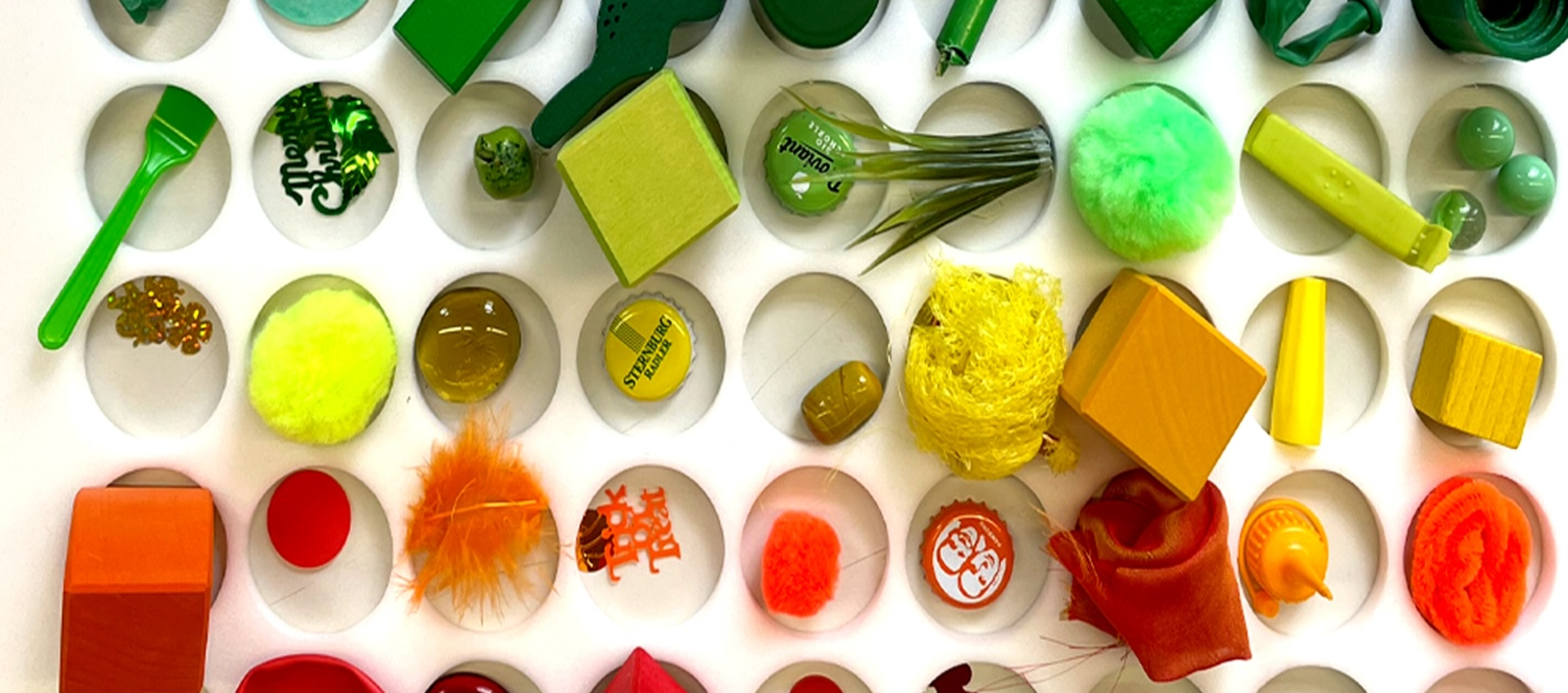
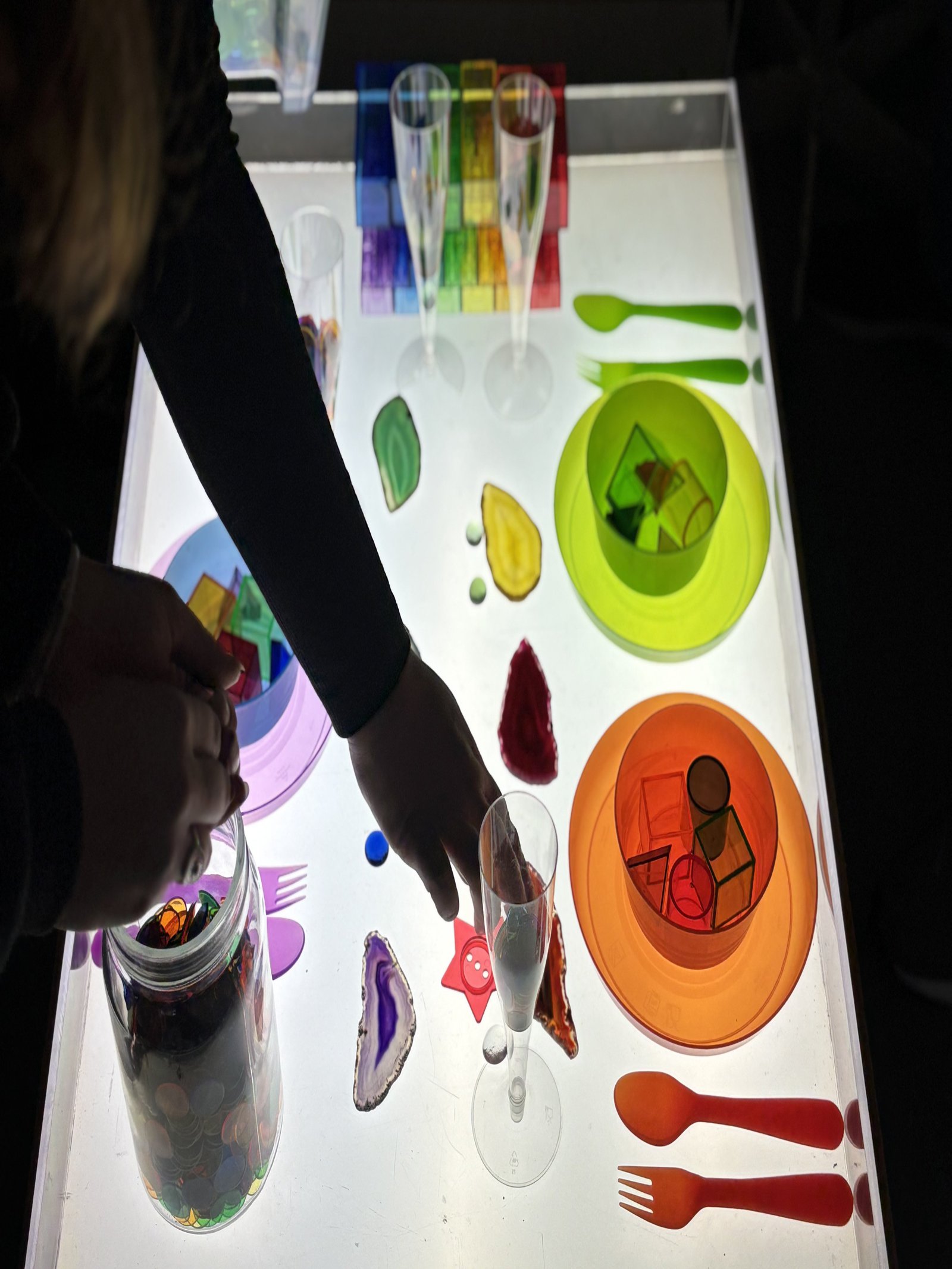
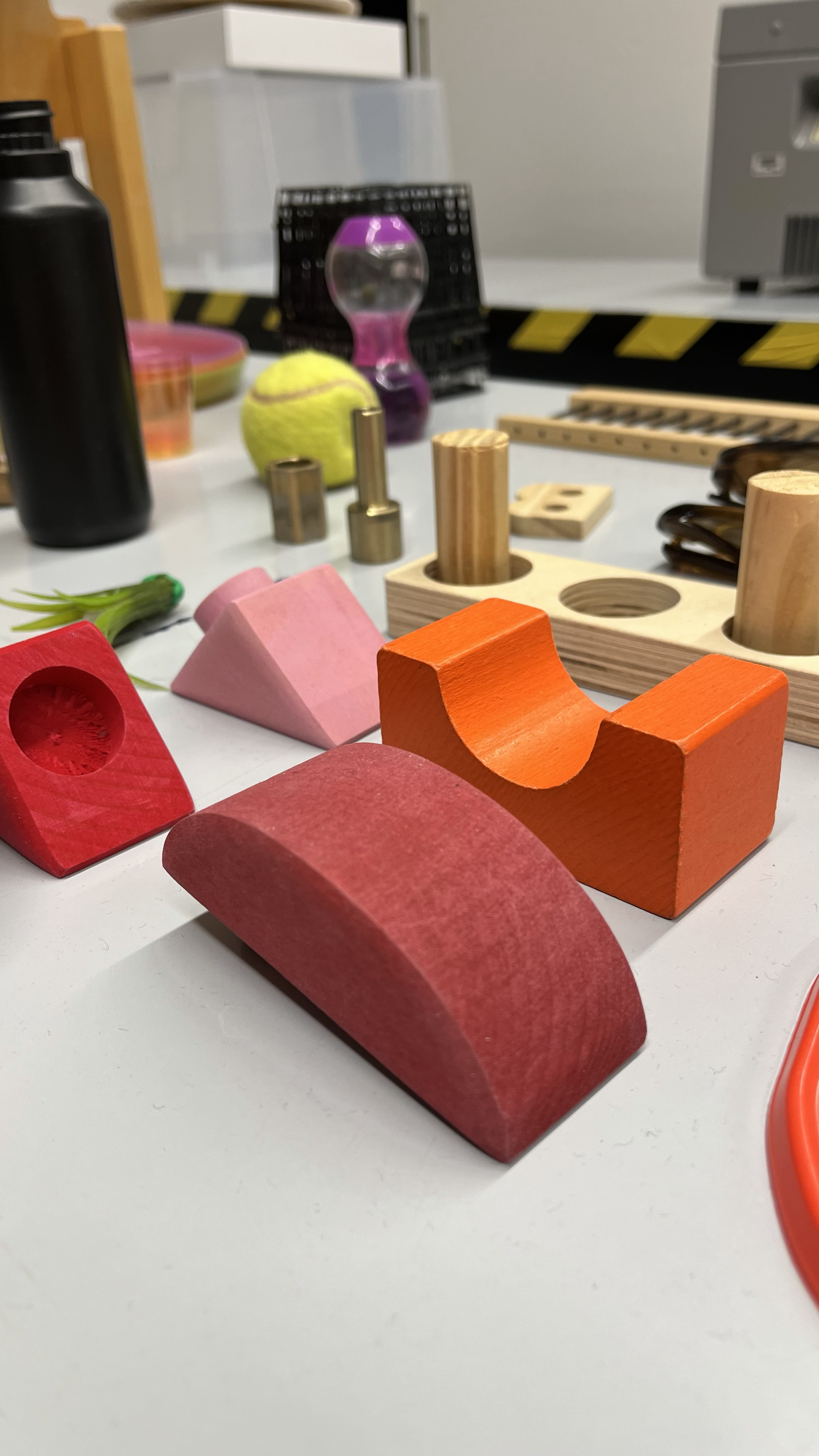
The inter-university MAKE project combines design and early childhood education with the goal of developing innovative learning materials for children. The focus is on “material buffets” and “learning trays” that combine aesthetic quality with educational value—thereby opening up new learning spaces.
Participants include HAWK Hildesheim (Prof. Junge, Design, and Prof. Dr. Kaiser, Early Childhood Education) and HAW Kiel (Prof. Dr. Hormann, Early Childhood Education). Students from the fields of design, early childhood education (ages 0–6), and elementary education (ages 6–12) contribute their diverse perspectives to the development process. Creative practice and scientific research complement one another, leading to sustainable educational resources.
The project is funded by the Foundation for Innovation in Higher Education as part of the Freiraum 2026 program; it will run from April 2026 to March 2028.
Background
Material buffets and learning trays are well-established tools in early childhood and elementary education settings for promoting discovery-based learning. At the same time, there remains a need for systematically developed and empirically tested concepts that focus equally on design quality and pedagogical effectiveness. This is where MAKE comes in: The project brings together design and educational perspectives and creates a cross-university, interdisciplinary teaching and research environment in which innovative approaches to material design are developed, tested, and scientifically investigated.
Project Objectives
MAKE is developing an interactive teaching concept that actively involves students in design and early childhood education throughout all phases of the project. The goal is to create sustainable educational resources that are tested in practice at daycare centers and elementary schools and evaluated for their pedagogical effectiveness and aesthetic appeal. The project generates new insights into the integration of design and education, develops durable learning materials, and promotes discovery-based learning.
A particular focus is placed on reflecting on one’s own perspectives and engaging in an inquiry-based exploration of educational situations. Students are encouraged to analyze these situations in a nuanced way and to derive creative and didactic solutions from them. This fosters key future skills such as critical thinking, interdisciplinary work, and practice-oriented problem-solving.
Methodology and Procedure
The Maker Space provides the physical and methodological infrastructure. In the Maker Space, students work in interdisciplinary teams using methods such as design thinking, the Odyssey Framework, and prototyping. They develop innovative concepts for learning buffets, going through the entire cycle from conception to evaluation. Peer review sessions incorporate constructive feedback from various disciplines. In cooperation with local educational institutions, the prototypes are tested on-site. The project team uses empirical methods such as observation and interviews to document how children interact with the materials. The insights gained are incorporated iteratively into the further development of the project. Qualitative data collection allows for conclusions to be drawn regarding pedagogical effectiveness and aesthetic appeal.
Contacts
Project Leaders:
Prof. Dr. Kathrin Hormann (HAW Kiel)
Prof. Dr. Lena S. Kaiser (HAWK)
Prof. Franziska Junge (HAWK)
Research Associates: